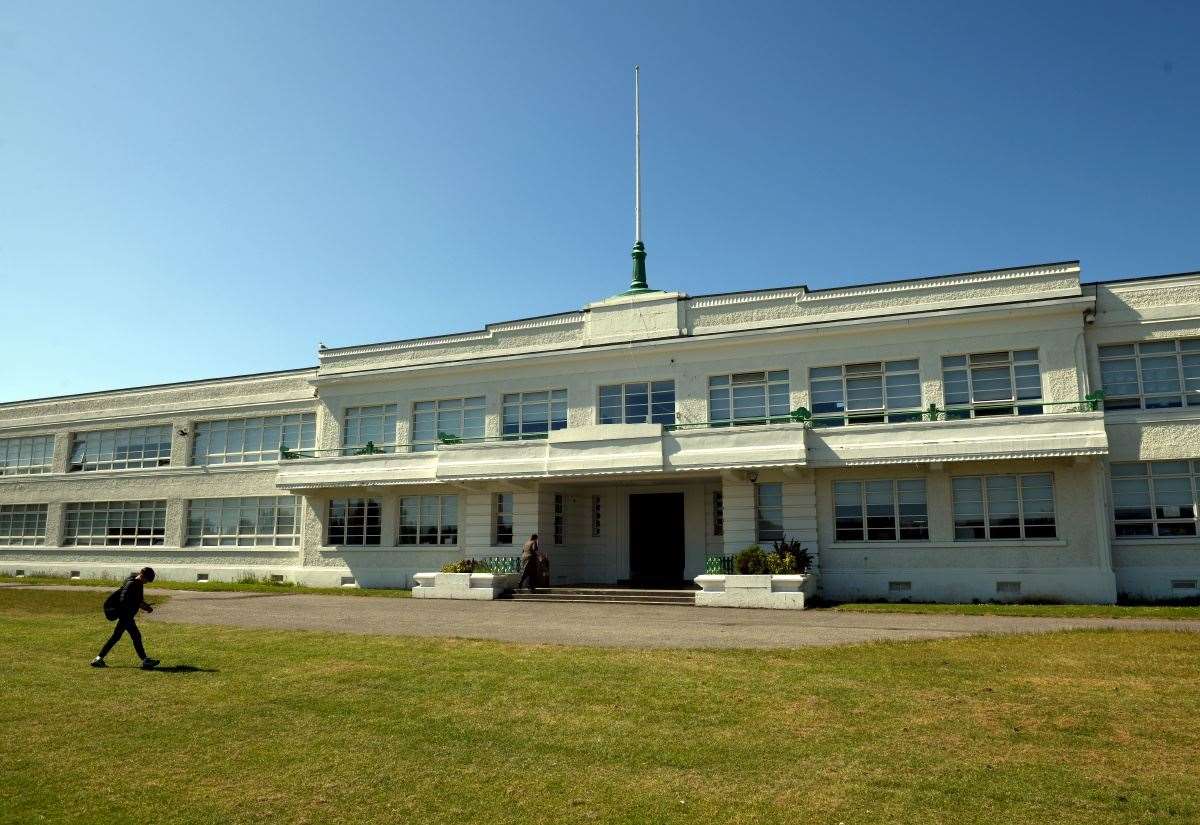
The University of Wolverhampton is set to transform the former headquarters of the Springfield Brewery into a new engineering centre, following its plans to close the Telford campus in August 2024. The university has submitted official proposals to Wolverhampton Council to convert the historic building, known as Block A, into a state-of-the-art facility aimed at enhancing its engineering programs.
This move is part of a broader restructuring initiative that has sparked considerable debate within the community. The closure of the Telford campus is expected to take effect next year, leading to concerns about the impact on local education and employment. The recent closure of the university’s sports centre at the Wolverhampton campus, which occurred in August as part of plans for a new medical school, has further fueled discussions about the university’s direction.
Renovation Plans for Historic Site
The proposed engineering centre will involve significant renovations to the 19th-century administrative headquarters of the brewery. The university aims to preserve the historic integrity of Block A while demolishing a less sympathetic extension built in the 1940s. This replacement will feature a larger, modern workshop designed to support cutting-edge engineering education and research.
Community responses have varied, with some residents expressing support for the renovations, citing the importance of maintaining local heritage. Others remain concerned about the implications of closing the Telford campus and the potential loss of educational opportunities in the area.
In a separate development, plans to demolish the iconic School of Art building located at the corner of Stafford Street and Ring Road St Peter’s have been halted. The building recently received Grade II Listed status, protecting it from demolition. This decision has been met with relief from preservationists and those who value the architectural history of Wolverhampton.
As the university moves forward with its plans, it will be essential to monitor the community’s response and the impact on students and faculty members. The proposed engineering centre represents a significant investment in the university’s future, but it also raises questions about accessibility and support for those in the Telford area who will be affected by the campus closure.
Overall, the transition towards the new engineering centre at the former brewery headquarters marks a pivotal moment for the University of Wolverhampton, as it seeks to adapt to changing educational needs while preserving its historical legacy.