The UK’s examination regulator, Ofqual, is currently engaging in a consultation regarding the potential integration of computers into some General Certificate of Secondary Education (GCSE) and A-level examinations. This discussion comes as educational institutions seek to adapt to modern technological advancements and changing student needs.
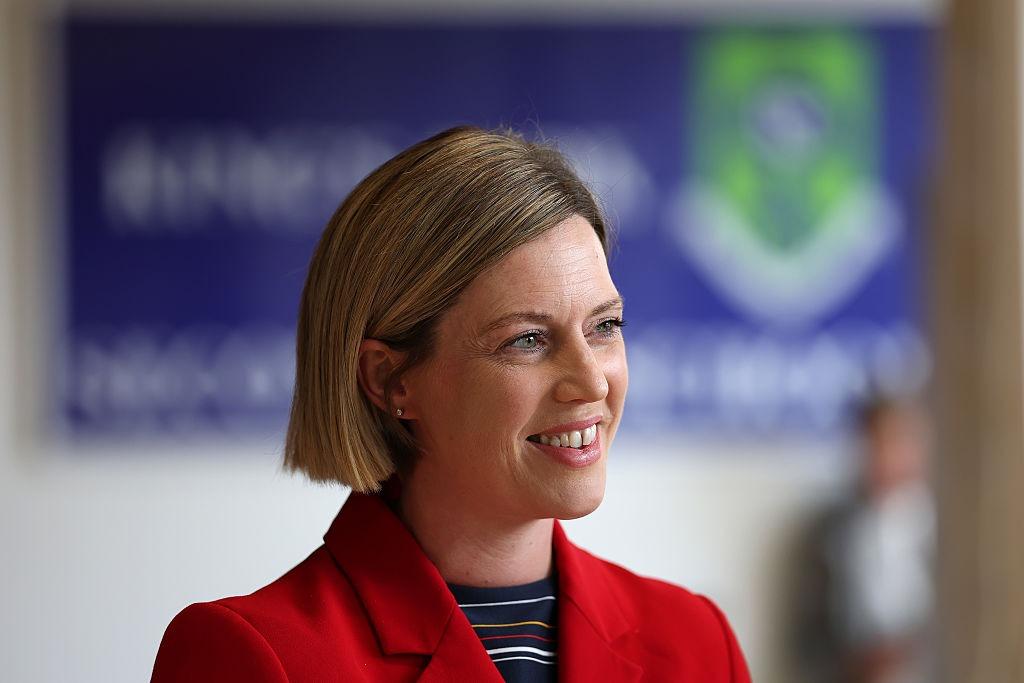
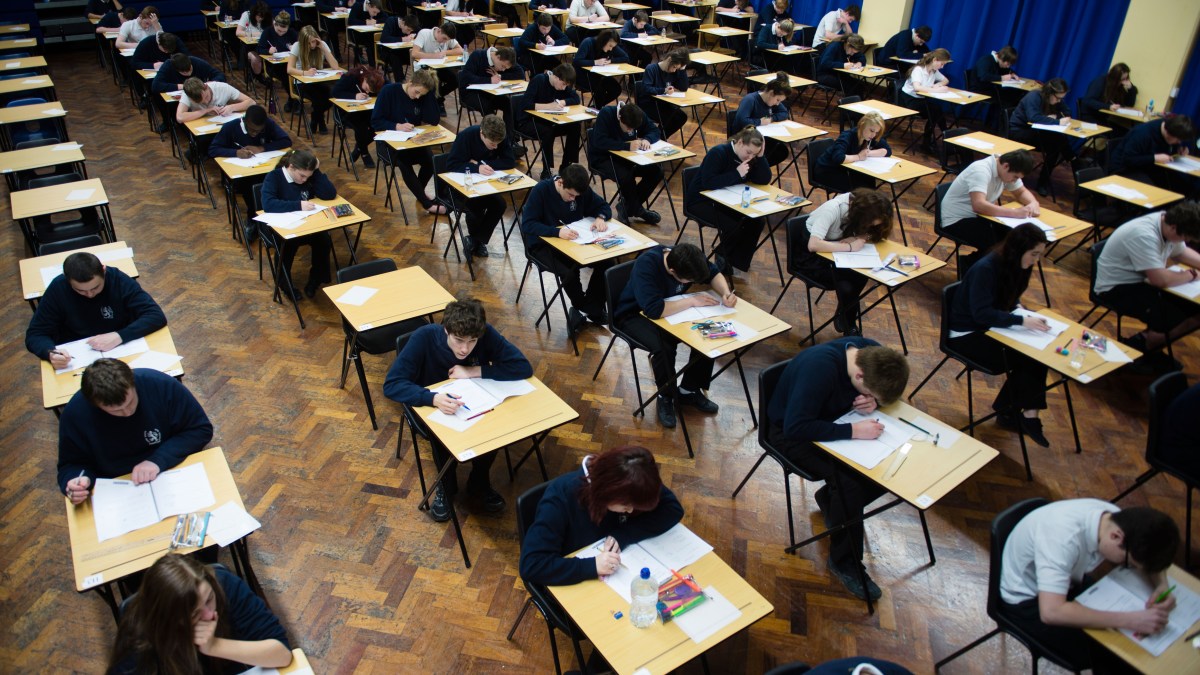
In a statement reflecting on the consultation, Dr. Jo Saxton, Chief Regulator of Ofqual, emphasized the enduring value of traditional pen-and-paper assessments. She remarked that handwritten exams are considered the “purest” form of evaluation, suggesting they offer a level of authenticity and integrity that digital formats may not replicate.
As of now, Ofqual is exploring the implications of allowing electronic devices in examinations, which could fundamentally alter how students demonstrate their knowledge and skills. The consultations have not gone unnoticed, sparking a variety of opinions across the educational landscape. Some advocate for a shift towards technology, arguing it mirrors the realities of contemporary work environments where digital literacy is crucial.
The current examination system has faced scrutiny, particularly in light of the challenges posed by the COVID-19 pandemic. Many students have had to adapt to online learning, raising questions about the efficacy and relevance of traditional exam formats. Ofqual’s exploration into this area aims to assess whether incorporating computers could enhance accessibility and fairness in assessments.
Despite the push for modernization, Dr. Saxton reiterated that the traditional method of handwriting exams remains significant for several reasons. She noted that it fosters a deeper connection between the student’s thoughts and their written expression, which can be lost when using a keyboard. Handwritten exams are also seen as a way to mitigate issues related to digital distractions and technical failures during assessments.
The consultation is set to gather insights from educators, students, and stakeholders, with the aim of making informed decisions about the future of examination practices in England. The outcomes of this process will likely influence the educational framework as it evolves in response to technological advancements while balancing the preservation of traditional assessment methods.
As the discussion unfolds, educators and students alike will be watching closely to see how Ofqual navigates the balance between embracing change and maintaining the integrity of assessments that have stood the test of time. The deadline for feedback on the consultation is expected to be in early 2024, marking a pivotal moment for the future of exams in the UK education system.