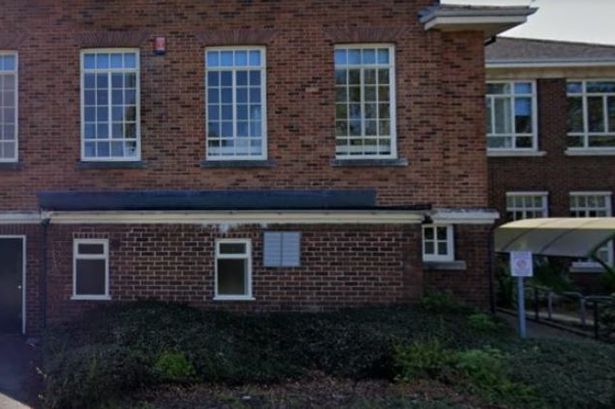
Heating issues continue to plague Dundonald High School in Co Down, one year after a critical inspection report identified significant health and safety concerns. According to a concerned parent, the Education Authority is not adequately addressing the ongoing problems with the school’s infrastructure, which include inadequate heating and leaking roofs.
In December 2024, a report highlighted that only one functioning boiler was operational out of five, leaving many parts of the school without heat. The situation has deteriorated further, prompting the school to send younger students home to work remotely due to ongoing heating disruptions. The parent, who spoke to Belfast Live, expressed frustration, stating that the Education Authority seems to be merely “plastering over” the issues rather than implementing lasting solutions.
The parent noted that while the school has made efforts to manage the situation, the root of the problem lies with the Education Authority. “There was a similar situation at the school last year,” she said. “The next thing the Education Authority put in new boiler houses. They were new to the school, but definitely far from new, and the same set of boiler houses have now broken.”
Dundonald High School has faced ongoing challenges with its heating systems, which are described as outdated and prone to failures. The parent acknowledged the financial constraints faced by the Education Authority but emphasized the dire need for adequate resources to ensure a safe learning environment. “For this to be happening in this day and age is crazy,” she added, highlighting the absence of warm water on most days.
In response to the heating crisis, the Education Authority stated that the repairs required are extensive and are being prioritized. They expressed concern over the backlog of school repairs across Northern Ireland, attributing the delays to budget constraints that limit their ability to address these issues. “This is unfortunately the latest example of children’s education being disrupted due to deterioration in the school estate,” a spokesperson for the Education Authority commented.
On December 9, the school communicated with parents, informing them of the leaks that have caused significant heating issues. The authority provided temporary electric heaters, which inadvertently disrupted the electricity supply. As a result, the school decided to move Year 8, 9, and 10 students to remote learning while older students in Year 11 and 12 were accommodated in heated classrooms.
The communication to parents indicated that the repair work required is more extensive than initially anticipated, with no heating available in blocks B and C for the foreseeable future. “These year groups are our priority because every lesson counts in the lead-up to their exams and controlled assessments,” the school stated.
The inspection report released in January 2025 by the Education and Training Inspectorate highlighted not only the heating problems but also additional issues, including non-functional toilet blocks and leaking roofs. The report noted that these conditions negatively impact students’ ability to attend classes promptly.
The parent raised concerns about the lack of action from the Education Authority, questioning whether they would respond if families were unable to provide adequate heat for their children. “The Education Authority has no concern for the staff, or the children who are trying to get an education,” she stated.
The Education Authority reiterated its commitment to addressing the heating crisis at Dundonald High School while acknowledging the broader challenges of maintaining school facilities across the region. “Without significantly increased levels of funding, school buildings will continue to decline, increasing the potential for further disruption to classes,” they concluded.
As the situation develops, parents and staff at Dundonald High School remain hopeful for a resolution that ensures a safe and conducive learning environment for all students.