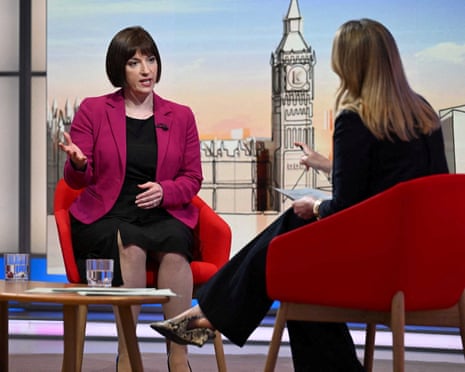
In her first week as a cabinet minister, Bridget Phillipson convened a meeting focused on special educational needs (SEN), drawing nearly 100 Labour MPs. Many attendees had personal stakes in the issue, while others, including Jonathan Reynolds, had previous experience in charities and unions, highlighting the urgent need for reform. After the July 2024 meeting, Phillipson recognized that addressing SEN would be her most significant challenge in office.
The backdrop of her appointment includes the memory of the welfare vote, where support among MPs collapsed. Insiders suggest that the real lesson for Phillipson came from the backlash against her initial legislation, the children’s wellbeing and schools bill. This bill faced scrutiny from the right-leaning press and confusion among Labour MPs, as the rationale for its changes, particularly regarding academy trusts, was not well communicated. Although Phillipson survived this storm, her team emerged from the experience with a clear understanding of the need for effective communication regarding the scale of the problems and the arguments for change.
The current climate around SEN reform is fraught with skepticism. In contrast to the welfare reforms, which were perceived as a budgetary measure without a moral argument, Phillipson is attempting to present a compelling case for why changes are necessary. During a spring statement led by Liz Kendall, MPs were shown graphs and charts demonstrating the financial pressures related to inactivity and the rising costs of personal independence payments. This approach highlighted the necessity of upfront investment to restore confidence among concerned MPs.
A departmental source emphasized that there is no target for reducing Education, Health and Care Plans (EHCPs), stating, “This should primarily be about reforming the system to improve it.” Even those within the Parliamentary Labour Party who are typically skeptical have reported feeling that their concerns have been acknowledged. Phillipson has engaged with various factions, including the Socialist Campaign group led by John McDonnell and the influential Tribune group, many of whom opposed recent welfare cuts.
New schools minister Georgia Gould has actively engaged with over 8,000 individuals as part of a broader initiative aimed at soliciting input from parents and special needs charities. While there is currently a degree of goodwill from the parliamentary party towards the proposed reforms, doubts remain about their ultimate success.
The potential for failure looms large. It took considerable time for uncertainty to surface among MPs who initially supported welfare changes, and Phillipson is acutely aware that trust is in short supply. Many parents face losing a defined legal route to advocate for their children’s needs, relying instead on the promise of improved provisions without the need for a struggle. Previous experiences have bred skepticism, and concerns persist regarding whether schools will adequately train teachers in SEN or effectively recruit necessary specialists.
As discussions continue, the apprehension among parents regarding their ability to appeal to schools and local authorities remains palpable. Many worry that these institutions may not treat them fairly, leading to a lingering sense of mistrust. The success of Phillipson’s reforms will hinge on her ability to persuade both parents and MPs that a better system is achievable, navigating a complex political landscape that demands more than just optimism.