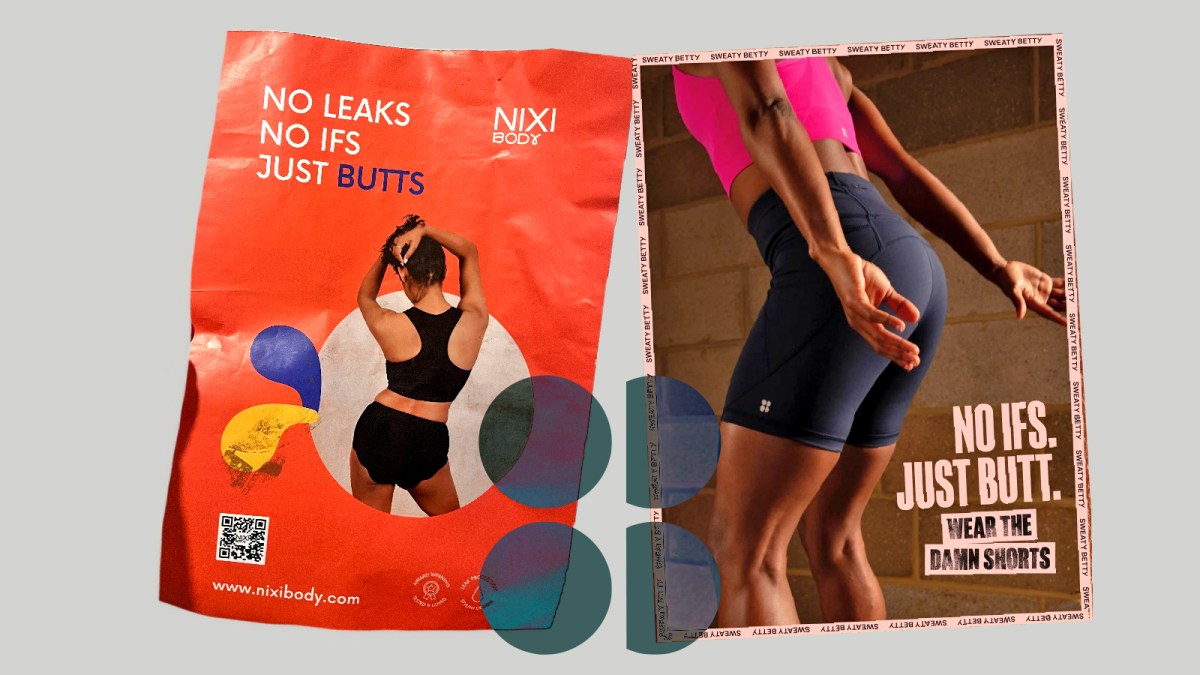
Sweaty Betty, a prominent women’s sportswear brand, is facing renewed allegations of using advertising slogans without proper attribution. Just a month after a fitness coach claimed that the company appropriated her taglines, another brand has come forward with similar accusations.
The allegations first surfaced in June 2023 when a fitness coach accused Sweaty Betty of using her original slogans in marketing campaigns without providing credit. This claim sparked discussions within the industry about intellectual property rights and ethical advertising practices.
In July 2023, a second brand, which has not been publicly identified, voiced similar concerns. This new allegation raises questions about the company’s advertising strategies and whether it has a pattern of utilizing other creators’ work without permission.
Industry Reactions and Implications
The claims have drawn attention from both consumers and industry experts. Many are advocating for greater transparency in advertising, especially in a market where originality is highly valued. The situation has prompted discussions about the need for brands to ensure that their marketing campaigns reflect ethical standards.
While Sweaty Betty has not publicly responded to the latest allegations, the brand’s previous marketing practices have come under scrutiny. Critics argue that using uncredited taglines not only undermines the original creators but also damages a brand’s reputation.
Legal experts suggest that these claims could have significant implications for Sweaty Betty. If the allegations are proven true, the brand could face legal repercussions, including potential financial penalties. More importantly, the fallout could affect consumer trust and loyalty, which are vital for long-term success in the competitive sportswear market.
Broader Context of Intellectual Property in Advertising
The issues surrounding slogan appropriation reflect a larger conversation about intellectual property rights in the advertising industry. As brands increasingly seek to differentiate themselves in a crowded market, the line between inspiration and infringement can become blurred.
In recent years, there has been a push for clearer guidelines regarding the use of slogans and taglines. Some industry leaders advocate for more stringent regulations to protect creators and maintain a fair marketplace.
As the situation unfolds, it remains to be seen how Sweaty Betty will address these allegations. The outcome may not only impact the brand but also set a precedent for how advertising ethics are approached in the future.
For now, consumers and industry insiders alike will be watching closely, as the implications of these claims could resonate throughout the entire sector.