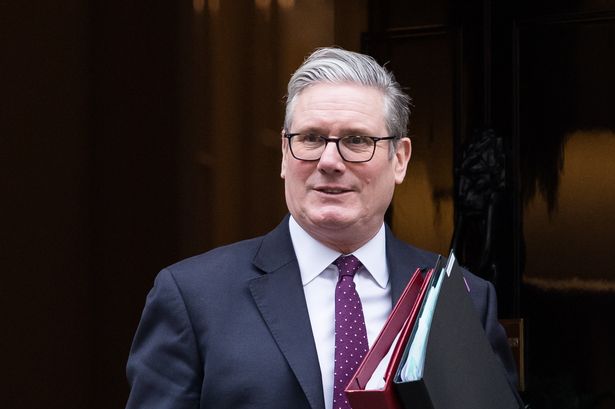
Sir Keir Starmer has committed to improving the lives of people across Britain as the country continues to grapple with a significant cost of living crisis. In a new year address aimed at voters, he will place the issue at the forefront of his administration’s agenda, promising tangible changes by 2026. Starmer is set to highlight key policies such as a freeze on rail fares and fuel duty during a series of public engagements in the coming days.
As Members of Parliament return to Westminster following the Christmas break, Starmer will stress to his ministers that there can be “no let-up” in efforts to alleviate the financial pressures facing families. This initiative follows a challenging year for the Labour Government, marred by political controversies, leadership changes, and sluggish economic growth.
The Government’s recent Budget decision to prolong a freeze on income tax thresholds means millions may be pushed into paying higher rates. The autumn statement indicated an overall tax increase of £26 billion, which the Government described as “fair and necessary” to combat the cost of living crisis and enhance public services.
Starmer acknowledged the struggles many Britons face, stating that life remains “harder than it should be.” He assured families that they would soon experience “a sense of hope.” Speaking at an event on January 5, 2026, he declared, “This Labour Government is on your side, doing everything we can to ease the cost of living – and make life better.”
He detailed initiatives aimed at reducing household expenses, such as cutting energy bills by £150, increasing the national living wage, and implementing the first rail fare freeze in three decades. Starmer emphasized that these changes would enable families to feel the impact of these policies daily, stating, “Britain is turning the corner and 2026 is the year more people will feel renewal becoming reality.”
During the first Cabinet meeting of 2026 on January 6, Starmer will reiterate his commitment to addressing the cost of living challenge, saying, “I know families across the country are still worried about the cost of living. There will be no let-up in our fight to make life better for them.”
In response, Conservative leader Kemi Badenoch criticized Starmer’s approach, claiming he “expects gratitude” despite decisions that have exacerbated the cost of living crisis. She noted, “The jobs tax pushed inflation to double where we left it, and their net zero rush means energy bills are up over £300.” Badenoch asserted that working people are burdened with higher taxes to support increased welfare, stating, “Labour have no plan to fix Britain, and working families are paying the price. Only the Conservatives have the backbone to cut spending, cut taxes, and get Britain working again.”
As the political landscape continues to evolve, the effectiveness of Starmer’s promises and the Labour Government’s strategies will be closely monitored by both supporters and critics alike.