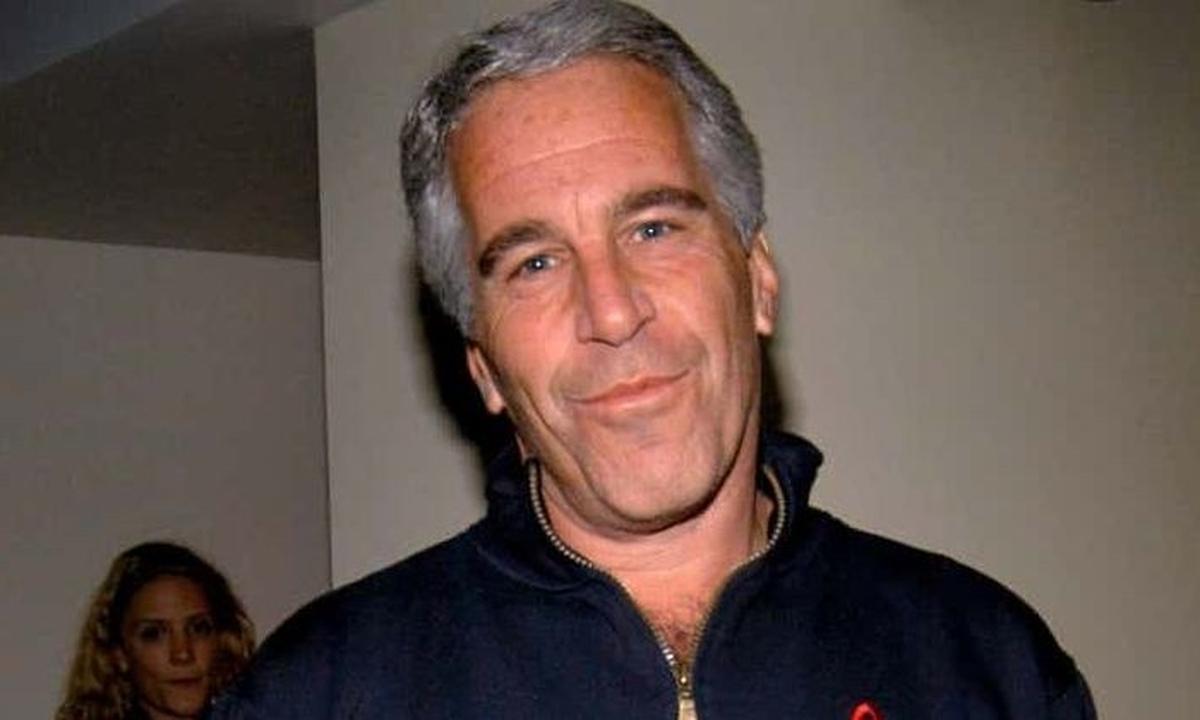
The release of thousands of court documents has revealed surprising connections between the late financier Jeffrey Epstein and the early development of Bitcoin. These documents, which include emails and legal filings, suggest that Epstein was not merely an observer of the burgeoning cryptocurrency sector but an active participant. His involvement raises significant questions about the influence he wielded during Bitcoin’s formative years.
In 2014, Epstein made a notable investment of approximately £2.4 million ($3 million) in Coinbase, a prominent cryptocurrency exchange. At that time, Coinbase was valued at around £315 million ($400 million). By 2018, Epstein reportedly sold half of his stake for £11.8 million ($15 million), capitalizing on the company’s meteoric rise in value. Notably, individuals at Coinbase were aware of his involvement despite his 2008 sex offense conviction.
Epstein’s financial engagements extended beyond Coinbase. The documents indicate that he held a stake in Blockstream, a significant player in blockchain technology founded by Adam Back. This connection further underscores Epstein’s financial influence within the cryptocurrency infrastructure.
Meetings with Key Figures
The documents also outline private meetings hosted by Epstein at his Manhattan townhouse, where discussions about the future of digital currency took place. One noteworthy gathering featured Brock Pierce, a crypto entrepreneur, and Larry Summers, former U.S. Treasury Secretary. During this meeting, Pierce introduced himself to Summers as the “most active investor in Bitcoin.” These interactions illustrate Epstein’s role as a bridge between the unregulated world of cryptocurrency and established figures in traditional finance.
Epstein’s activities suggest a strategic approach to cryptocurrency, akin to that of a corporate lobbyist. He appeared to understand the legal complexities surrounding digital assets, even consulting Steve Bannon about cryptocurrency tax implications. This indicates that Epstein may have aimed to facilitate the mainstream acceptance of these assets.
Links to CIA and Satoshi Nakamoto
Another intriguing aspect of the documents involves Gavin Andresen, one of Bitcoin’s original developers. Emails reveal that Epstein was in contact with Andresen just days before the developer visited the CIA headquarters in June 2011. This timing coincides with the mysterious disappearance of Satoshi Nakamoto, the pseudonymous creator of Bitcoin, who ceased communication shortly after Andresen’s meeting with intelligence officials.
Although there is no conclusive evidence to prove Epstein’s identity as Nakamoto, his connections to various cryptographers and his interest in the mathematics behind cryptocurrency suggest a more profound involvement than previously understood. Epstein also funded research through institutions like the MIT Media Lab, reinforcing the notion that his influence in the tech community was substantial.
The newly released documents have ignited renewed speculation regarding Epstein’s potential role in the development of Bitcoin and the broader cryptocurrency landscape. As investigations continue, the implications of these revelations could reshape our understanding of the intersection between finance, technology, and regulatory frameworks in the digital age.