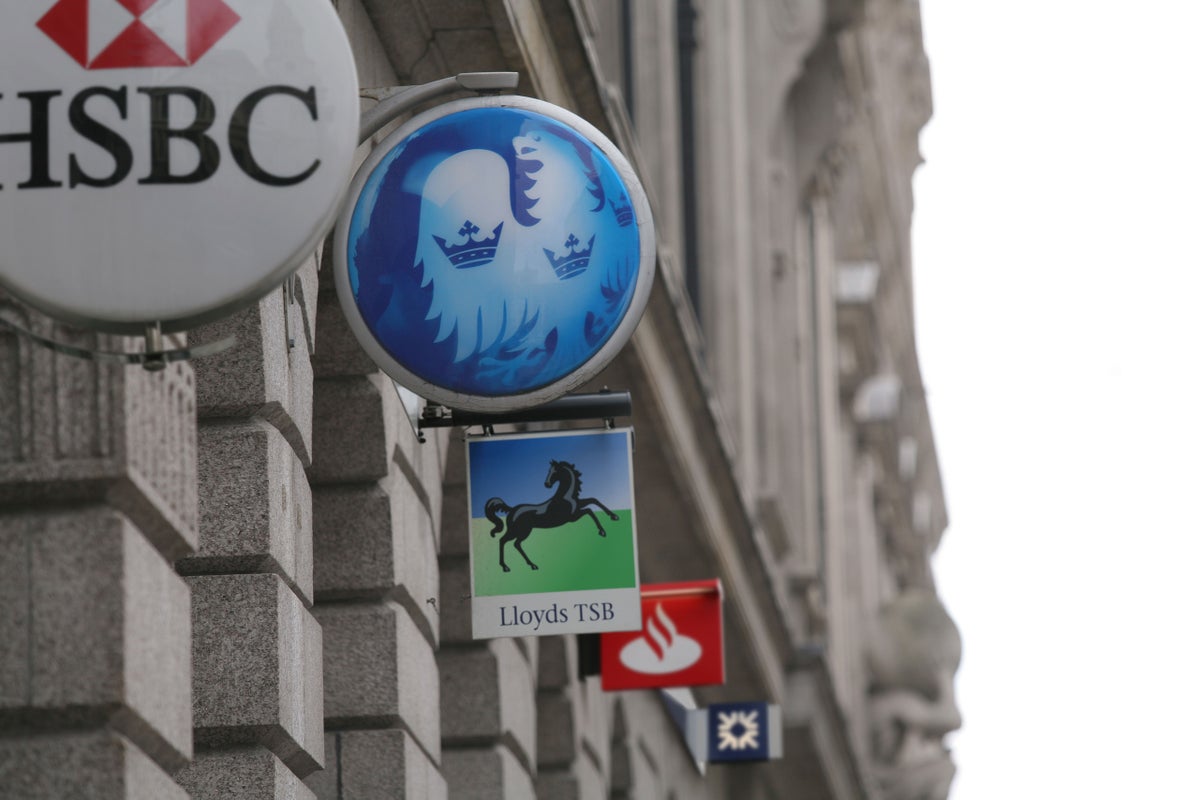
Many consumers in the UK are potentially losing significant sums by remaining loyal to the same bank for decades. According to a survey conducted by Which? Money, nearly four in 10 individuals have not changed their current account provider in over 20 years. This loyalty persists despite a competitive banking market offering better deals and services.
Financial experts emphasize that not all bank accounts are created equal. Consumers often believe there is little distinction between offerings, but Sam Richardson, deputy editor of Which? Money, argues otherwise. He notes that a detailed analysis of current account options reveals substantial variations in fees, overdraft charges, and customer satisfaction.
Richardson states, “At first glance, a current account seems like the most basic banking product available… However, we found huge disparities between the best and worst performers, not just in account features but customer service, too.” He encourages consumers to compare banking products with the same diligence they apply to other purchases, such as car insurance or mobile plans.
Peter Tyler, director of personal finance at UK Finance, supports this view, highlighting the dynamic nature of the UK current account market. He points out that the Current Account Switch Service (CASS) simplifies the process of changing accounts, ensuring a smooth transition for customers. “CASS has made it a lot easier for customers to switch current accounts securely and with confidence,” Tyler adds.
When evaluating banking options, Tyler recommends considering factors such as branch accessibility, customer service ratings, and the availability of benefits like cashback rewards and discounts. Additionally, lower overdraft fees and competitive interest rates on savings accounts are critical elements to assess.
The Competition and Markets Authority (CMA) regularly publishes data comparing service levels among banks, based on independent surveys of thousands of customers across Great Britain and Northern Ireland. This information can guide consumers in choosing a bank that best fits their needs.
Once a suitable account is identified, CASS facilitates the switch, typically completing the process within seven working days. All regular payments are automatically transferred, even for customers with existing overdrafts, provided arrangements are made with the new bank.
Richardson also notes the growing range of perks associated with free accounts, such as fee-free foreign spending, cashback, and tools to enhance savings. For those who prefer a physical presence, Nationwide is recommended as a solid option, having been recognized as the banking brand of the year by Which?. Meanwhile, digital banks like Starling, Monzo, Chase, and first direct are increasingly popular, especially among younger consumers who appreciate their user-friendly mobile applications.
For individuals who frequently travel abroad, digital banks often provide competitive currency exchange rates. Jasmine Birtles, founder of the personal finance website MoneyMagpie, suggests that accounts like those from Starling and Monzo offer quick setups and lower fees, making them appealing alternatives.
Birtles also highlights innovative options such as Tallymoney, which invests deposits in gold, offering a Mastercard that allows users to spend globally without incurring exchange rate fees. While there is a small monthly fee, the potential for gold appreciation makes this option increasingly attractive.
For those contemplating new accounts, Richardson recommends considering packaged bank accounts, which provide additional services such as travel insurance. However, he cautions that consumers should ensure they will actually benefit from these services and not duplicate existing coverage.
Timing a switch can also lead to cash incentives, as many banks run promotional offers periodically. Furthermore, savings accounts often suffer from neglect, especially after the Bank of England cut its base rate to 3.75% just before Christmas. Despite recent reductions in interest rates on instant access accounts, competitive options remain available.
Richardson concludes, “Leaving money sitting in a low-interest account can cost you hundreds, if not thousands, of pounds in the long term.” He emphasizes the importance of proactive management of finances to prevent money from losing value in real terms.