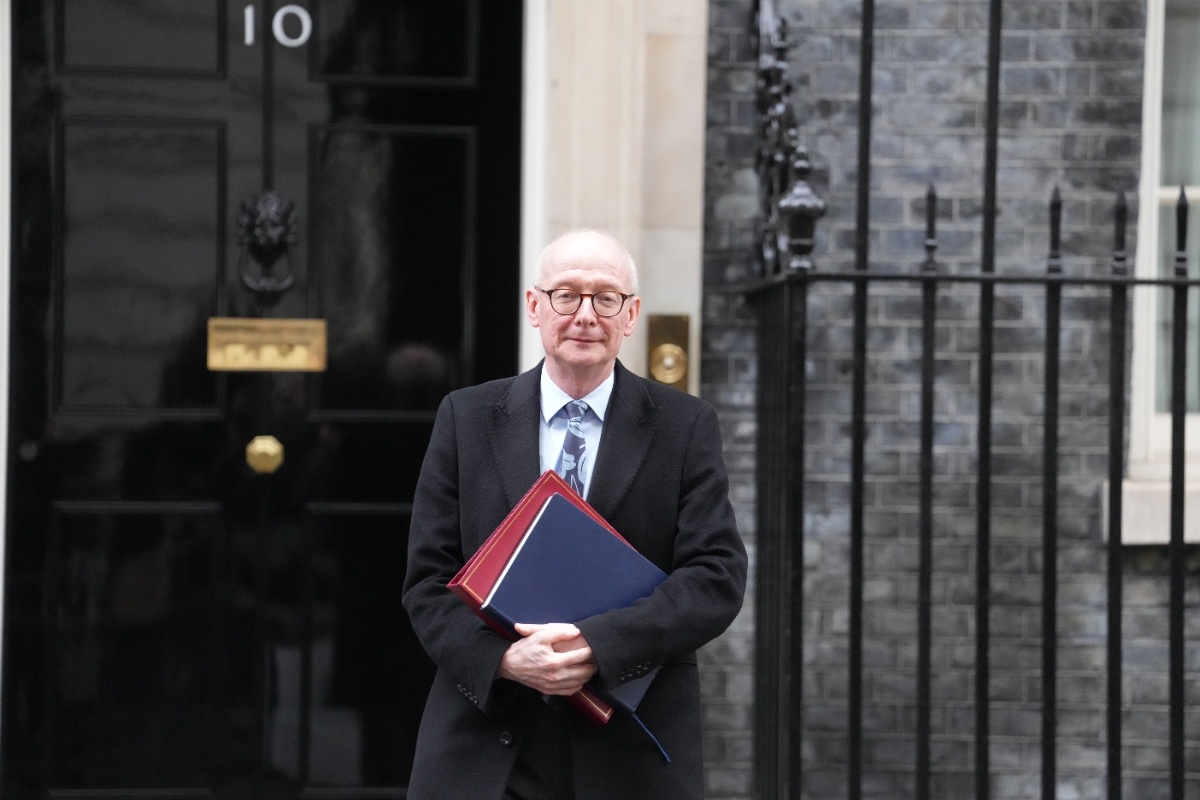
The Labour government has announced a new initiative to tackle youth unemployment by providing financial incentives for businesses to hire benefits claimants. According to reports, Pat McFadden, the Secretary of State for Work and Pensions, will introduce a £3,000 subsidy for employers who recruit young people who have been on Universal Credit for more than six months. This initiative aims to reduce the number of individuals under 25 who are not in education, employment, or training, commonly referred to as “Neets.”
McFadden is scheduled to outline additional support measures for small and medium-sized enterprises, focusing particularly on apprenticeships. The Labour government is also set to extend its youth job guarantee programme to include approximately 40,000 more individuals. The current structure of this initiative indicates that up to 350,000 training or workplace opportunities will be made available.
Addressing Rising Unemployment Rates
These announcements will take place in a speech in London on Monday and respond to mounting criticism regarding the soaring number of Neets, which is approaching 1 million. The unemployment rate has steadily increased since Labour assumed power, reaching 5.2% in the three months leading to December. This rise has been attributed to a combination of heightened redundancies and a slight uptick in the activity rate among job seekers.
Recruiters have expressed concerns that Labour’s tax policies and the recent increase in the minimum wage have contributed to challenges in the job market. The government’s decision to raise employers’ national insurance contributions by £25 billion has further strained hiring budgets. Concurrently, youth unemployment has surged to 16.1%, prompting fears that the increase in Neets could exacerbate pressures on public finances.
The Office for Budget Responsibility has already revised its welfare spending forecasts for the next five years in light of these developments. Labour hopes that reforms stemming from the Alan Milburn review on Neets and the Sir Stephen Timms review on disability benefits will alleviate some of the financial burdens, although these issues have become contentious within the party.
Future of Welfare Reforms
Ministers have been cautious in discussing potential savings from significant welfare reforms, particularly following a backbench rebellion last year over plans to cut around £5 billion from personal independence payments. In a speech delivered after the previous year’s budget, Sir Keir Starmer emphasized that welfare reform is fundamental to the government’s strategy for promoting economic growth.
As Labour prepares to roll out these new policies, the effectiveness of these measures in addressing youth unemployment and the broader economic implications will be closely scrutinized by various stakeholders. The government’s approach reflects a pressing need to support young individuals entering the workforce amidst an evolving economic landscape.