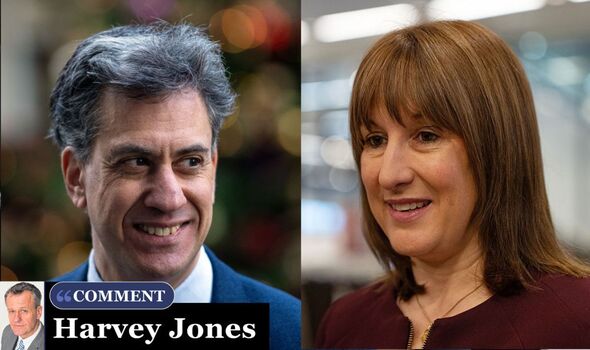
The Labour Party is engulfed in internal strife as Chancellor Rachel Reeves navigates a tumultuous political landscape following the government’s recent Budget announcement. The fallout has drawn attention away from other significant issues, including the actions of Ed Miliband, who faces criticism for his management of energy policies. The ongoing discord within Labour highlights the party’s struggles to maintain unity while addressing pressing national concerns.
Reeves delivered the Budget under duress from rebellious backbenchers, who celebrated their success in blocking welfare reforms. This pressure has led to four notable U-turns, particularly concerning the winter fuel payment, welfare reform, income tax, and the controversial two-child benefit cap. Tensions within the party were evident, with two teams responsible for drafting the Budget—one from Downing Street and another from the Treasury—clashing publicly.
Parliamentary Secretary for the Treasury, Torsten Bell, drew attention for his fiery remarks, which some colleagues found cringeworthy. The atmosphere within the Labour Party has become increasingly hostile, with prominent figures such as Andy Burnham, Wes Streeting, and Angela Rayner vying for influence while undermining Keir Starmer, the party leader.
While the Labour Party grapples with factionalism, the chaos surrounding Reeves has inadvertently benefitted Miliband. The media focus on the Budget has shifted attention away from Miliband’s energy policies, which have faced significant scrutiny. He is currently facing backlash for a spending spree that involves substantial investments in energy initiatives, including carbon capture technology that has yet to demonstrate effectiveness.
Miliband’s ambitious plans include billions allocated to energy quangos and controversial home heating solutions, alongside the ongoing financial commitment to the Sizewell C nuclear plant, which is projected to cost taxpayers tens of billions. His efforts to transition towards net-zero emissions have raised concerns about their practicality and economic impact.
A recent setback for Miliband occurred when oil giant BP cancelled its plans for the H2Teeside hydrogen plant, which was intended to power one million homes. The decision resulted from delays attributed to a rift between Miliband and Starmer, who has expressed interest in establishing Europe’s largest data centre. BP’s withdrawal signals a lack of confidence in the current administration, particularly as Miliband’s approach to energy policy continues to draw criticism.
As internal conflicts within the Labour Party escalate, Miliband may find temporary respite from scrutiny due to the prevailing focus on Reeves. However, the ongoing fallout from the Budget indicates that the party’s challenges are far from resolved. The disarray among Labour ranks serves as a reminder of the difficulties they face in presenting a united front while attempting to address the nation’s pressing issues.
In conclusion, while the public may find some amusement in the Labour Party’s internal battles, the implications for governance are serious. As the party struggles with unity and effective policy implementation, the future of its leadership and the direction of its energy strategy remain uncertain.