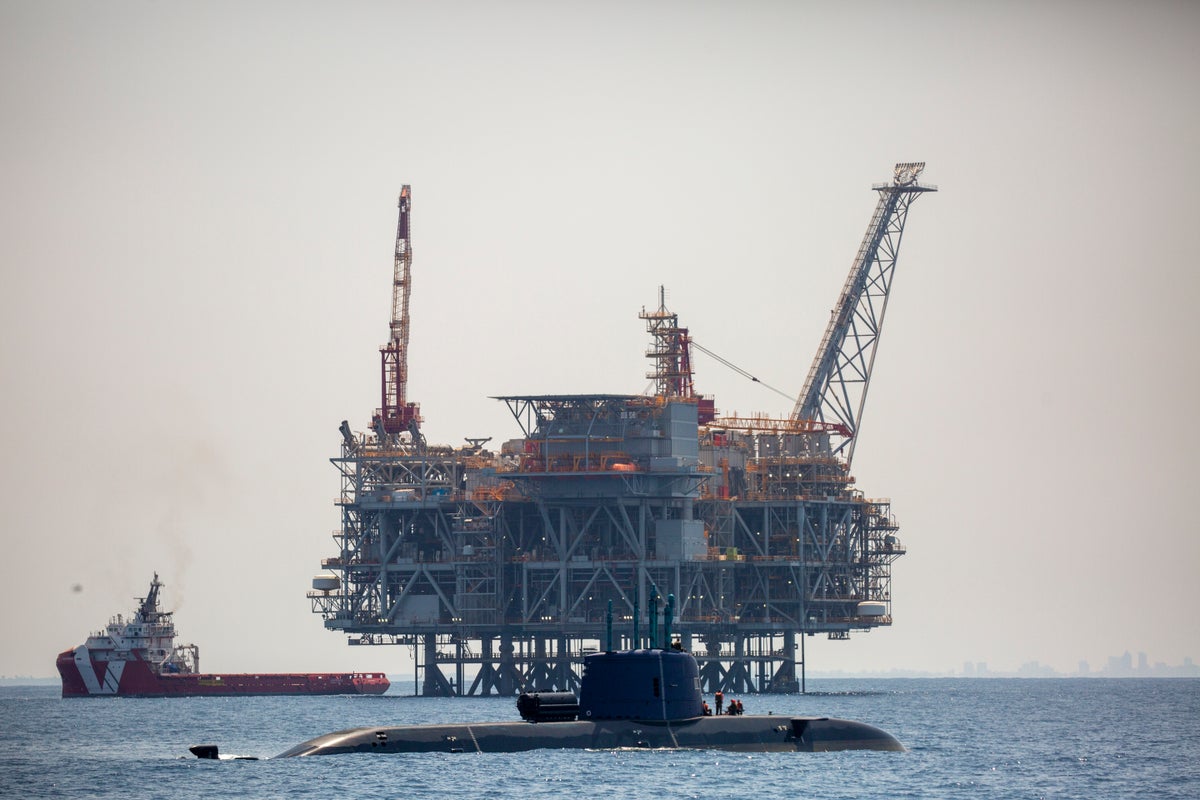
Israel has finalized its largest-ever natural gas deal, with Prime Minister Benjamin Netanyahu announcing on Wednesday an agreement to supply gas to Egypt. Valued at approximately $34.67 billion, this landmark export agreement was signed in August 2023 with Chevron and its partners, NewMed and Ratio.
The deal will facilitate gas exports from the Leviathan natural gas field, which holds substantial reserves. In a televised statement, Netanyahu highlighted the significance of this agreement, stating, “I have today approved the largest gas deal in Israel’s history. The deal is for 112 billion shekels ($34.67 billion).” He emphasized that this contract strengthens Israel’s position as a regional energy powerhouse and contributes to stability in the region.
Implications for Regional Energy Stability
This agreement is also poised to alleviate Egypt’s ongoing energy crisis. The North African nation has been grappling with a shortfall in natural gas supplies, prompting it to invest billions in importing liquefied natural gas. The gas supplied under this deal will help meet the rising demand and reduce reliance on imports.
A spokesperson for Chevron welcomed the Israeli government’s decision to issue a permit for the export of natural gas from the Leviathan reservoir. In November, Chevron indicated it was nearing a final investment decision for expanding the Leviathan gas field, contingent upon receiving the necessary export permit.
Since the early 2000s, Israel has discovered significant natural gas fields off its Mediterranean coast and began exporting gas nearly a decade ago, first to Jordan and subsequently to Egypt. Under the current agreement, the Leviathan field, with reserves estimated at around 600 billion cubic meters, will supply approximately 130 billion cubic meters of gas to Egypt through 2040 or until the contract value is fulfilled, as stated by NewMed.
Geopolitical Context and Regional Dynamics
Egypt’s natural gas production has been on the decline since 2022, undermining its ambitions to become a regional energy supply hub. As a result, the nation has increasingly turned to Israel to fill the energy gap. This development occurs against a backdrop of complex geopolitical dynamics, particularly as Egypt has played a crucial role as a mediator between Israel and the Palestinian militant group Hamas. This mediation has been especially relevant in light of the recent US-brokered ceasefire agreed upon in October 2023.
Cairo has consistently voiced criticism of Israel’s military operations, which have resulted in significant casualties among Palestinians and extensive destruction in Gaza. As the energy agreement unfolds, the interplay between energy cooperation and political tensions will be closely monitored by stakeholders both regionally and globally.
As this significant gas deal progresses, it is expected to reshape energy relations in the region while also reflecting the intricate balance of diplomacy and economic interests at play in the Eastern Mediterranean.