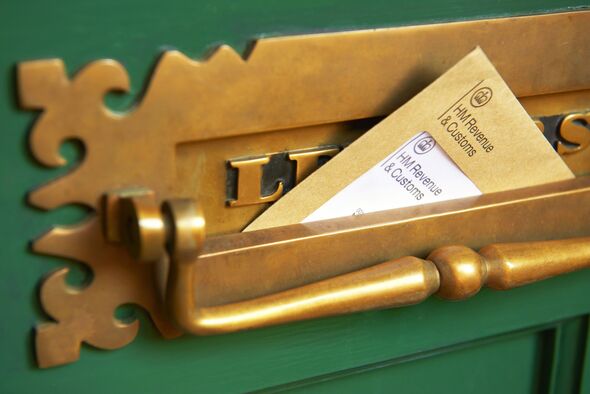
Households in the UK have the opportunity to increase their tax-free Personal Allowance to £17,610 for the current tax year through a straightforward scheme administered by HMRC. This initiative applies to married couples and civil partners who backdate their claims for up to three previous tax years. As the deadline for self-assessment tax returns approaches at the end of January, it is crucial for individuals to review their tax codes to identify potential savings.
The current Personal Allowance remains frozen at £12,570 until at least April 2031. This freeze, which began in 2021, means that as wages rise in response to inflation, more individuals will find themselves paying tax on earnings that fall into these unchanged thresholds, a phenomenon often referred to as ‘fiscal drag’.
Understanding the Marriage Allowance
The Personal Allowance is the income threshold below which individuals do not pay tax. Above this threshold, earnings are taxed at 20% for basic rate taxpayers, 40% for higher rate taxpayers earning between £50,270 and £125,000, and 45% for additional rate taxpayers above £125,000.
For couples who are married or in civil partnerships, there is a method to increase this tax-free allowance through the Marriage Allowance. This scheme allows one partner to transfer £1,260 of their Personal Allowance to the other partner, potentially reducing their tax bill by up to £252 for each year claimed. Importantly, couples can backdate this claim to the tax year 2021-2022 if they were eligible during those years.
The process is straightforward: if one partner earns less than £12,570 and the other is a basic rate taxpayer, they can apply to transfer the allowance. This transfer effectively increases the receiving partner’s tax-free income, resulting in significant savings. Over four years, the total potential tax rebate could reach £1,260, significantly enhancing take-home pay.
Eligibility and Implications
To qualify for the Marriage Allowance, one partner must be a non-taxpayer, meaning their income is below £12,570. This scenario often applies to individuals who are unemployed, on parental leave, or taking a career break. The other partner must be a basic rate taxpayer earning between £12,570 and £50,270 after pension contributions are taken into account.
Changes for the 2024-2025 tax year have slightly expanded eligibility, allowing those earning between £11,130 and £12,570 to transfer their allowance, although they remain subject to tax on earnings within that range. Despite the reduced benefit for those at the lower end of the scale, the scheme still offers a viable means for couples to enhance their tax efficiency.
While individuals can backdate their claims for the current year and the previous four financial years, claims for 2020-2021 are no longer valid. This means eligible couples should act promptly to secure their entitlements and maximize their financial benefits before the self-assessment deadline.
As tax season approaches, taking advantage of available allowances can make a significant difference for households navigating financial pressures. By understanding and utilizing the Marriage Allowance, couples can effectively boost their tax-free income and reduce their overall tax liability.