The geopolitical tensions following recent military actions have sent shockwaves through the global economy. On February 28, 2024, the United States and Israel carried out coordinated airstrikes on Iran, marking a significant escalation in hostilities. As a result, oil prices surged dramatically, with Brent crude reaching $119 per barrel and West Texas Intermediate (WTI) experiencing its largest weekly gain in history, dating back to 1983. This volatility has raised concerns about the broader implications for economies worldwide.
Impact on Global Oil Supply and Shipping
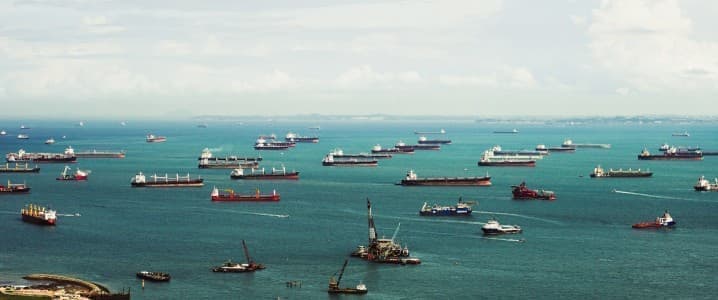
The ongoing conflict has effectively closed the Strait of Hormuz, a critical maritime passage that carries approximately 20 percent of the world’s oil. While not formally blocked, Iranian military actions and declarations have led to a significant reduction in shipping traffic. Tanker movements have plummeted from an average of 138 vessels per day to merely two, with over 150 tankers now anchored in the Gulf.
Major shipping companies, including Maersk and Hapag-Lloyd, have suspended operations in the region, citing safety concerns. The situation has been exacerbated by skyrocketing war-risk premiums, which have become untenable after insurers withdrew coverage entirely. This has rendered many vessels unable to operate legally in the area, further straining global supply chains.
In financial terms, the impact is staggering. Charter rates for liquefied natural gas (LNG) surged from $40,000 a day to $300,000 in less than a week, a dramatic increase of 650 percent. Qatar, a leading LNG exporter, has halted production at its major facilities, declaring force majeure on existing contracts, which raises alarms for energy supplies globally.
Wider Economic Ramifications
The ramifications extend beyond oil and gas. As the price of crude oil has risen nearly 50 percent since the onset of hostilities, fertilizer costs are also escalating. Modern agriculture is heavily reliant on natural gas for fertilizer production, and disruptions in supply chains could lead to significant food shortages. Prices for nitrogen fertilizers have already jumped by 35 percent in Egypt, with similar trends expected in other regions as planting season approaches.
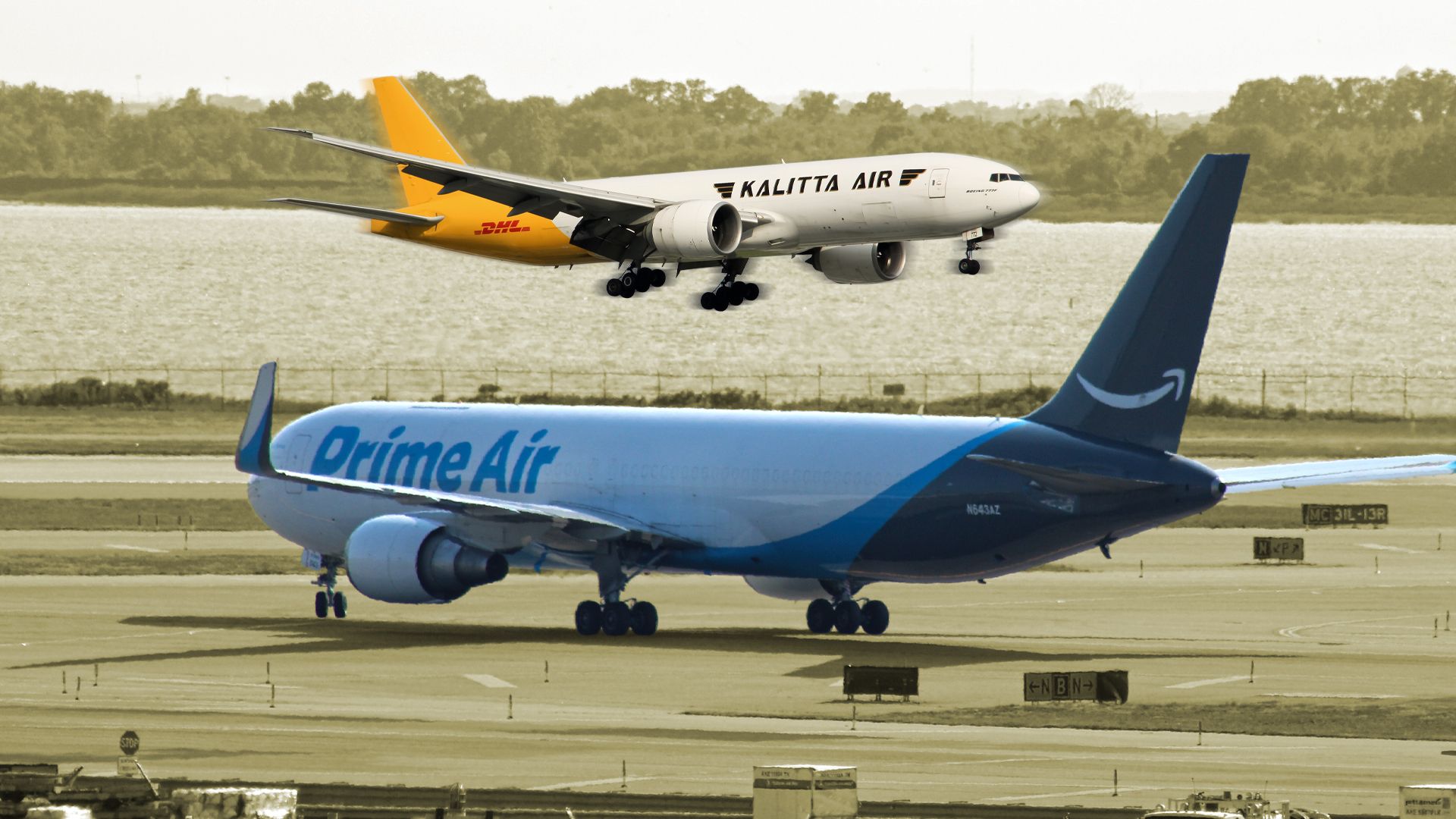
Air cargo capacity, vital for transporting pharmaceuticals and perishable goods, has declined by 18 percent globally due to restricted airspace across conflict zones. This has led to delays in critical deliveries, further complicating the situation for businesses dependent on timely shipments. The cumulative effect of these disruptions is likely to be felt for months, as the supply chain struggles to adapt to the new constraints.
In the United States, rising energy prices are beginning to affect consumers directly. The average gasoline price has surged to $3.45 per gallon, marking a 50 cent increase within a week. Energy Secretary Chris Wright stated that higher prices are “a small price to pay,” but this sentiment is not widely shared, as public discontent grows over rising living costs.
Goldman Sachs has warned that if oil prices remain elevated, consumer price inflation in the U.S. could rise from 2.4 percent in January to 3 percent by year-end. Similar pressures are expected across Europe and Asia, compounding existing economic challenges.
As the conflict continues, the geopolitical landscape and its impact on global trade will remain uncertain. The dual chokepoint crisis in the Strait of Hormuz and the Red Sea creates unprecedented challenges for shipping and energy supply, impacting everything from consumer goods to agricultural outputs. Without quick resolutions, the ramifications of this crisis are likely to reshape economic conditions for the foreseeable future.
The situation underscores the fragility of global supply chains, where localized conflicts can trigger widespread economic consequences. As countries grapple with these challenges, the focus will increasingly be on stabilizing energy supplies and ensuring the continuity of essential goods in an increasingly interconnected world.