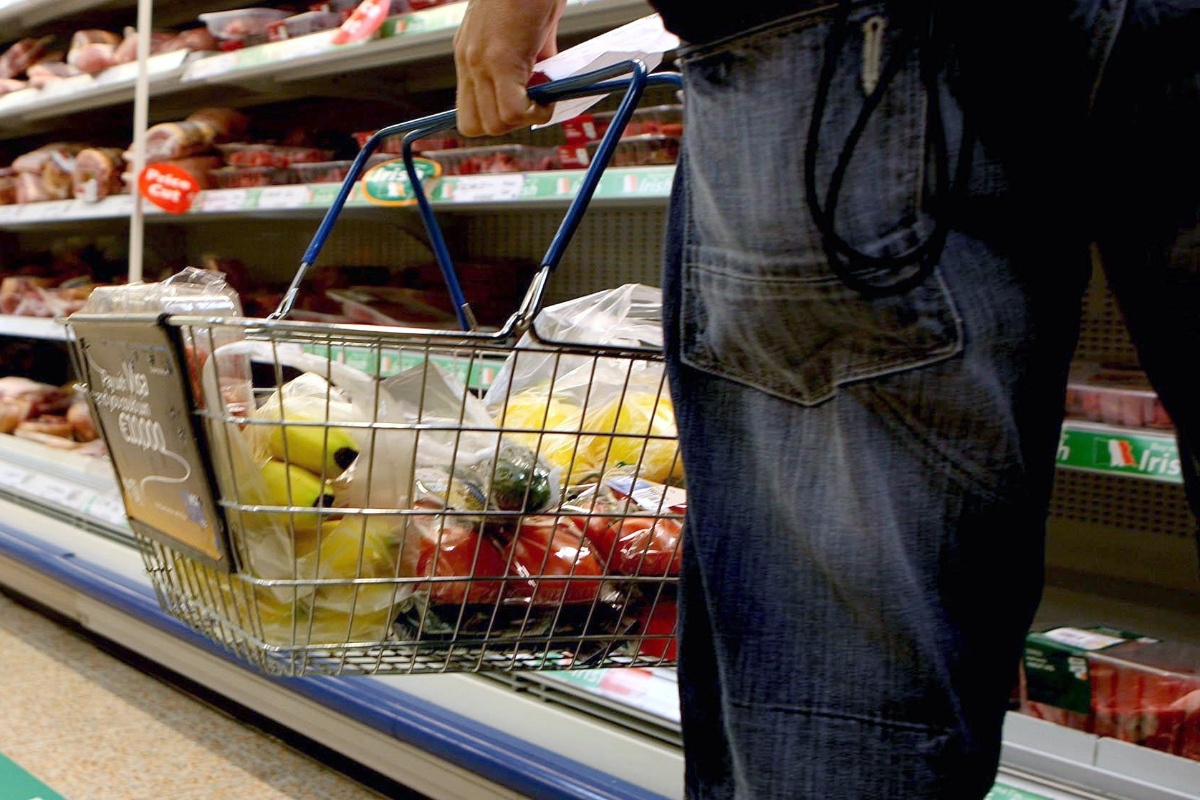
Soaring food costs have significantly impacted shop price inflation in December 2025, according to the latest data. Food inflation rose to 3.3 percent, up from 3 percent in November, with fresh produce costs increasing to 3.8 percent from 3.6 percent. This trend is just below the nine-month average of 3.9 percent, while overall shop price inflation stood at 0.7 percent, as reported by the British Retail Consortium (BRC) and NIQ.
Impact of Rising Prices on Consumers
Helen Dickinson, Chief Executive of the BRC, addressed the ongoing challenges facing retailers. She stated, “This year, retailers will continue to do all they can to keep prices down. While falling energy prices and improved crop supply should help ease some cost pressures, increased public policy costs and regulation will likely keep inflation sticky.”
Consumer sentiment has been notably affected by rising food prices. A recent survey by KPMG indicated that 81 percent of respondents who felt the UK was declining cited grocery costs as their primary concern. In anticipation of the upcoming Autumn Budget, major supermarkets including Tesco, Lidl, and Morrisons urged the Chancellor to take action to “bring inflation to a heel.” They warned that the high food inflation seen in December is expected to persist into 2026, primarily due to ongoing industry costs.
Mike Watkins, Head of Retailer and Business Insight at NIQ, noted that “weak shopper sentiment” is likely to continue in the new year, even as inflation appears to have peaked. Despite these challenges, consumers experienced some relief during the festive season, as non-food product prices saw a deflation rate of 0.6 percent. The overall inflation rate fell from 3.6 percent in November to 3.2 percent in December, a decline larger than analysts had anticipated, yet still significantly above the Bank of England’s target of 2 percent.
Specific Increases in Food Prices
The Office for National Statistics highlighted that food prices were the largest contributor to inflation. Among the notable increases, beef prices surged by a staggering 27.7 percent year-on-year, while chocolate and milk prices rose by 17.3 percent and 14.8 percent, respectively. Conversely, some categories, including cakes, biscuits, and breakfast cereals, experienced price decreases during this period.
As the UK navigates these financial pressures, the interplay between rising costs and consumer sentiment will be critical. Retailers are expected to face significant challenges throughout the year, particularly as they strive to balance cost management with customer affordability. The ongoing situation will likely influence both shopping habits and broader economic conditions in the months to come.