The European Commission has approved eight national investment plans under the SAFE programme, allocating a total of €74 billion to strengthen the defence capabilities of Estonia, Greece, Italy, Latvia, Lithuania, Poland, Slovakia, and Finland. This funding is part of the EU’s broader Readiness 2030 initiative, which seeks to mobilise hundreds of billions of euros for defence by the end of the decade, coinciding with increasing concerns over potential Russian aggression towards European nations.
This recent approval marks the second phase of funding under the SAFE scheme, following an earlier round in January 2023, where eight other countries—including Belgium, Bulgaria, Denmark, and Spain—secured a combined €38 billion. Poland stands out in this latest allocation, requesting €43.7 billion, a significant portion of the total funds available.
Strengthening European Defence
Defence Commissioner Andrius Kubilius expressed strong support for the initiative, stating, “With this second batch of SAFE investments, Europe is finally backing its security ambitions with the necessary financial weight. We are no longer just drafting strategies; we are building a hard-power reality.” This sentiment signals a commitment to enhancing military readiness and industrial capacity amidst global security challenges.
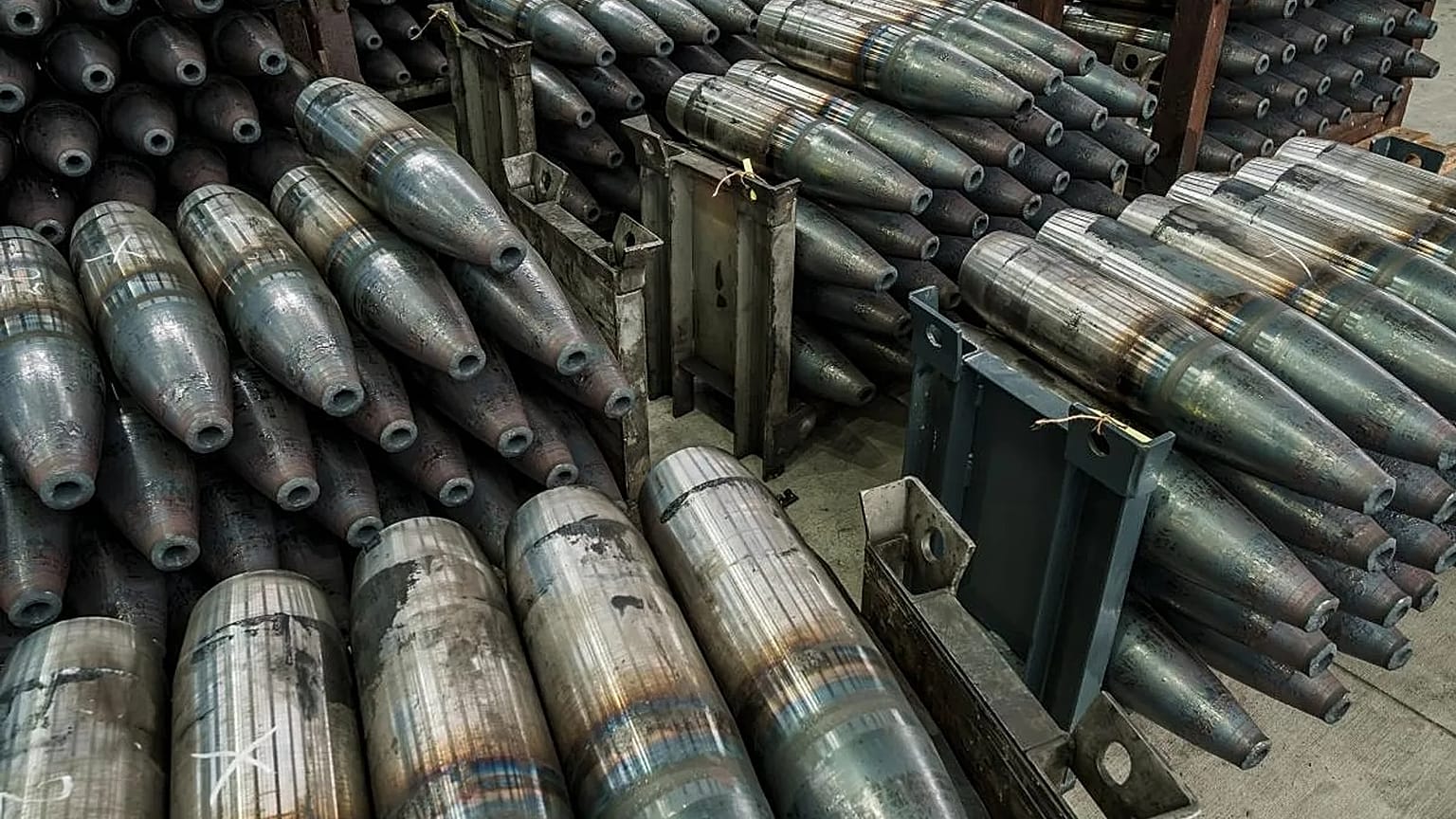
Nineteen EU member states have indicated interest in the SAFE programme, which aims to unlock up to €800 billion for defence products by 2030. The initiative prioritises the procurement of essential military assets such as ammunition, missiles, drones, and advanced cybersecurity systems. A critical requirement is that these products must be European-made, ensuring that no more than 35% of component costs originate from outside the EU, the European Economic Area, or Ukraine.
In addition to EU member states, Canada is eligible to participate in the programme, having secured a bilateral agreement that allows it to access the same funding level as EU nations. This move reflects a collaborative approach to addressing shared security concerns.
Future Prospects and Financial Implications
The SAFE programme is particularly advantageous for member states with lower credit ratings compared to the European Commission, as they will benefit from better financing rates. Notably, Germany has opted not to request any SAFE funds, choosing to rely on its financial standing.
EU ministers now have four weeks to formally approve these investment plans, with initial payments expected to commence in March 2026. Following the programme’s popularity—evidenced by the overwhelming demand from the nineteen participating countries, which initially requested over €150 billion—there is potential for further expansion of SAFE.
As Europe navigates an increasingly complex security landscape, these substantial investments represent a decisive step towards bolstering the continent’s military capabilities and asserting its sovereignty on the global stage.