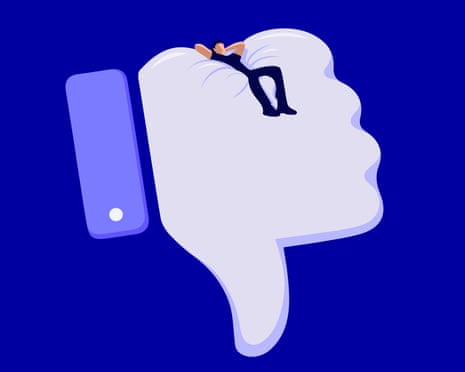
Rejection impacts individuals across various aspects of life, including professional, social, and romantic contexts. The pain associated with feeling judged as undesirable can linger for years, often manifesting in both emotional and physical ways. Research led by Helen Fisher, a prominent anthropologist, reveals that the experience of rejection can activate the same areas of the brain associated with physical pain. Her 2010 study utilized functional MRI scans to analyze individuals who had recently faced romantic rejection, showing heightened activity in regions linked to distress.
The effects of social rejection extend beyond romantic relationships. Social psychologist Naomi Eisenberger conducted experiments where participants experienced exclusion from a game, discovering that social pain parallels physical pain in its neurocognitive function. This evolutionary perspective highlights the innate human desire for social connection, rooted in our ancestors’ survival instincts. Being excluded from a community could have dire consequences, fostering a strong aversion to rejection in modern society.
Despite the inherent discomfort, avoiding rejection can lead to greater emotional harm than the rejection itself. Individuals focused on sidestepping rejection may become increasingly risk-averse, ultimately narrowing their social interactions. A shift in mindset may provide a solution: instead of recoiling from rejection, embracing it could foster resilience and enhance psychological well-being.
The Power of Acceptance and Cognitive Reframing
Acceptance and cognitive reframing are critical strategies in navigating rejection. Understanding that rejection is a universal experience can soften its impact. Rejection, rather than being a definitive setback, offers valuable lessons and opportunities for personal growth. This perspective aligns with various spiritual traditions, such as Buddhism, which advocates for maintaining equanimity in the face of life’s adversities.
An illustrative example comes from American entrepreneur Jia Jiang, who faced rejection from an investor in 2012. Rather than succumbing to despair, Jiang embarked on an ambitious project, seeking to embrace rejection over 100 days. He recorded his experiences making unusual requests, from borrowing money to asking for peculiar favors, which allowed him to confront his fear head-on. Throughout this journey, Jiang noticed his anxiety diminishing as he became desensitized to rejection. His exploration not only improved his resilience but also enhanced his social skills and overall enjoyment in engaging with others.
As Jiang’s attitude shifted to one of openness, he found that more people were willing to say yes to his unconventional requests, including a doughnut shop employee who fulfilled his whimsical idea of creating Olympic-themed pastries. This response highlights the potential for positive outcomes when one reframes rejection as an opportunity for connection rather than a setback.
Creativity Born from Rejection
Historically, rejection has served as a crucible for innovation and artistic expression. Many renowned artistic movements, from Impressionism to Punk, emerged from the experiences of individuals who faced rejection. This dynamic illustrates how the freedom to explore and create often arises from the margins of societal acceptance. The experience of being rejected can liberate artists from conforming to prevailing norms, allowing them to push boundaries and innovate.
Research led by academic Sharon Kim in 2013 supports the idea that rejection can spark creativity. Her study found that individuals with a strong sense of uniqueness often experienced a boost in creative output following social rejection. This suggests that rather than hindering creativity, rejection can serve as a catalyst for innovative thinking, particularly for those who embrace their individuality.
While rejection is an unavoidable part of life, individuals can alter their response to it. Training oneself to avoid catastrophizing after a setback can transform one’s approach to challenges. By cultivating resilience and an optimistic outlook, individuals gain the freedom to engage more fully with the world around them.
Learning to embrace rejection not only opens new avenues for personal and professional growth but also enhances social engagement. Acknowledging that everyone experiences rejection can create a sense of shared understanding and connection among individuals. As society continues to evolve, fostering resilience in the face of rejection may prove essential for personal fulfillment and collective progress.
Rejection is an inevitable aspect of the human experience. By reframing it as an opportunity for growth and connection, individuals can enhance their resilience and creativity, ultimately enriching both their personal and professional lives. The journey through rejection can yield unexpected rewards, prompting individuals to bounce back stronger and more open to new possibilities.