Boxing Day sales in the UK have seen a significant decline as fewer shoppers visit high streets and shopping centres, with consumer spending projected to decrease markedly. By 15:00 on December 26, 2025, foot traffic in UK high streets was down by 1.5 percent compared to last year, while shopping centre visits fell by 0.6 percent, according to data from MRI Software. Barclays estimates that overall spending during the Boxing Day sales will reach approximately £3.6 billion, a stark reduction from the £4.6 billion anticipated in 2024.
The shift in consumer behaviour, with many choosing online shopping over traditional retail venues, has led to concerns about the future of high street sales. Karen Johnson, Head of Retail at Barclays, noted that shoppers are increasingly budget-conscious, a trend that is expected to persist through the holiday sales season.
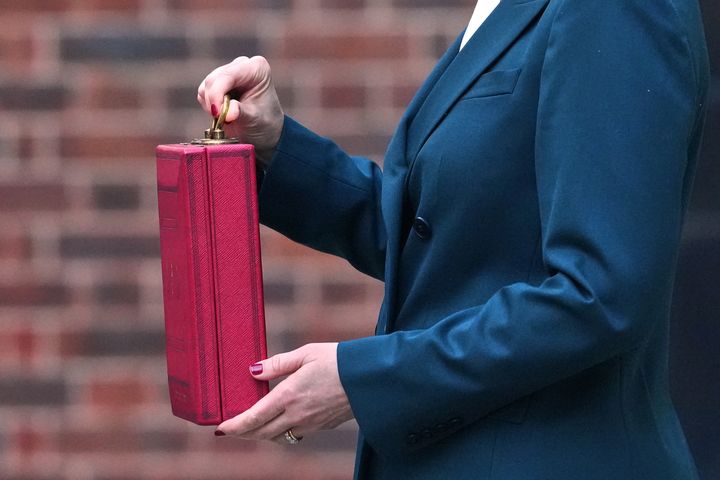
The current slump in Boxing Day sales has been linked to economic pressures and recent tax increases implemented by the Labour government, led by Shadow Chancellor Rachel Reeves. Critics argue that these tax hikes have contributed to a £1 billion drop in profits for retail businesses, further straining an already vulnerable sector.
The decline in high street visitors is attributed to tightening household budgets, with recent surveys indicating that 69 percent of consumers feel that cost pressures will influence their spending this year, an increase from 47 percent in 2024. This shift has prompted political leaders to place blame on the current administration, with the Conservative Party and Reform UK accusing Labour of fostering a stagnant economy and diminishing consumer confidence.
Shadow Business Secretary Andrew Griffith commented, “Under Labour, Christmas has been reduced to a time for stocking up on discounted essentials rather than celebrating with family and friends.” He emphasized that the government’s policies have forced shoppers to limit their spending, directly impacting retailers during a pivotal sales period.
In a similar vein, Reform deputy leader Richard Tice remarked, “This government came in promising to get the cost of living under control. Almost two years later, household bills have soared, economic taxes have skyrocketed, and economic growth has flatlined.” Tice highlighted that it is unsurprising that consumers are opting to stay home instead of supporting high street businesses this Boxing Day.
As the retail sector grapples with these challenges, the long-term implications of reduced foot traffic and spending remain a concern for businesses and policymakers alike. With the economic landscape shifting, retailers will need to adapt to changing consumer preferences and financial constraints to ensure sustainability in the future.