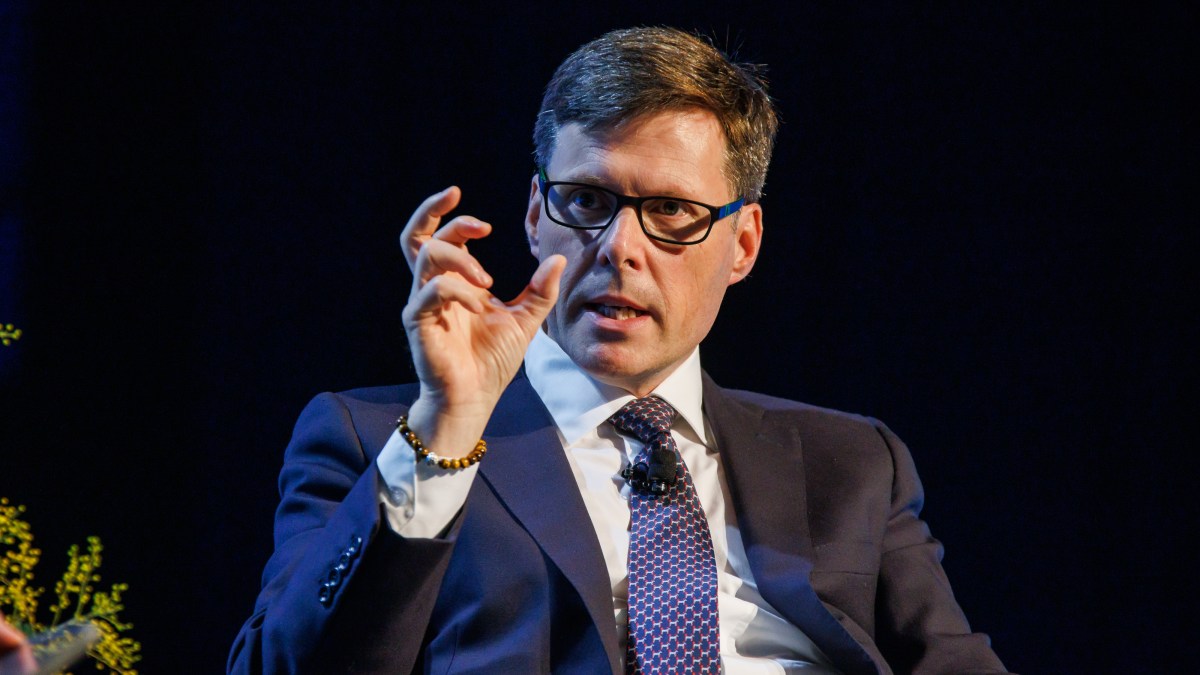
A significant crisis looms over American workplaces, with an annual economic burden of $176.5 billion attributed to work-related injuries, according to the National Safety Council (NSC). This alarming figure highlights the urgent need for improved workplace safety measures, as emphasized by Sebastián Lopez Vivas, an Industrial Safety Specialist. He attributes much of this crisis to organizations lacking the necessary skills to diagnose systemic failures and implement effective preventative strategies.
Lopez Vivas, an expert in occupational health and safety, argues that the protection of the workforce is frequently neglected. “Occupational safety is essential because it protects people, preserves operations, and strengthens an organization’s long-term stability,” he states. With over a decade of experience across various sectors, Lopez Vivas underscores that when companies are unable to identify root causes and systemic weaknesses, the result is a cycle of recurring failures and increasing injuries. This cycle contributes to the staggering losses reported by the NSC.
The Importance of Safety Standard Assessments
One key strategy in addressing this crisis is the implementation of Safety Standard Assessments. Lopez Vivas explains that these assessments are formal evaluations designed to determine if an organization is complying with required regulations, industry standards, and best practices for safe operations. “They help identify gaps before they turn into incidents,” he adds.
These assessments play a vital role in ensuring compliance, identifying hazards, and analyzing systemic weaknesses. Lopez Vivas elaborates that effective safety programs can be aligned with industry standards and regulatory requirements, ultimately fostering a safer workplace.
Challenges in Workforce Protection
Despite the critical importance of workplace protection, Lopez Vivas identifies a significant challenge: the perception of its value. “Workforce protection is often overlooked not because it’s unimportant, but because its value is most visible only when something goes wrong,” he explains. Organizations tend to focus on quantifying injuries and claims, while the benefits of prevention, such as avoided hazards and prevented incidents, remain less tangible and often undervalued.
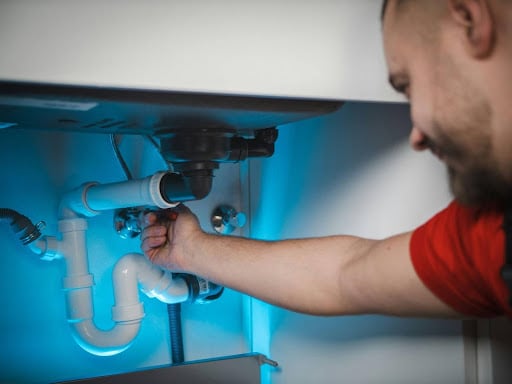
Highlighting the plumbing industry as a high-risk example, Lopez Vivas notes that workers are exposed to various physical, chemical, biological, and environmental hazards. “Plumbing is considered high-risk because it involves working in confined spaces and around hazardous environments,” he states. The unpredictable nature of such work makes it inherently dangerous, underscoring the need for robust safety measures.
Protecting workers in high-risk sectors like construction, plumbing, HVAC, logistics, and infrastructure is crucial. Lopez Vivas emphasizes that self-protection is paramount in these dynamic environments. “Workers protect themselves by understanding hazards before starting work, performing pre-task inspections, and using proper personal protective equipment (PPE),” he advises.
Additionally, maintaining situational awareness, communicating effectively, and following safe lifting practices are essential components of a comprehensive safety approach. “These core behaviors apply across all high-risk sectors,” Lopez Vivas notes.
Preventing workplace injuries demands a multifaceted strategy. Lopez Vivas asserts that through engineering controls, proper training, and consistent safe behaviors, injuries can be minimized. He identifies common hazards such as falls, electrical exposures, and chemical/biological risks as predictable, making the need for effective prevention strategies even more urgent.
About Sebastián Lopez Vivas
Currently serving as the Safety Manager at People’s Plumbing & Mechanical Inc. in Miami, Florida, Lopez Vivas has successfully maintained a 0.7% Experience Modification Rate (EMR) through effective operational controls and behavioral safety programs. His experience includes roles such as Occupational Health Coordinator at Atlas Seguridad in Colombia and Administrative Director at Wilfrios Ingeniería S.A.S, where he made significant improvements in health and safety compliance.
With a Bachelor’s Degree in Business Administration and a Postgraduate Degree in Industrial Hygiene and Safety from Universidad Autónoma de Occidente, alongside certifications in ISO standards, Lopez Vivas embodies the expertise needed to drive safety excellence.
Ultimately, Sebastián Lopez Vivas’s insights emphasize that occupational safety transcends mere compliance; it is a crucial investment in human life, operational resilience, and economic stability. By prioritizing proactive safety measures and empowering specialists, American industries can move towards creating truly safe and thriving workplaces.