UPDATE: The Paiz Biennial, one of the oldest art biennials in the world, has officially launched its twenty-fourth edition in Guatemala, showcasing works from 46 artists across 11 venues in Guatemala City and Antigua. This ambitious exhibition, titled “The World Tree,” features thirty new commissions and aims to elevate the biennial’s global profile.
Curated by Eugenio Viola of the Museo de Arte Moderno de Bogotá, the event opened in November 2023, marking a significant shift as the first edition to invite international journalists, curators, and collectors to engage with the region’s vibrant art landscape. The Paiz Foundation’s investment in global outreach signals a desire to position the biennial firmly within the international art circuit.
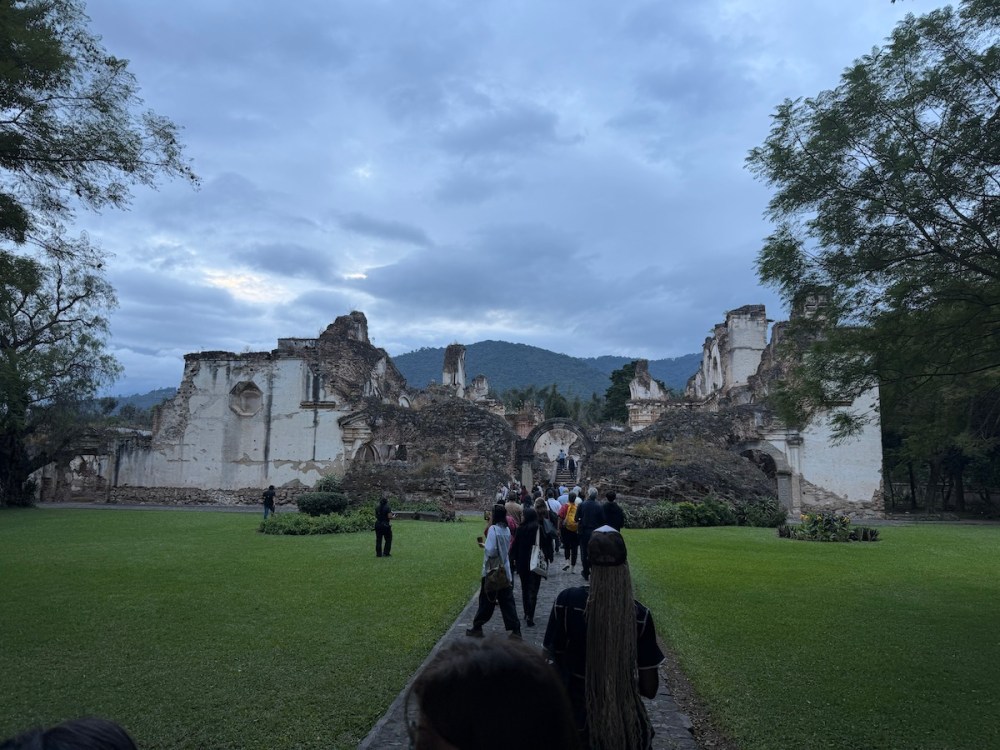
The venues for this year’s edition are remarkable, with art displayed in stunning historical sites such as La Recolección, an 18th-century church and monastery. The juxtaposition of contemporary works against the backdrop of Guatemala’s colonial history creates a compelling narrative for visitors.
Among the standout pieces is Simón Vega’s “Estela del Gobernante F,” a striking assemblage that merges sci-fi aesthetics with traditional Mayan forms. Meanwhile, Guatemalan artist Naufus Ramírez-Figueroa presents “Spiral to Spiral,” which explores the colonial history of playing cards in Guatemala, illustrating the enduring impact of cultural appropriation.
As the biennial unfolds, it is attracting attention not only for its artistic offerings but also for its cultural significance. Internationally renowned artist Kader Attia exhibits “Intifada: The Endless Rhizomes of Revolution,” which resonates with current global events, particularly the ongoing conflict in Gaza.
The exhibition aims to foster dialogue across cultures, with works like Jaanus Samma’s “Vikings,” highlighting connections between Estonian and Mayan crafts. This cultural bridge underscores the biennial’s mission to reflect on contemporary issues through art.
Despite some misfires, particularly by international artists misinterpreting local culture, the overall response has been positive. The event is generating discussions and drawing visitors eager to experience Guatemala’s unique artistic voice.
For art enthusiasts and observers alike, the Paiz Biennial is not just an exhibition but a critical moment for Guatemala’s cultural landscape. With its expansive array of works and performances, this biennial promises to reshape perceptions and elevate the voices of local and international artists alike.
As the event continues, audiences are encouraged to explore the rich array of thought-provoking art and engage with the stories behind each piece. The Paiz Biennial is set to be a pivotal event for both local and international art communities, bringing much-needed attention to Guatemala’s artistic heritage.