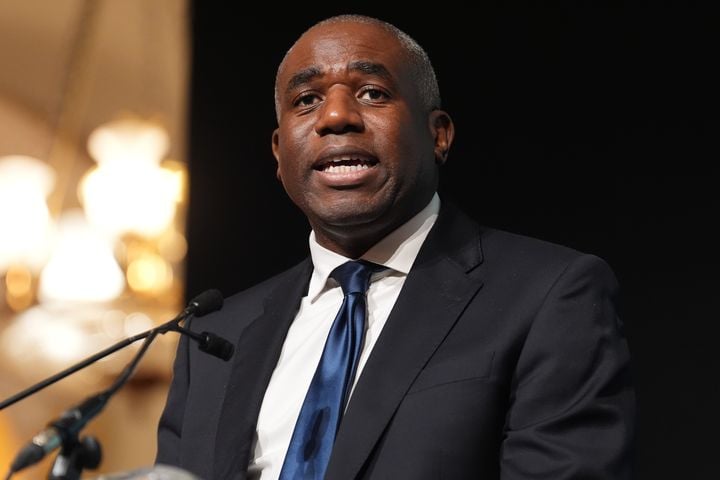
UPDATE: Deputy Prime Minister David Lammy has just announced a groundbreaking shift in the UK’s approach to tackling fraud, unveiling plans for judge-only trials aimed at delivering swifter justice in complex cases. This significant announcement was made during the launch of the Government’s new anti-corruption strategy at Mansion House in London earlier today.
The strategy outlines stronger law enforcement measures to combat bribery and corruption in both the public sector and financial services. Lammy emphasized that the introduction of judge-only trials will expedite the handling of sophisticated fraud cases that often become mired in lengthy legal processes.
In his speech, Lammy stated, “Judge-only trials in the most complex frauds will get justice moving faster and send a clear message: If you loot, if you launder, if you defraud the British people, you will be caught and tried by those who understand your tricks.” This approach is designed to address the staggering complexity of fraud cases, which can involve hundreds of thousands of pages of evidence and take years to resolve.
Why This Matters: The UK has been grappling with increasing scrutiny over its role as a potential haven for illicit financial activities. According to the National Crime Agency, approximately £100 billion is laundered through the UK each year. The new strategy aims to bolster the country’s defenses against such practices and restore its reputation as a trusted jurisdiction.
In addition to judge-only trials, Lammy announced an allocation of £15 million for the City of London police’s anti-corruption unit and a review of stolen assets led by anti-corruption champion Baroness Margaret Hodge. Hodge remarked, “This strategy will toughen the UK’s defences against dirty money and better equip us to go after those profiting from corruption and criminality. Our job now is to get on and implement it.”
The announcement comes amid ongoing criticism of Lammy’s plans to eliminate jury trials for certain crimes carrying sentences of less than three years. Advocates for justice reform argue that the current system is too slow to respond effectively to complex fraud cases.
The cross-party response has been supportive but calls for urgency and adequate funding for frontline agencies. Phil Brickell, Labour chairman of the All-Party Parliamentary Group on Anti-Corruption and Responsible Tax, commented on the need for transparency, stating, “When crooks can hide behind anonymous shell companies, our security and reputation suffer.”
As the UK government takes these steps to combat corruption, the focus remains on ensuring that justice is delivered swiftly and effectively. With these changes, Lammy is positioning the UK to tackle corruption head-on and reinforce its integrity on the global stage.
Next Steps: Watch for further developments as the government begins implementing this strategy and as public and political reactions unfold. The urgency surrounding these reforms reflects a growing consensus that immediate action is necessary to restore trust in the UK’s legal and financial systems.
This announcement promises to reshape the landscape of fraud trials in the UK, and the implications will be closely monitored by both domestic and international observers.