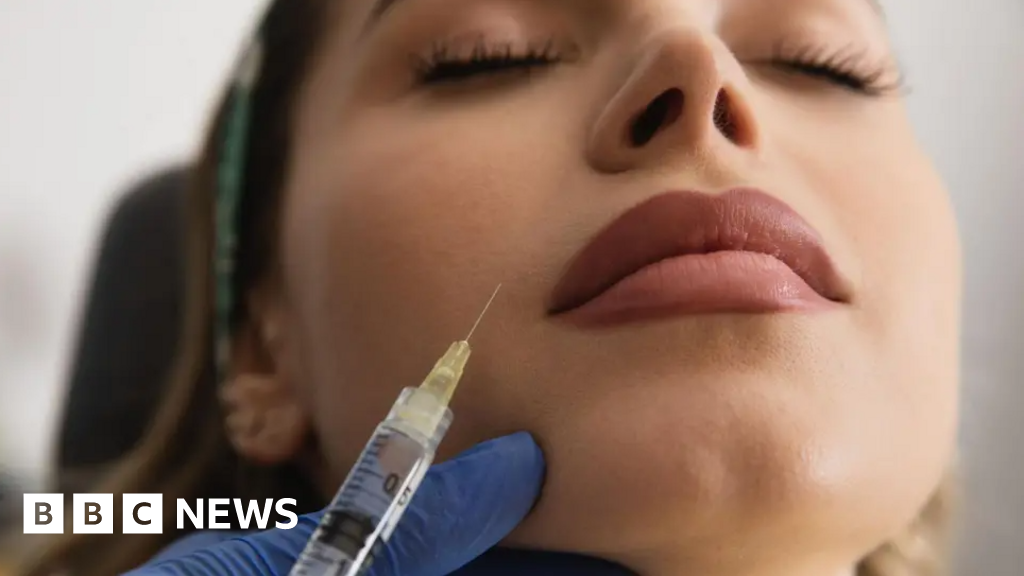
Teenagers as young as 15 are increasingly seeking assistance due to unsuccessful Botox and filler procedures, according to a report from the charity Advice Direct Scotland (ADS). The charity’s findings have prompted calls for tighter regulations on cosmetic treatments, highlighting the urgent need for protective measures for vulnerable young individuals.
ADS reported that they received 430 complaints in the last two years related to cosmetic procedures, with affected individuals collectively losing £192,000 due to unsatisfactory treatments. The Scottish government is currently considering legislation that would ban non-surgical cosmetic procedures for those under 18 and mandate that such treatments only occur in approved facilities.
Concerns Over Unqualified Practitioners
The charity has raised alarm over practitioners administering dermal fillers and Botox to minors, often in unregulated environments. In their submission to the Health, Social Care and Sport Committee at Holyrood, ADS noted that some practitioners are performing these procedures from their homes or public spaces, which raises significant safety concerns.
One case highlighted involved a customer who paid £725 for a filler procedure. After being upsold additional treatments, the individual experienced severe swelling and fluid accumulation under their eyes. The practitioner attributed these complications to an allergic reaction but failed to resolve the issue, leading the customer to pay extra to dissolve the filler. ADS emphasized the challenges faced by consumers in holding practitioners accountable, citing a lack of formal complaint mechanisms.
Advocacy for Stronger Regulations
While ADS supports the proposed legislation, they are advocating for enhancements to the Non-surgical Procedures and Functions of Medical Reviewers (Scotland) Bill. The charity is calling for increased public awareness campaigns and guidance aimed at parents and guardians to protect young people influenced by social media trends.
Jillian Edmund, project lead at ADS, expressed concern over the situation, stating, “It’s shocking to be contacted by people as young as 15 who are left needing help after being injected with Botox and fillers by unscrupulous practitioners.” She welcomed the proposed protections for under-18s, emphasizing the importance of establishing a clear framework for practitioners regarding qualifications and operating conditions.
In line with these concerns, Consumer Scotland has also urged for more robust safeguards to be included in the legislation. A spokesperson for the Scottish government affirmed the importance of ensuring safe standards within the cosmetic industry, noting that the proposed regulations will create a framework to guarantee safe practices for individuals opting for non-surgical procedures.
The ongoing discussions and proposed changes reflect a growing recognition of the risks associated with cosmetic treatments, particularly for minors. As legislation progresses, the hope is that it will lead to safer practices and better protection for consumers in Scotland and beyond.