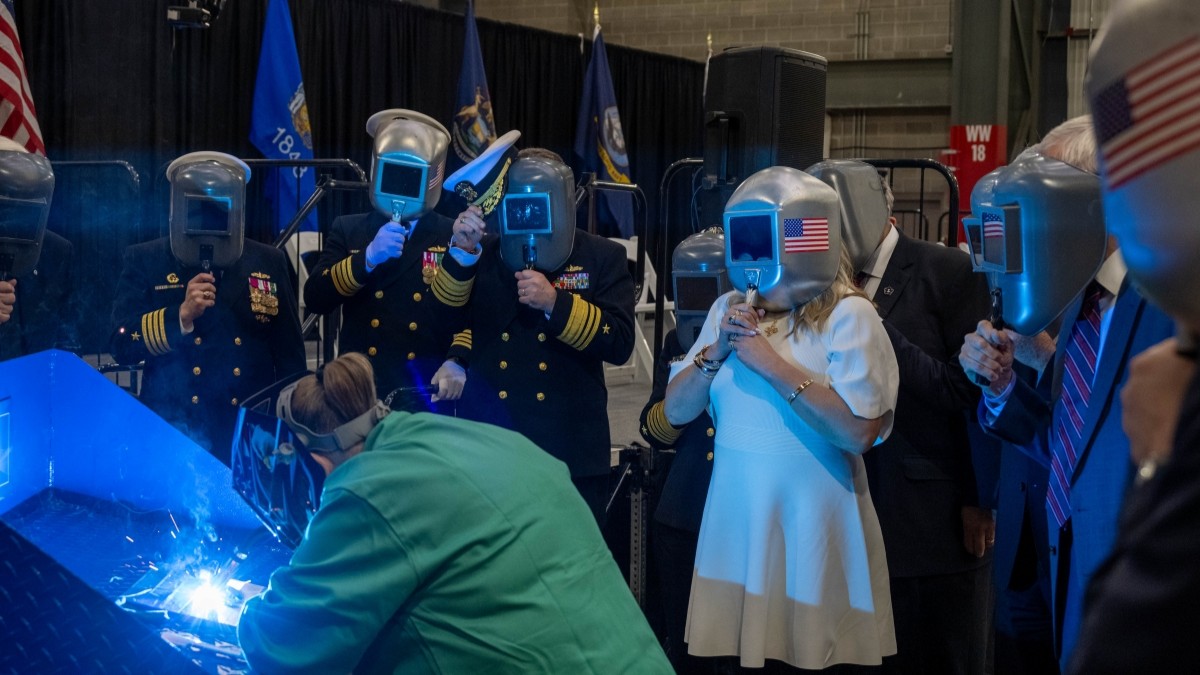
The U.S. Navy has officially canceled the Constellation-class frigate program, highlighting significant challenges within its shipbuilding initiatives. Secretary of the Navy John Phelan announced this decision last week after the program faced extensive delays and budget overruns, ultimately costing billions over five years without delivering a single vessel. As various Navy shipbuilding projects stall, the Constellation-class has emerged as a stark example of systemic issues affecting naval construction.
The cancellation of this program, identified as a critical failure by military leaders and analysts alike, raises concerns about the future of shipbuilding capacity, particularly in Wisconsin, where Fincantieri Marinette Marine is located. The program, which has been described as “a tough but vital call” by Roger Wicker, Chair of the Senate Armed Services Committee, also poses risks to the industry and the broader defense ecosystem.
In light of these developments, a series of corrective actions are deemed necessary to ensure future success. The Navy should adopt three core strategies to address the lessons learned from the Constellation-class experience. First, it is essential to reinforce shipbuilding capacity while simultaneously signaling confidence to industry stakeholders. Second, the Navy must take decisive action to reform its acquisition processes, ensuring that similar failures do not occur in future projects.
The cancellation presents a unique opportunity for the Navy to implement meaningful reforms in its acquisition strategy. It is crucial to leverage this moment to instigate a broader campaign for acquisition reform that aligns with the Navy’s operational needs. This requires a commitment to systematic changes within the Navy’s bureaucratic framework, one that prioritizes efficiency and accountability.
Current Reforms and Future Directions
Several reforms are already underway within the Department of Defense, aimed at enhancing decision-making processes and the efficiency of shipbuilding programs. These initiatives emphasize compressing acquisition timelines and restructuring the Navy’s procurement framework to align more closely with modern industrial practices.
The move toward smaller, iterative increments in program development is designed to prevent the stagnation that plagued the Constellation-class frigate. Additionally, Phelan has initiated a significant restructuring of the Navy’s internal organization, realigning responsibilities for requirements, engineering authority, and program execution. This approach aims to mitigate the risk of late-stage design alterations that can derail project timelines.
Further, industrial stabilization mechanisms such as multi-year procurement contracts and modernization initiatives for aging shipyards are being introduced. These tools will provide greater predictability for the industry and reduce the Navy’s risk exposure associated with program failures.
While these reforms are essential, they represent only the beginning of the necessary changes. The Navy must also confront well-documented issues that have persisted despite numerous recommendations from the Government Accountability Office and various think tanks.
Addressing Long-Standing Issues
One of the most pressing issues is the Navy’s tendency to initiate construction before designs are fully matured. This practice has led to construction delays and inflated costs. To rectify this, the Navy must enforce a freeze on designs until a comprehensive functional design package is completed. This will require a cultural shift within the organization, moving away from the desire for early public relations wins towards a disciplined approach that prioritizes long-term project viability.
Another critical area for improvement is the enforcement of stringent requirements management. The Navy has historically allowed an insatiable appetite for additional requirements, which inflates costs and complicates project execution. Establishing a framework that empowers designated authorities to enforce requirements discipline is essential for preventing cost overruns and ensuring that project scopes remain realistic.
Furthermore, integrating industrial capacity considerations into force planning discussions is crucial. By acknowledging the limitations of the current maritime industrial base, the Navy can develop more feasible requirements that align with what the industry can deliver.
The Navy also needs to strengthen its technical oversight. Currently, the responsibility for technical leadership is diffused across various departments, leading to inefficiencies and a lack of accountability. Streamlining this oversight will enhance the Navy’s capacity to manage complex ship designs effectively.
Finally, the cancellation of the Constellation-class frigate program offers a rare opportunity to implement bold, forward-thinking strategies that are currently unaddressed in public discourse. Speculation around a potential “Golden Fleet” initiative indicates the administration’s intent to revitalize naval capabilities. However, the success of such initiatives will depend on the Navy’s capacity to execute them effectively, ensuring that any new warships fill the gaps left by the Constellation-class cancellation.
In conclusion, the Navy stands at a crossroads following the Constellation-class frigate cancellation. By leveraging this moment for comprehensive reform, the Navy can set a new course for its shipbuilding programs. With a strategic focus on accountability, technical expertise, and robust planning, the Navy has the potential to overcome its current challenges and enhance its maritime capabilities. If these lessons are not embraced, the cycle of mismanagement may repeat, jeopardizing future naval readiness and operational effectiveness.