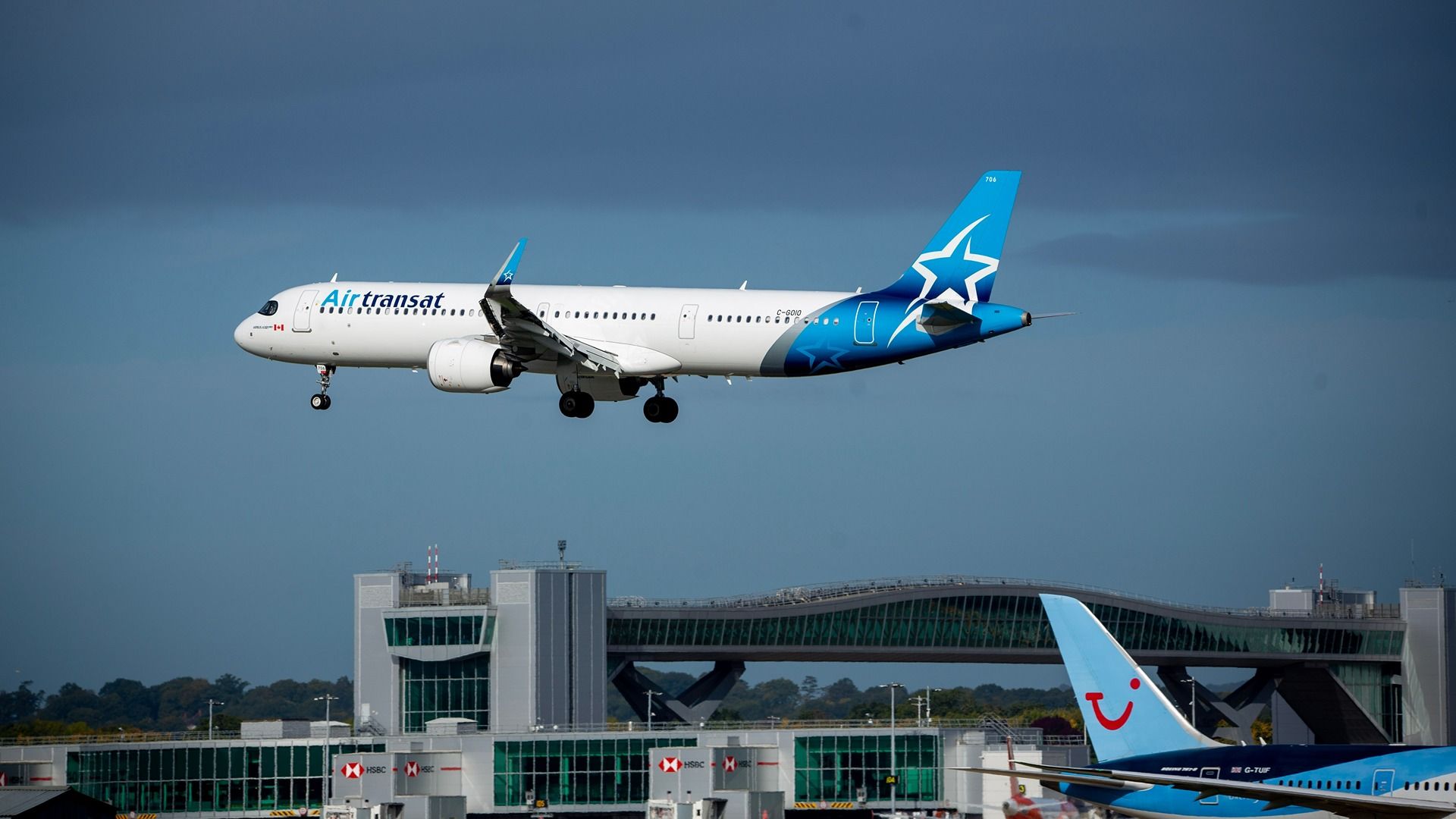
UPDATE: Air Transat has officially started to suspend its operations following a 72-hour strike notice issued by the Air Line Pilots Association (ALPA) on December 7, 2025. The airline will progressively cancel flights from December 8 to December 9, with a potential pilot strike looming as soon as 3:00 AM ET on December 10.
This urgent situation arises after nearly a year of negotiations for a new contract that promises industry-standard pay, benefits, and job security for the airline’s 700 pilots. The current agreement dates back to 2015, and pilots are demanding a “modern contract” to reflect today’s standards in aviation.
99% of Air Transat’s pilots authorized a strike on December 2, signaling their readiness to take action if negotiations do not yield results. ALPA states that the company has left them with “no choice,” highlighting the dire need for progress in talks.
“There is still time to avoid a strike but unless significant progress is made at the bargaining table, we will strike if that’s what it takes to achieve a modern contract,” said Captain Bradley Small, Chair of the Air Transat Master Executive Council.
In response, Air Transat has called the strike threat “premature,” arguing that they have made significant progress in negotiations, including a proposed 59% salary increase over five years and improvements to working conditions. The airline describes the union’s demands as “unreasonable” and warns that a strike could severely impact customers and the airline’s 4,300 employees.
Air Transat, headquartered in Montreal, operates approximately 71 flights daily from major hubs at Montréal–Trudeau International Airport (YUL) and Toronto Pearson International Airport (YYZ). The airline serves numerous international destinations, particularly in Europe, which could see significant disruptions during the busy winter holiday season.
The potential impact on operations is considerable, as the airline runs about 500 flights per week and maintains a fleet of 43 aircraft with an average age of 14.3 years. These aircraft include various models like the Airbus A321LR and A330, critical for both domestic and international routes.
As the situation develops, travelers are urged to stay informed about their flight status and consider alternative arrangements. With the strike looming just days away, the urgency for resolution is paramount.
In a broader context, this situation mirrors other recent labor disputes in the Canadian aviation sector, such as those faced by Air Canada, where employees also sought better working conditions and compensation earlier this year. Like Air Transat, Air Canada experienced significant flight cancellations due to a similar strike threat.
Officials are monitoring the situation closely, and all eyes will be on the negotiations in the coming days. What happens next could shape the future of Air Transat and its workforce, making it essential for both parties to find common ground.