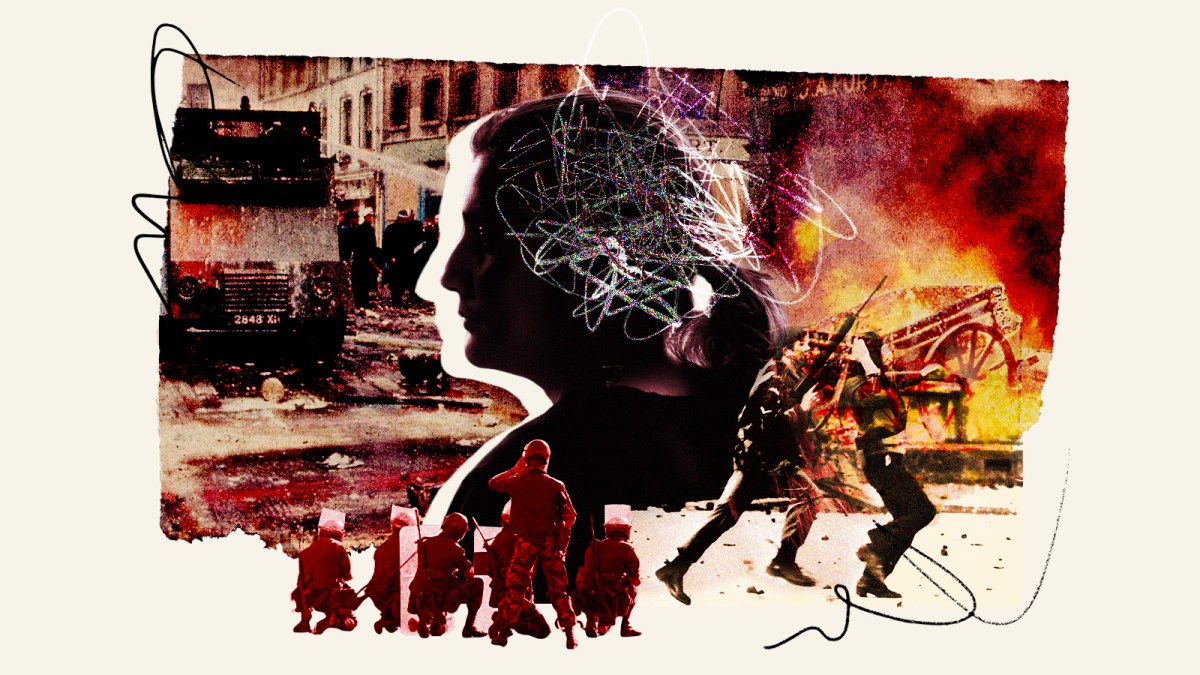
A recent study has found that nearly 5% of individuals over the age of 50 in Northern Ireland are living with post-traumatic stress disorder (PTSD). Conducted by researchers from Queen’s University Belfast and Trinity College Dublin, the study highlights the long-term impact of the civil conflict known as The Troubles, which officially ended over 25 years ago.
The research involved an analysis of data from 2,142 adults aged 50 and above, gathered through the Northern Ireland Cohort for the Longitudinal Study of Ageing (Nicola). The findings reveal that nearly 60% of those diagnosed with PTSD attribute their condition to traumatic experiences related to The Troubles. This statistic underscores the enduring psychological scars left by the conflict, suggesting that the effects of such trauma can persist long after the violence has ceased.
Long-Term Consequences of Conflict
The authors of the study emphasize the pressing need to understand the long-term neurocognitive consequences of trauma resulting from civil conflict. They pointed out that, as global armed conflicts escalate, civilians often bear the brunt of the violence, which raises significant public health concerns. The study indicates that the ramifications of conflict-related trauma are particularly pronounced among older adults, who may struggle with PTSD as they navigate the later stages of life.
In their report, the researchers noted, “Given the global escalation of armed conflicts and the disproportionate burden borne by civilians in modern hybrid warfare, understanding the long-term neurocognitive consequences of conflict-related trauma is a pressing public health priority.” This statement highlights the broader implications of their findings, suggesting a critical need for increased awareness and resources dedicated to mental health care for those affected by such traumatic experiences.
As Northern Ireland continues to heal from the legacy of The Troubles, the study serves as a reminder of the importance of addressing mental health issues stemming from historical conflicts. The research findings may prompt policymakers and health professionals to consider targeted interventions for older adults suffering from PTSD, ensuring they receive the support needed to cope with their experiences.
In conclusion, the study sheds light on a significant public health issue in Northern Ireland, revealing that the scars of past violence continue to affect a notable segment of the population. As the region moves forward, prioritizing mental health care for those impacted by historical trauma will be essential in fostering a healthier future for older adults.