A significant upheaval at the BBC has unfolded following a series of breaches of its impartiality guidelines. In November 2023, Tim Davie, the director-general of the BBC, announced his intention to step down from his role. His departure is not immediate; he stated he is “working through” the transition to ensure a smooth handover in the coming months. This decision follows mounting concerns regarding the corporation’s commitment to impartial reporting.
The controversy ignited after a segment of a Panorama episode edited remarks made by former US President Donald Trump, leading to widespread criticism from viewers and licence fee payers. This incident marked only one of several high-profile cases that have raised questions about the BBC’s adherence to its own impartiality standards.
High-Profile Breaches and Consequences
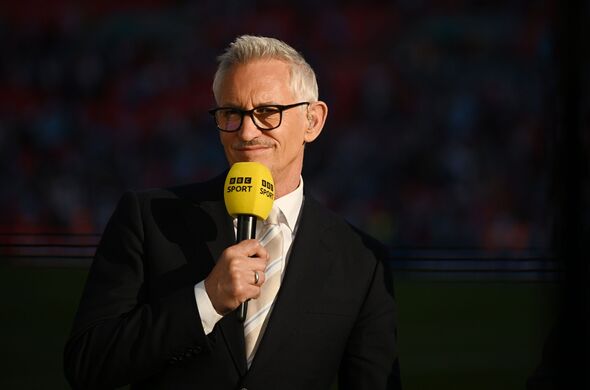
Several prominent figures within the BBC have faced scrutiny for their public statements, prompting reactions from the organisation. Gary Lineker, a well-known sports presenter, was among those who came under fire for perceived bias in his commentary, which resulted in a significant backlash. Following his comments, Lineker was temporarily suspended, highlighting the BBC’s strict stance on impartiality.
While some individuals have publicly amended their statements or offered apologies, others have faced more severe repercussions, including termination of contracts. The internal review process initiated by Davie aims to address these issues and reinforce the BBC’s commitment to impartiality across its programming.
Concerns over impartiality are vital to the BBC’s reputation and its relationship with the public. The broadcasting corporation relies on funding from licence fees, and any perceived deviation from its impartial stance can lead to public outrage. The BBC’s leadership is now tasked with navigating these challenges while restoring public trust.
Future Directions and Leadership Changes
As Tim Davie prepares for his eventual departure, the BBC is at a critical juncture. The organisation must balance the need for free expression among its presenters with the requirement to uphold impartiality. This delicate balance will be crucial in the search for Davie’s successor, who will need to steer the BBC through these turbulent times.
The upcoming months will determine how the BBC recalibrates its approach to impartiality. With Davie’s leadership transition, it remains to be seen how the BBC will implement changes that satisfy both its staff and the licence fee payers who fund it. As the situation unfolds, the focus will be on ensuring that the BBC can maintain its role as a trusted source of news and information in an increasingly polarized media landscape.