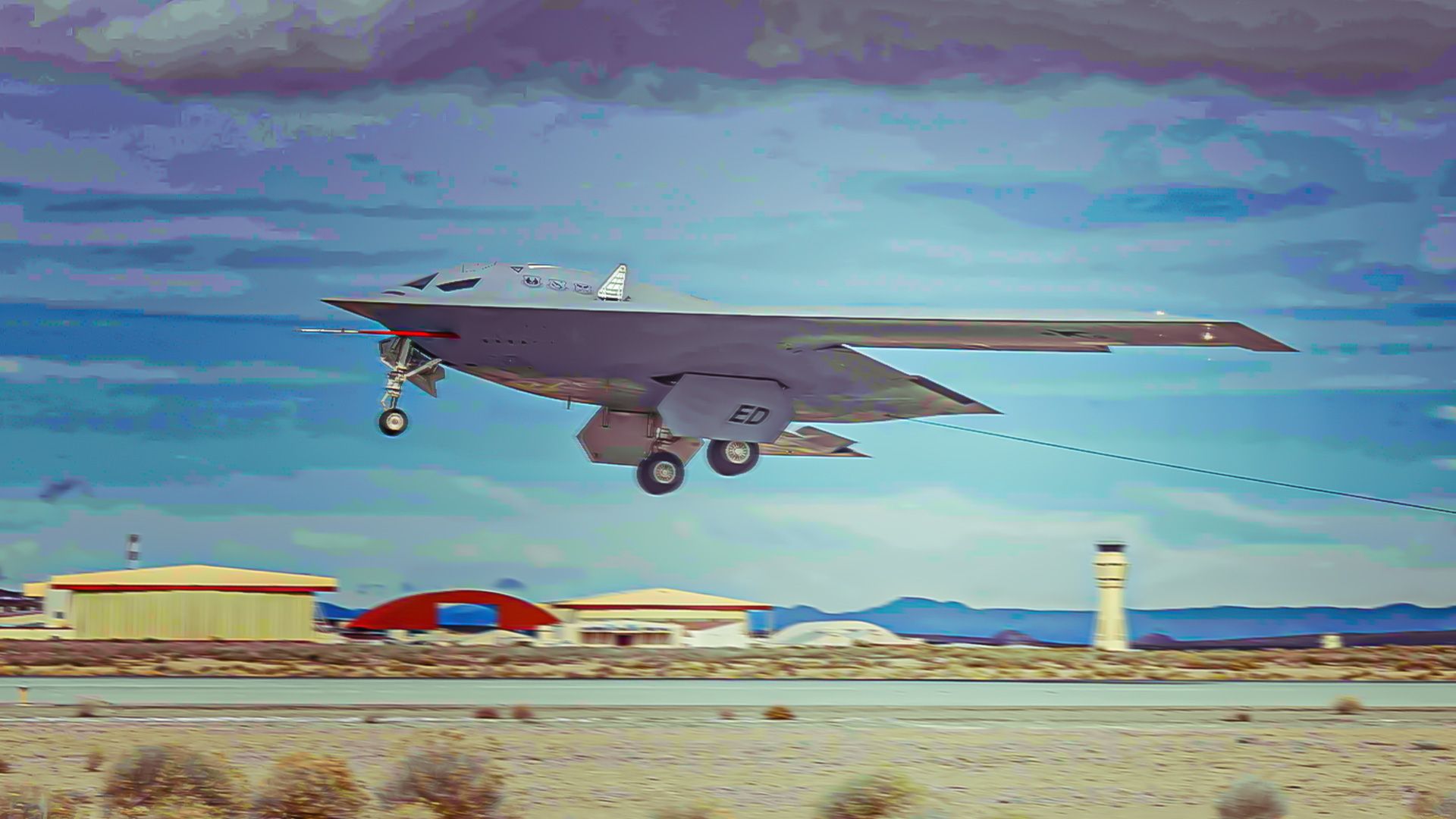
URGENCY ALERT: The US Air Force is on the brink of a historic transformation in military aviation with the upcoming deployment of the B-21 Raider, set to redefine aerial warfare. As the B-2 Spirit approaches retirement, critical comparisons between these two stealth bombers are emerging, spotlighting the B-21’s advanced technology and strategic capabilities.
The B-21 Raider is anticipated to enhance the Air Force Global Strike Command (AFGSC) with superior stealth and operational flexibility. While it is expected to have a lower maximum payload than the B-2, with only two engines, the new bomber could boast a longer range and improved fuel efficiency. This pivotal shift is crucial as the Air Force aims to procure at least 100 B-21s, dwarfing the 21 B-2s in active service.
With its first flight completed earlier this year, the B-21 is designed for a modern battlefield that prioritizes precision over sheer firepower. As military strategies evolve, the B-21’s capacity to coordinate with unmanned systems and advanced fighters like the Boeing F-47 positions it as a cornerstone of future air operations.
The newly released details suggest a significant redesign focused on ease of maintenance and lower lifecycle costs, addressing past challenges faced by the B-2. The B-21 is projected to have an average unit procurement cost of approximately $692 million, aiming to leverage established technologies to ensure reliability and reduce expenses.
In a bold move away from the B-2’s complex maintenance requirements, the B-21 can operate from a wider range of bases, enhancing operational unpredictability. This capability will improve the US’s ability to project power globally, making it harder for adversaries to target assets in a single coordinated strike.
Moreover, the B-21’s stealth technology is designed to counter advanced detection systems employed by nations like China and Russia. Its multispectral stealth capabilities will ensure that it remains undetectable across various detection spectrums, an essential feature in modern warfare.
The US Air Force plans to transition fully to a two-bomber fleet consisting of the B-21 and the B-52, phasing out the B-2. This strategy reflects a commitment to streamlined operations, significantly reducing the overhead costs associated with maintaining multiple aircraft types.
As the B-21 Raider prepares for its pivotal role within the AFGSC, the military is poised to leverage lessons learned from the B-2 program to enhance pilot and ground crew training. The anticipated overlap between the two platforms will ensure a seamless transition as the Air Force modernizes its fleet.
The first deployments of the B-21 are expected to reshape air combat strategies, enhancing the US’s strategic posture and ensuring readiness against evolving global threats. With the B-21 Raider on the horizon, military analysts and enthusiasts alike are closely monitoring these developments, recognizing that the future of aerial warfare is rapidly unfolding.
Stay tuned for more updates as the US Air Force continues to unveil the capabilities of the B-21 Raider, marking a new chapter in military aviation history.