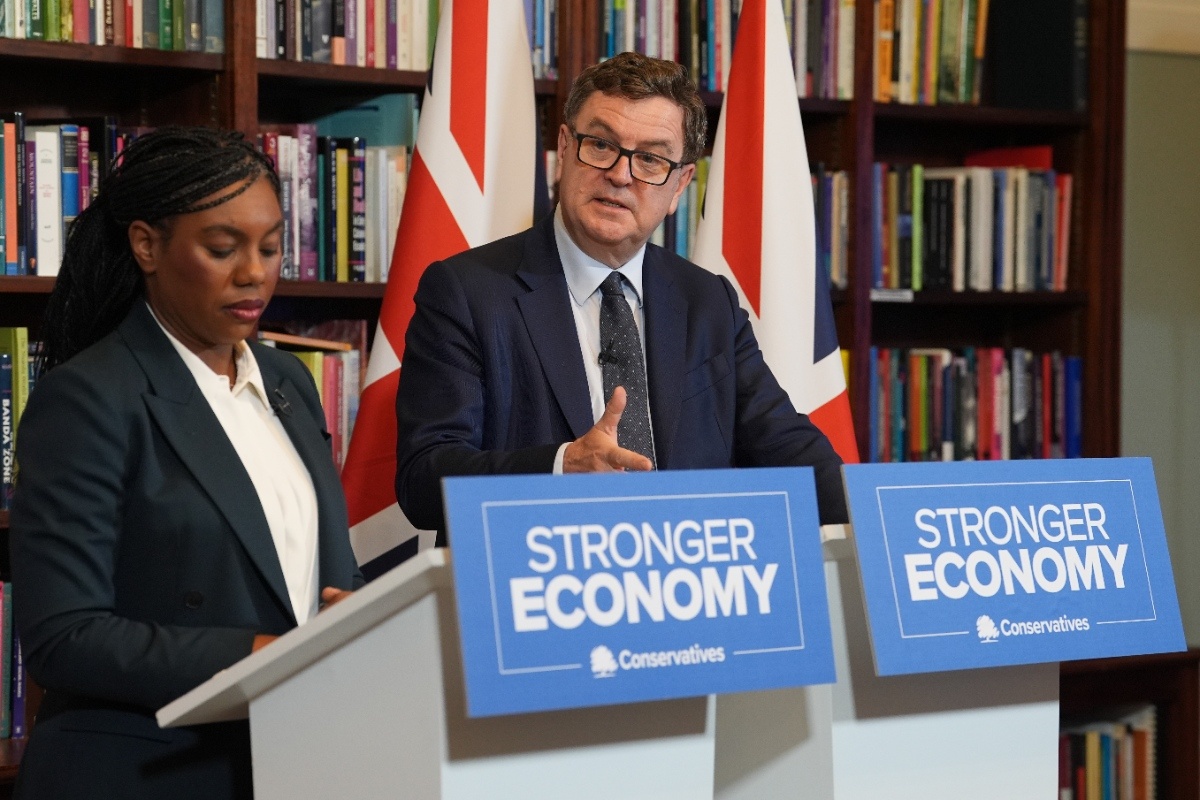
UPDATE: Shadow Chancellor Mel Stride has just announced an urgent call for a complete overhaul of regulations affecting UK banks, warning that without immediate action, the financial services sector risks losing its prominence. Speaking at the Financial Times Global Banking Summit, Stride emphasized the need for a “bonfire of regulation” to revitalize the City of London and avoid a potential drift in its global standing.
Stride’s comments come just days after City Minister Lucy Rigby stated that banks have been taken off the “naughty step.” Rigby highlighted her commitment to fostering a competitive market alongside a review of the controversial ring-fencing regime. However, Stride expressed significant concern that these measures are insufficient, insisting that the City needs to be “put into a rocket and turbo-charged.”
The implications of these calls for deregulation could be massive. If the government does not act swiftly, Stride fears the City and its financial institutions will struggle to maintain their competitive edge.
As tensions rise ahead of the November 26, 2023 Autumn Budget, UK banks have already faced a tumultuous period. Amid speculation of a potential tax raid, shares of major banks have fluctuated dramatically. For instance, Natwest endured a staggering 5% decline in a single trading session, losing nearly £2.5 billion in market value due to proposed taxes on profit “windfalls” from quantitative easing suggested by the Institute for Public Policy and Research (IPPR).
Despite the chaos, a silver lining emerged when banks were spared from a cash raid. In the 24 hours following the Budget announcement, major financial players made substantial commitments to invest in the UK economy. JP Morgan revealed plans to build a £10 billion tower in Canary Wharf, while Goldman Sachs pledged “several billion pounds” towards UK infrastructure, creating an additional 500 jobs at its Birmingham site.
Additionally, Lloyds Banking Group unveiled a massive £35 billion finance package aimed at companies investing in the UK by 2026. Similarly, Barclays promised to enhance its support for UK businesses and consumers with a further £45 billion in lending.
As the Autumn Budget approaches, all eyes will be on Chancellor Rachel Reeves to navigate the pressures from both sides of the House of Commons. The coming weeks will be critical as the financial sector awaits clarity on government plans, and Stride’s push for deregulation could significantly alter the landscape of UK banking.
In summary, the urgency of Stride’s remarks highlights a pivotal moment for UK banks as they navigate a complex regulatory environment. With significant investments on the horizon, the financial sector must adapt rapidly to maintain its competitive status on the global stage.
Stay tuned for updates as this story develops.