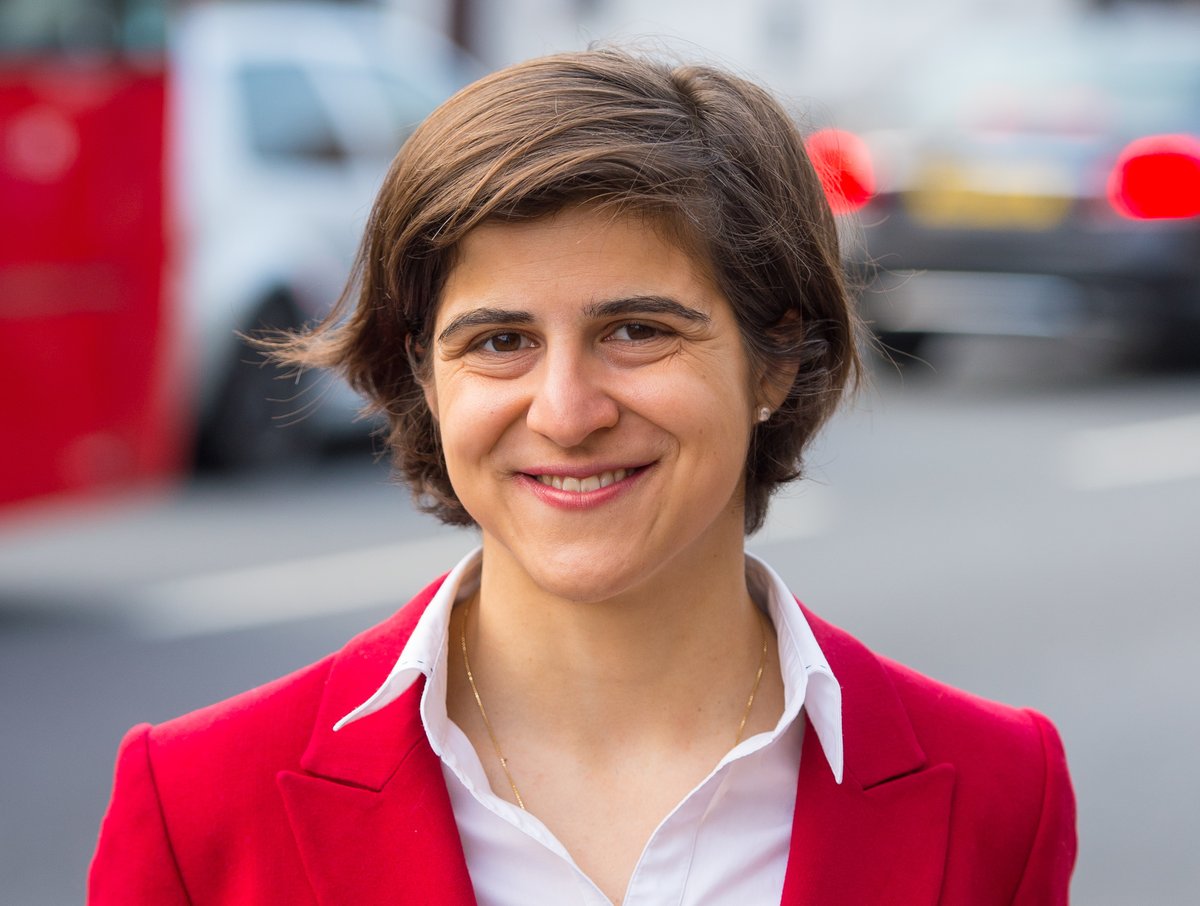
Justice Minister Sarah Sackman has expressed her concerns about personal safety while walking home at night in London, highlighting a growing crisis of violence against women and girls. Speaking on BBC Newsnight, Sackman emphasized the need for government action to address these threats following the release of the Angiolini Inquiry. This inquiry was initiated after the tragic murder of Sarah Everard by former police officer Wayne Couzens in March 2021.
Sackman described the findings of the inquiry as “absolutely shocking,” noting the societal patterns contributing to the alarming rates of violence against women. She stated, “We can all cast our minds back to the day where we heard about the murder of Sarah Everard… It’s one of the most visceral examples of what we have in our society, which is an epidemic of violence against women and girls.”
In her remarks, Sackman pointed to the government’s ambition to halve violence against women and girls, stressing the urgency of the situation. She acknowledged her own fears, stating, “Walking home at night, I do look over my shoulder. We can’t have that.” Her comments reflect a broader sentiment among women in the UK who feel unsafe in public spaces.
The inquiry’s report reveals systemic failures in addressing sexual crimes against women. It highlighted that a significant number of police forces—approximately 26 percent in England and Wales—lack specialized policies for investigating sexual offences, including non-contact crimes like indecent exposure. Lady Elish Angiolini, who led the inquiry, lamented the absence of reliable data on sexual crimes, stating, “Basic questions cannot be answered.”
Angiolini’s findings indicate a “critical failure” in understanding the extent of sex crimes against women. She noted the difficulty in obtaining comprehensive data, which hampers the ability to assess the effectiveness of preventative measures. “If this data is not being gathered and recorded consistently across forces, how can it be analysed to spot patterns in offending?” she questioned.
The inquiry also underscores the need for a shift in focus from changing women’s behaviour to preventing crimes committed by perpetrators. Angiolini pointed out that the current data on offenders is “limited and disjointed,” complicating efforts to tackle the issue effectively.
In a poignant statement to the inquiry, Susan Everard, mother of Sarah Everard, shared her ongoing grief and the emotional turmoil caused by her daughter’s murder. “I go through a turmoil of emotions – sadness, rage, panic, guilt, and numbness,” she expressed, illustrating the profound impact of such violence on families and communities.
Sackman assured that the government is taking steps to improve safety for women and girls. Initiatives include the introduction of domestic abuse specialists in emergency call centres, expedited justice for victims of serious sexual violence, and the piloting of domestic abuse protection orders.
As the nation grapples with these significant issues, Sackman’s statements and the findings of the Angiolini Inquiry may serve as a catalyst for urgent reforms aimed at ensuring the safety and dignity of women in public spaces across the UK.