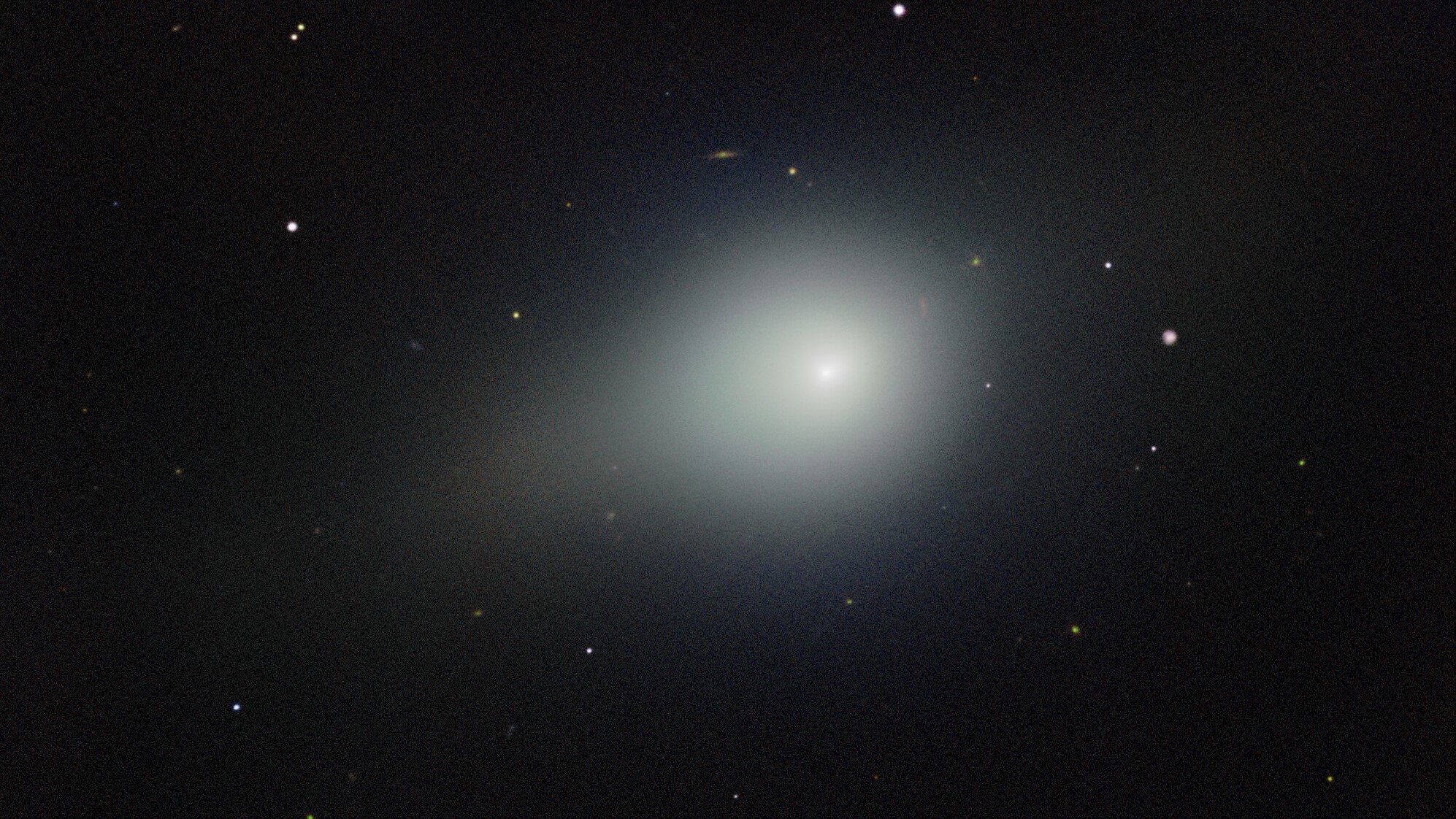
Astrophysicists have unveiled a remarkable collection of “debris disks” from various exoplanetary systems, thanks to observations made with the SPHERE instrument located at the European Southern Observatory’s (ESO) Very Large Telescope in Chile. These findings provide significant insights into the presence of asteroids and comets in far-off solar systems, enhancing our understanding of their formation and evolution.
The data, collected in March 2024, showcases distinct features that are indicative of the complex processes at play in these distant systems. The debris disks serve as evidence of the remnants left over after planet formation, suggesting the presence of smaller celestial bodies that can affect the dynamics of their surroundings.
Unprecedented Observations at the Very Large Telescope
The SPHERE instrument has been instrumental in capturing high-contrast images of these disks, allowing astronomers to analyze their composition and structure in detail. ESO’s Very Large Telescope, situated at the Paranal Observatory, is renowned for its advanced capabilities, making it a focal point for astronomical research.
The observations have revealed that these debris disks are not merely remnants but are dynamic environments where processes akin to those in our own solar system occur. Researchers discovered various structures within the disks, including gaps and clumps, which are reminiscent of those found in the asteroid belt of our planetary system.
According to the lead researcher, Dr. Elena Gómez from the Institute of Astronomy at the University of Cambridge, “These observations are a significant leap forward in our understanding of how solar systems evolve. They provide a window into the processes that shape the architecture of planetary systems beyond our own.”
Implications for Understanding Planetary Formation
The findings have broader implications for our understanding of planetary formation across the universe. By studying these debris disks, scientists can infer the conditions that lead to the birth of planets and the potential for habitable environments. The presence of asteroids and comets is crucial, as they can deliver water and organic materials necessary for life.
The research also opens avenues for comparative studies between our solar system and others, providing a framework to understand the similarities and differences in their development. This could enhance future missions aimed at exploring exoplanets for signs of habitability.
In summary, the observations made by the SPHERE instrument at the Very Large Telescope represent a pioneering step in exoplanetary research. The identification of debris disks and their associated features offers a deeper understanding of the mechanisms that govern planetary systems. As researchers continue to analyze this data, the potential for new discoveries in the field of astronomy remains vast and exciting.