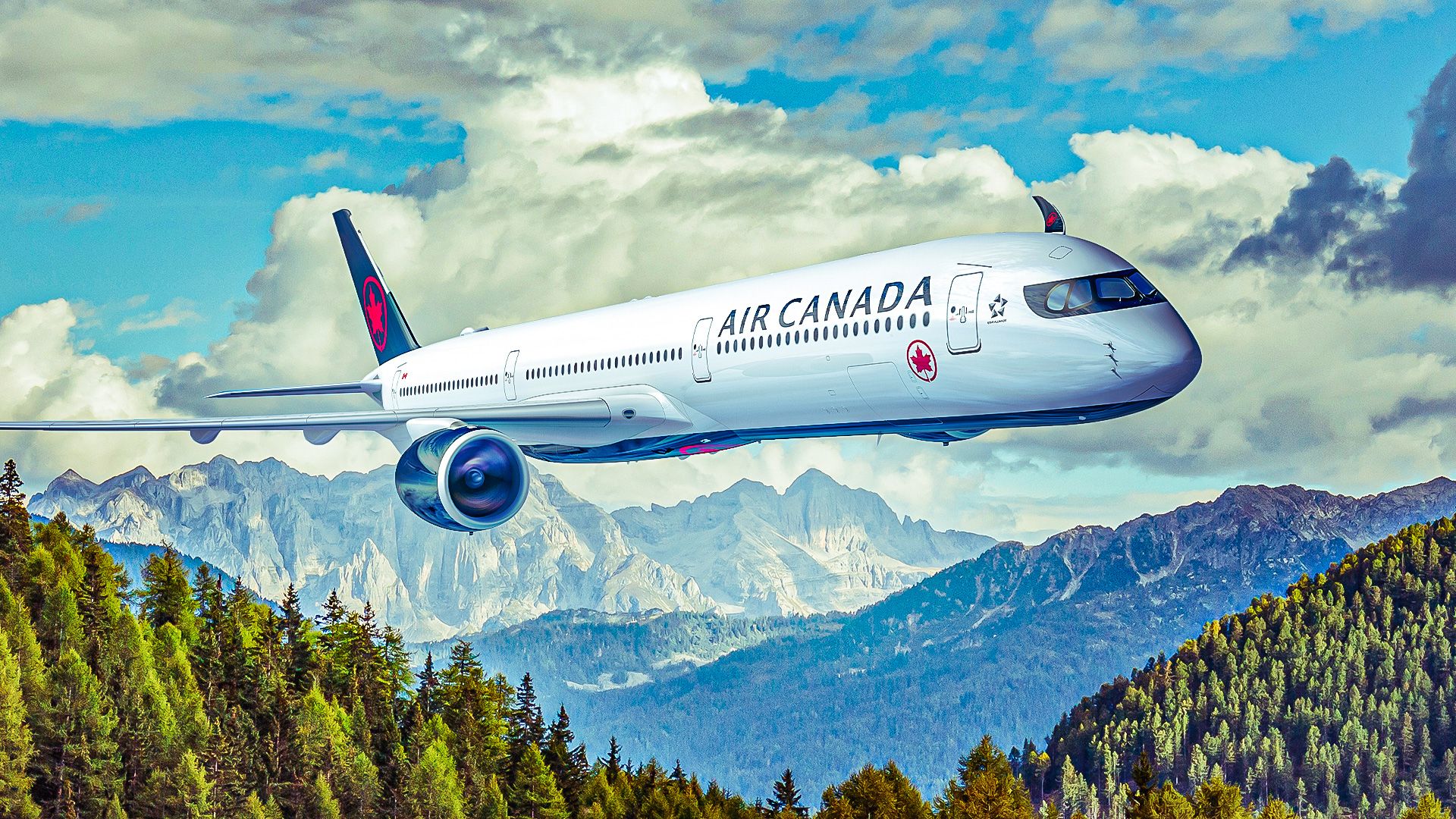
Air Canada has taken a significant step towards modernizing its long-haul fleet by ordering eight Airbus A350-1000 widebody jets. This announcement, made in February, positions the airline to expand its global reach, particularly to destinations in the Indian subcontinent, Southeast Asia, and Australia. The first deliveries of these aircraft are expected to occur from 2030, marking a pivotal moment in Air Canada’s fleet strategy.
Fleet Modernization Strategy
The decision to acquire the A350-1000 jets underscores Air Canada’s commitment to updating its aging fleet. Currently, the airline operates several long-haul aircraft, including 20 Airbus A330s, which average 19.3 years of age. Some of the oldest models include the Boeing 767-300s, with an average age of 32.3 years, still in service despite being brought back for use after delivery delays.
Air Canada’s current fleet demographics, drawn from data on Planespotters.net, reveal a pressing need for replacements. The breakdown includes:
– Airbus A220: 42 aircraft, average age 4.1 years
– Airbus A320: 16 aircraft, average age 22.6 years
– Airbus A321: 22 aircraft, average age 19.5 years
– Airbus A330: 20 aircraft, average age 19.3 years
– Boeing 737: 51 aircraft, average age 5.8 years
– Boeing 767: 6 aircraft, average age 32.3 years
– Boeing 777: 25 aircraft, average age 16.3 years
– Boeing 787: 40 aircraft, average age 9.1 years
The average age of the Boeing 777 variants, which form the backbone of Air Canada’s long-haul operations, raises concerns as they approach the end of their typical 20-year lifespan. The introduction of the A350-1000 is timely, as its first deliveries will coincide with the aging of the airline’s existing 777 fleet.
Advantages of the A350-1000
The A350-1000 is not only a replacement for the older 777 models but also offers enhanced operational efficiencies. With over 50 percent of its structure made from carbon composites, the A350-1000 is approximately 30 to 40 tonnes lighter than its aluminum counterpart, the 777-300ER. This reduction in weight, combined with advanced aerodynamics and engine technology, can result in a fuel burn reduction of up to 25 percent.
According to Airbus, the A350-1000 boasts the lowest operating cost per seat among widebody aircraft, making it an economically viable option. Mark Galardo, Air Canada’s Chief Commercial Officer, commented on the acquisition, stating that the aircraft represents “a natural next step in the evolution of [its] fleet,” as it will enhance the airline’s ability to explore new long-haul opportunities.
The A350-1000’s operational costs range from $8,500 to $9,500 per flight hour when considering fuel, crew, maintenance, and ownership expenses. This cost structure is comparable to the Boeing 787 Dreamliner, yet the A350-1000 offers a longer range and higher maximum payload, increasing its appeal for long-haul operations.
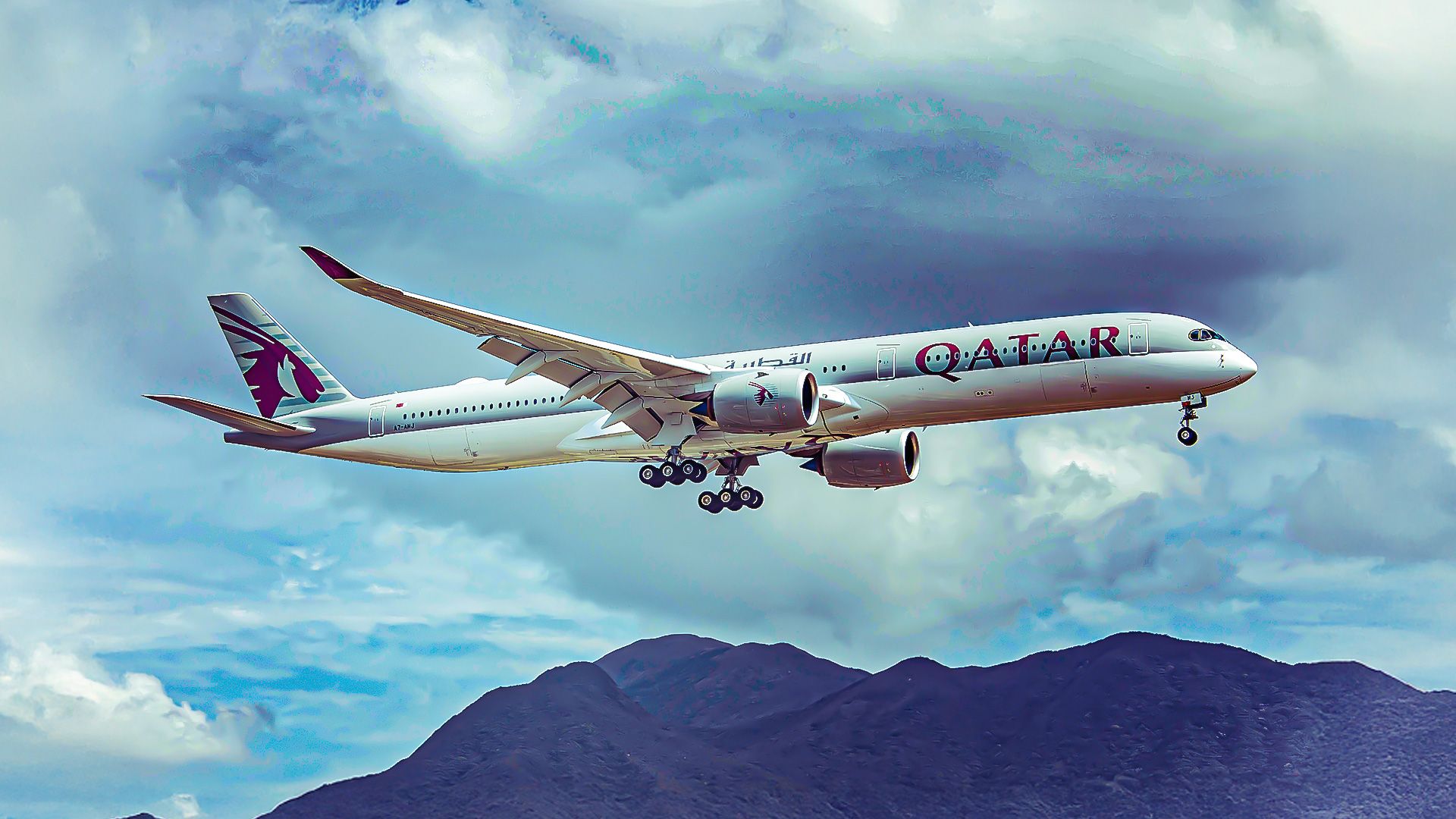
While Air Canada has opted for the A350-1000, it has chosen not to pursue Boeing’s latest model, the 777X, which has faced numerous delays and regulatory challenges. The first commercial flight of the A350-1000 took place with Qatar Airways in November 2016, giving it a significant head start over the 777X.
Future Routes and Expansion Opportunities
Air Canada’s initial order includes eight A350-1000 jets, with an option to increase that number to 16. Despite this potential expansion, the airline will still need to address the gap created by the retirement of older aircraft in the coming years. As the airline continues to modernize its fleet, the A350-1000 could play a crucial role in its long-term strategy.
Although specific routes for the A350-1000s have yet to be confirmed, the aircraft’s capabilities suggest a range of potential destinations. Air Canada is likely to focus on re-establishing routes to Asia from its Vancouver hub, as well as exploring new nonstop services from Toronto and Montréal. Recent data indicates a growing demand for flights between Canada and Asian cities, such as Bangkok, which saw 259,000 passengers in the past year.
The potential for reviving nonstop service to Melbourne is also on the table, complementing existing routes to Sydney and Brisbane. With the A350-1000’s operational efficiency and range, Air Canada is well-positioned to meet the rising demand for international travel in the post-pandemic landscape.
In summary, Air Canada’s order for the Airbus A350-1000 is not just a step toward modernizing its fleet but also a strategic move to enhance its competitive edge in the global aviation market. The anticipated arrival of these aircraft will facilitate the airline’s expansion into lucrative international markets while ensuring that it remains at the forefront of operational efficiency and passenger comfort.