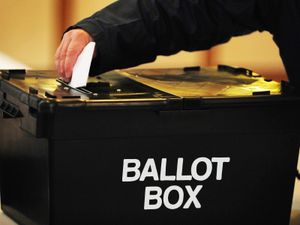
Councils across the United Kingdom are racing against time to organize local elections on May 7, 2024, following a significant policy reversal by the Government. This decision came after the initial announcement that elections would be postponed in light of planned local government reorganizations, prompting concerns about the feasibility of these changes.
The deputy chief executive of the Association of Electoral Administrators, Laura Lock, expressed her disappointment regarding the loss of critical planning time. She noted that returning officers and electoral staff had already invested months in preparation for elections now scheduled in 30 council areas. The sudden shift in policy has left these teams scrambling to meet the new timeline.
On Monday, the Government announced its decision to reverse the prior cancellation, following legal pressure from Reform UK. The party’s leader, Nigel Farage, is set to have his legal fees covered by the Government, amounting to approximately £100,000, after challenging the legality of the initial postponement. This legal advice prompted the Government to act swiftly to reinstate the elections.
Steve Reed, the Secretary of State for Housing, Communities and Local Government, acknowledged the genuine concerns voiced by councils about their ability to deliver these elections. “I recognize that many of the local councils undergoing reorganization voiced genuine concerns about the pressure they are under,” he stated. Nevertheless, calls for his resignation have intensified, particularly from Farage, who criticized the Government’s handling of the situation.
Matthew Hicks, leader of Suffolk County Council, emphasized the confusion created by the Government’s shifting decisions. He remarked, “Local councils across the country are experiencing whiplash as major Government decisions shift repeatedly and without warning.” This uncertainty complicates efforts to establish a new unitary authority in Suffolk, raising doubts about the overall effectiveness of the Government’s devolution plans.
Local leaders are expressing frustration over the impact of this U-turn on their administrative capabilities. Lynn Worrall, leader of Labour-run Thurrock Council, labeled the late reversal of the decision as disappointing. Furthermore, Richard Wright, chair of the District Councils’ Network, stated, “The councils affected face an unnecessary race against time to ensure elections proceed smoothly and fairly.”
The Government’s approach to this electoral challenge is further complicated by legal ramifications. The decision to proceed with the elections is seen as an attempt to provide clarity but has led to significant administrative challenges for councils. As preparations move forward, local authorities must now secure polling stations and ensure election staff are available.
City councils in locations such as Lincoln, Exeter, and Norwich, among others, are among those impacted by this decision. The elections were initially set to be canceled, affecting several districts and counties, including East Sussex and West Sussex.
In response to the unfolding situation, Conservative leader Kemi Badenoch criticized the Government, describing the reversal as “predictable chaos from a useless Government that cannot make basic decisions.” The Conservative Party has formally requested that Reed disclose the evidence behind the original decision to delay the elections, questioning whether political motivations played a role.
The Liberal Democrats and the Green Party welcomed the Government’s change of heart, signaling a desire for clarity and stability in local governance. As the situation develops, councils will need to quickly adapt to ensure that the upcoming elections proceed without further disruption. With £63 million allocated to assist local authorities undergoing changes, the Government aims to support councils in overcoming these logistical hurdles.
The unfolding scenario highlights the challenges faced by local governance in the UK and raises questions about the long-term implications of the Government’s devolution agenda. As councils work to finalize their preparations, the focus remains on ensuring that voters can participate in the democratic process come May.