The forthcoming celebrations marking the 250th anniversary of the United States have stirred discussions regarding the historical ties between American leaders and their roots in Ireland and Scotland. The Department of Communities is allocating funds for these commemorations, leading to debates on whether the spending will focus on meaningful education or merely serve as a platform for extravagant events.
Historically, the connection between the United States and the island of Ireland is significant. Historians remain divided on the exact number of U.S. presidents with Irish ancestry, estimating between 22 and 23. Regardless of the count, these figures illustrate a profound relationship, with nearly half of all presidential officeholders tracing their roots back to this small island. Early American presidents often hailed from the north-east of Ireland and the planter class, yet their political stances diverged sharply from those of their Irish relatives who remained under British rule.
Many of these early leaders were influenced by radical thoughts stemming from events such as the French Revolution and the writings of political philosopher Thomas Paine, author of *The Rights of Man*. Their ideologies closely aligned with those of the United Irishmen, including figures like Wolfe Tone and Robert Emmett. As Northern Ireland reflects on its heritage during these celebrations, understanding this historical radicalism may provide valuable insights into its own political narratives.
Interestingly, some of the Scots-Irish who remained in Ireland fought on the British side during the colonial wars, opposing the quest for independence by their American relatives. The founders of the United States, driven by principles of independence, liberty, and individual freedoms, sought to reject imperialism. However, their vision did not extend to people of color at the time, revealing a complex legacy.
The founding fathers, including George Washington, James Madison, John Adams, and Thomas Jefferson, were known for their integrity and dedication to public service. In stark contrast, current discussions regarding President Donald Trump and his administration’s perceived corruption raise questions about the values these leaders sought to uphold. Historical figures like Andrew Jackson, known for his controversial views, acknowledged the dangers of governmental corruption, asserting that the affluent often manipulate governmental actions for personal gain.
The ties between the United States and Ireland are further illustrated by significant appointments, such as Washington’s selection of Mr. J. Holmes from Belfast as the second consul in 1796. This consulate aimed primarily at enhancing trade ties, while Dublin would not see its first US consulate until 1859 under President James Buchanan, whose roots trace back to Ramelton, Donegal, and is often ranked among the least effective U.S. presidents.
The heritage of Irish and Scots-Irish American presidents predominantly stems from Protestant backgrounds, with few Catholic presidents, namely John F. Kennedy and Joe Biden. Notably, Charles Carroll, an Irish Catholic and one of the signatories of the Declaration of Independence, exemplifies the diverse backgrounds that shaped the nation’s early governance.
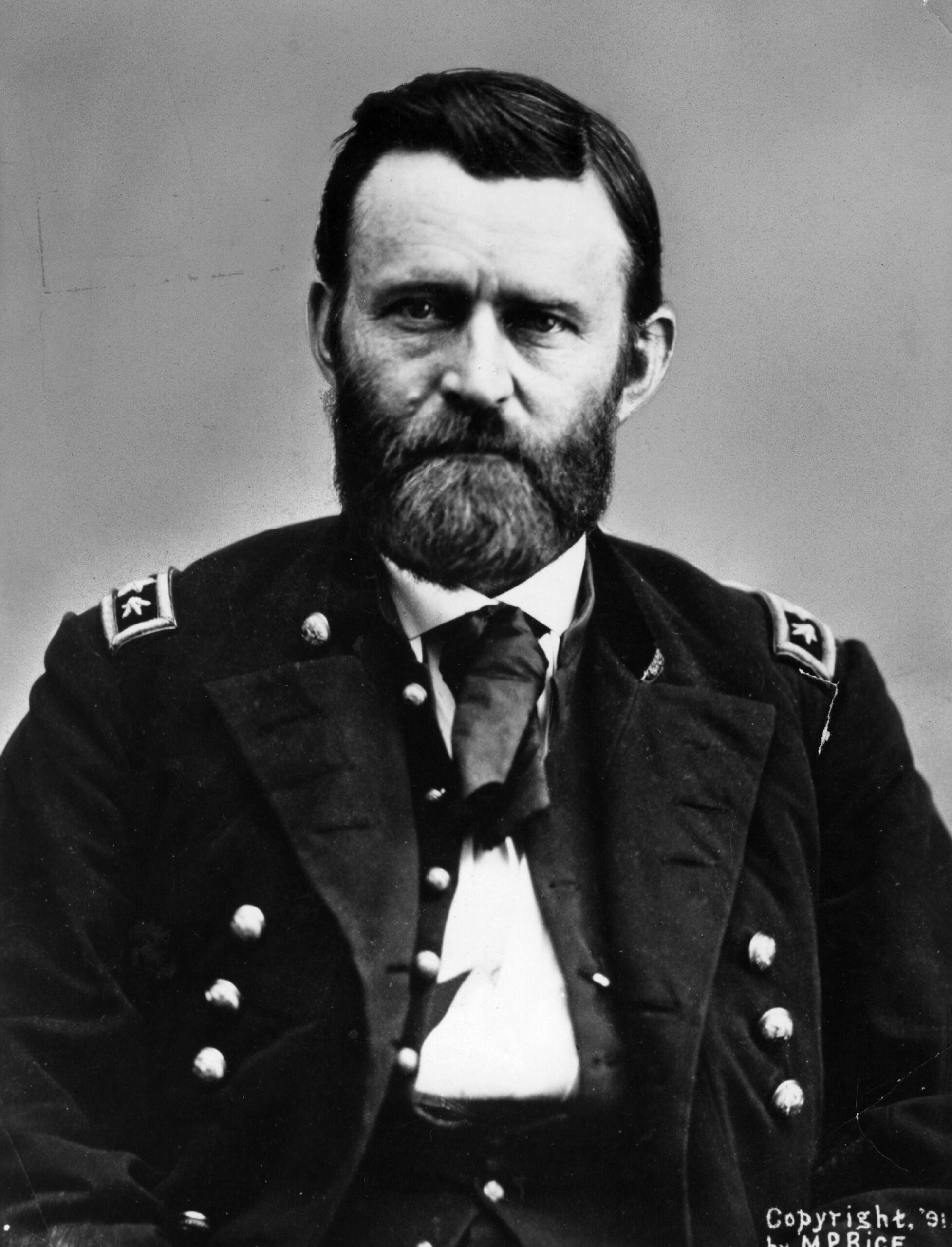
Throughout history, the relationship between American presidents and Ireland has been multifaceted. The first U.S. president to visit Ireland after leaving office was Ulysses S. Grant, whose family came from Tyrone. In 1879, he received honorary citizenship from both Dublin and Derry. By the time Ronald Reagan visited, he faced protests against U.S. foreign policies, an indication of the evolving U.S.-Irish relations.
Currently, the presidency lacks Irish heritage, and tensions surrounding foreign policies and tariffs have led to unpopularity. The Vice President, with roots in rural America, faced scrutiny for his cultural representation during official visits, highlighting the ongoing complexities of American identity.
As the 250th anniversary celebrations approach, the narrative surrounding Irish and Scots-Irish influence on the foundation of the United States remains a poignant topic. These historical ties offer a lens through which to view the shared struggles for liberty and the fight against tyranny that shaped both nations.
The opportunity for education and discussion during this landmark anniversary could foster a deeper understanding of these radical histories, enriching the narrative of both the United States and Northern Ireland.