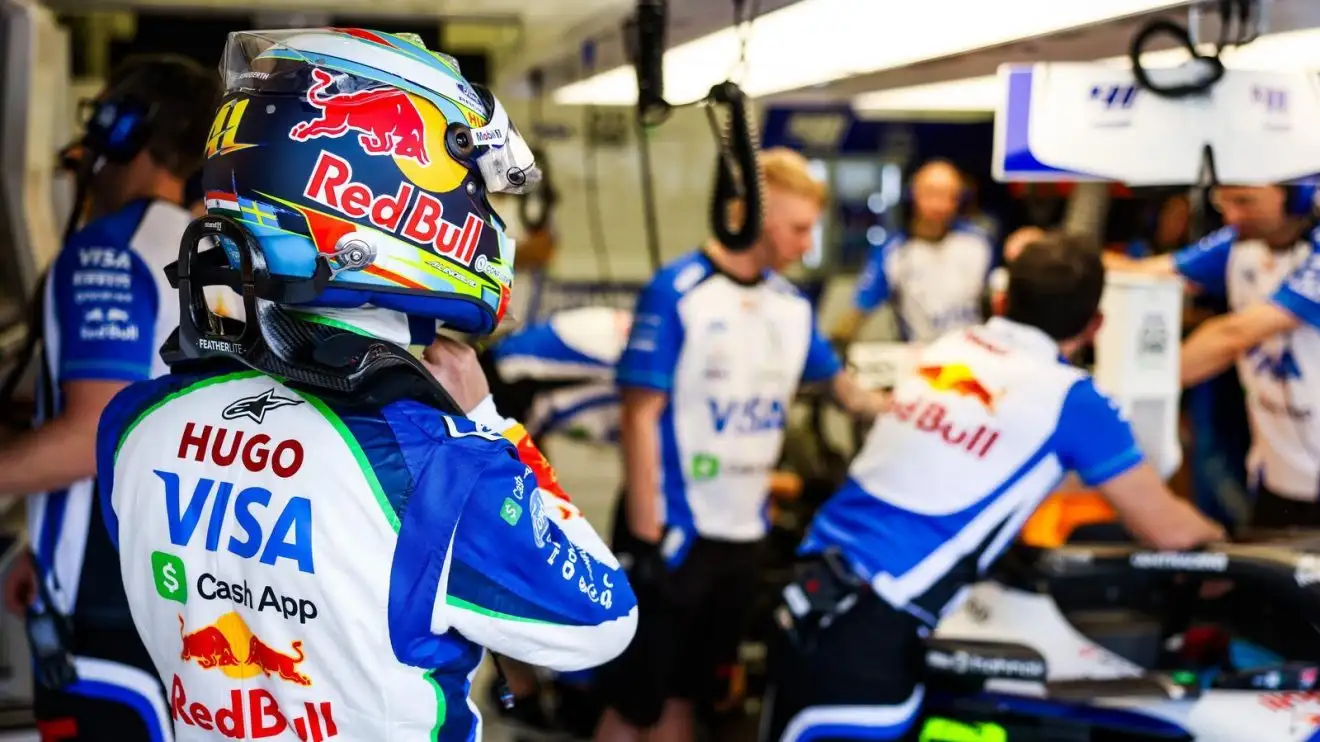
The recent testing session in Bahrain has highlighted that the new 2026 Formula 1 regulations will significantly alter the dynamics of both Formula 1 and Formula 2 racing. These changes, which prioritize energy management, are expected to widen the gap between the two series, making the transition for drivers more challenging than ever.
Under the new regulations, Formula 1 cars will feature a balanced approach with a 50/50 split between combustion and electrical power. This shift places a heavy emphasis on energy recovery and deployment, making the cars not only faster but also more complex to drive. The introduction of active aerodynamics enhances straight-line efficiency but compromises peak cornering performance, altering the strategies drivers must employ during races.
As drivers took to the track in Bahrain, opinions about the new cars varied considerably. Many reported that the vehicles are more difficult to handle, requiring greater physical effort as they slide through corners. Notably, drivers expressed a desire for speed, with a consensus emerging that these cars lack the enjoyment they experienced with previous models. The new energy management requirements are counterintuitive; drivers now face the necessity of lifting off the throttle on straights and downshifting to regenerate energy, which can impact their overall lap times.
Oscar Piastri, a driver present during the Bahrain tests, articulated the challenges posed by the new regulations. “There’s a lot of things that we’ve never had to do before,” he noted. “It’s pretty tough to undo some of those habits, especially when you’ve been driving a certain way for the last 15 years.”
Echoing Piastri’s sentiments, Alex Albon emphasized the need for drivers to understand the intricacies of the new power units. “As a driver, you do whatever it takes to be the best you can be,” he stated. Albon believes that those who invest time in understanding the engines and their operation will find a competitive edge.
The graduation of young driver Arvid Lindblad with Racing Bulls coincides with this regulatory overhaul, putting him on equal footing with more experienced racers. However, entering the grid in 2027 means competing against those who will already be familiar with the new energy strategies developed over an extensive testing period.
Historically, a performance gap has existed between Formula 2 and Formula 1. The 2026 regulations alter this landscape fundamentally. The challenge now lies not only in speed but also in mastering new driving techniques, including energy deployment and braking strategies. This increased technical complexity raises the stakes for inexperienced drivers, making it more difficult for them to step up and compete effectively in Formula 1.
Liam Lawson, another driver with experience across various racing categories, remarked on the distinctive nature of the new cars. “They’re unlike anything I’ve ever driven,” he stated. Lawson added that while the performance gap has always been substantial, the differences in driving style have become even more pronounced, potentially making the transition from Formula 2 to Formula 1 even more daunting.
New drivers will face a learning curve that takes time to navigate. Competing against seasoned racers who are already attuned to the energy management demands will further complicate their entry into the sport. Although there are opportunities for practice during Free Practice 1 sessions, the benefit of prior experience in F1 cars remains unmatched.
The complexities of these new requirements raise questions about the feasibility of rapidly promoting drivers from Formula 2 to Formula 1. As the series continues to evolve, the technical demands and the associated risks of introducing inexperienced drivers may lead to a reevaluation of promotion strategies.
As Formula 1 prepares for its 2026 season, the implications of these regulations are far-reaching. The gap between the two series is not merely a matter of speed; it encompasses the skills and strategies required to excel in this new era of racing. The transition promises to be more challenging than ever, and as the sport embraces this change, the expectations for new entrants must be adjusted accordingly.
For those following the developments in Formula 1, it is clear that the road ahead will demand adaptability and a deep understanding of the evolving technologies that define the sport.