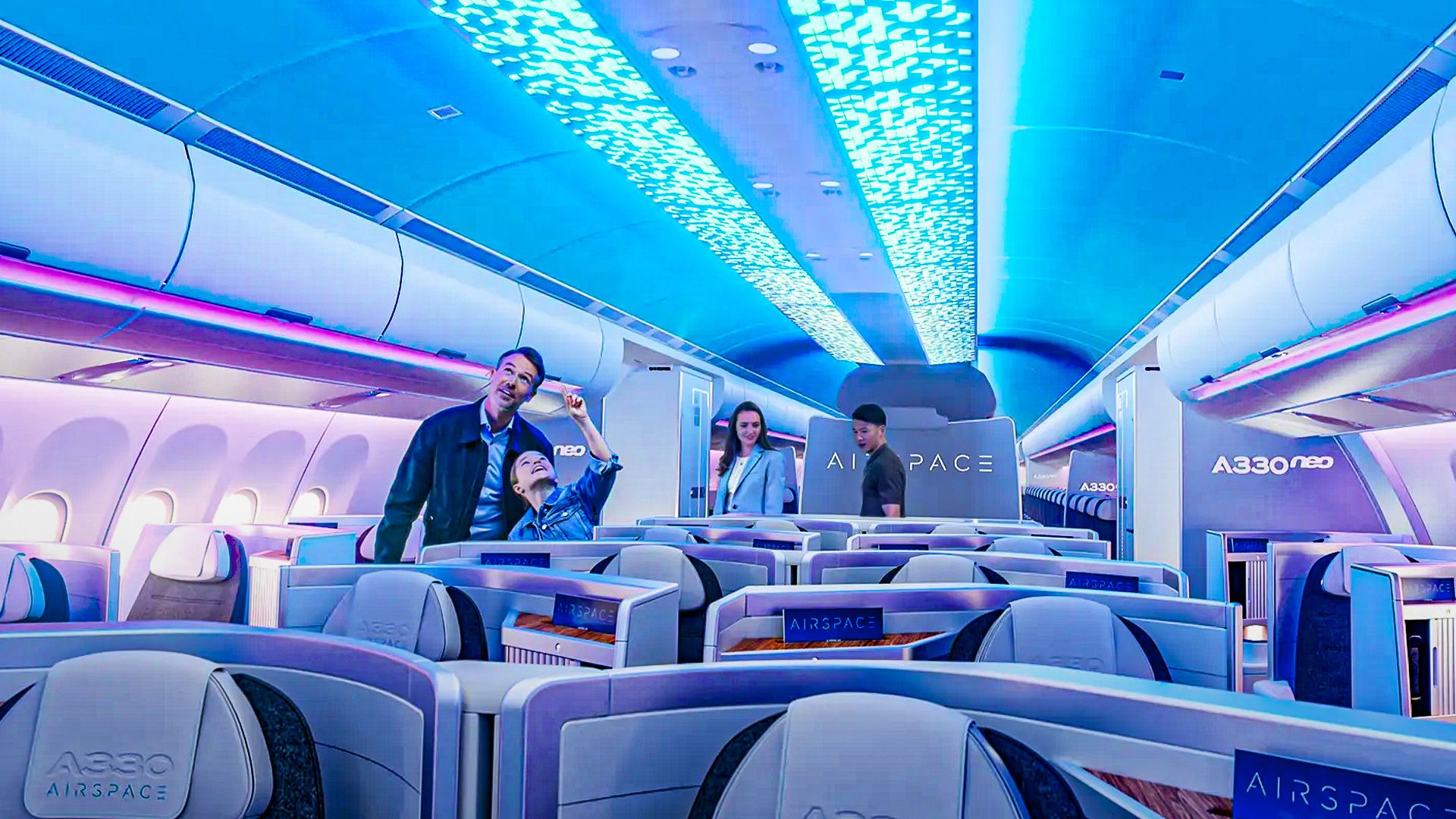
Airbus has unveiled its latest cabin innovation, the Airspace cabin, which aims to redefine the passenger experience across its new aircraft models, including the A220, A320neo, A330neo, and A350. This new approach prioritizes passenger comfort and well-being while enhancing operational efficiency for airlines. By transitioning from a focus solely on aircraft density to a more human-centric design philosophy, Airbus is shaping a new era in inflight environments.
The Airspace cabin is recognized as a leading cabin brand, allowing airlines to create a tailored experience that promotes passenger loyalty. With options for economy, premium economy, business, and first-class configurations, airlines can customize the cabin to fit their specific branding needs. The design also includes 60% larger overhead bins, which streamline boarding processes and enhance customer satisfaction.
Benefits for Airlines and Passengers
Airbus’ innovative Airspace cabin provides significant advantages for airlines aiming to maximize revenue and improve customer experiences. The cabin’s functionality is optimized to reduce maintenance time on the ground, allowing quicker turnaround between flights. This operational efficiency, combined with a contemporary design that resonates with customers, supports an airline’s brand consistency. Passengers can expect a familiar environment across different Airbus aircraft, enhancing their overall travel experience.
The modular design of the Airspace cabin allows airlines to easily adapt their interiors based on evolving market demands. This flexibility means that airlines can swap out seating modules to adjust cabin classes without altering the aircraft’s structural integrity. Such adaptability is both cost-effective and minimizes downtime, keeping the aircraft operational.
Airbus’ Design Philosophy and Future Vision
Airbus has established a unified design DNA across its aircraft, emphasizing attributes such as Comfort, Ambience, Services, and Design. This framework ensures a consistent experience for passengers, regardless of whether they are flying short or long distances. The Airspace Cabin Vision 2030 outlines ambitious plans for future inflight experiences, incorporating personalized boarding processes and digital innovations. Features will include AI-driven cabin management, customizable seating, and advanced lighting systems designed to enhance passenger well-being.
The Airspace cabin is also designed to prioritize passenger and crew comfort. Notably, the cabins are among the quietest in their class, featuring LED mood lighting that adjusts to support passengers’ circadian rhythms during long-haul flights. With ergonomic seating and redesigned lavatories, the cabin promotes relaxation and enhances the overall travel experience.
While Airbus has made significant strides in cabin design, Boeing is also developing its own improvements. Boeing’s Sky Interior on the 737 and advancements in the 787-9 Dreamliner and upcoming 777X aim to enhance passenger comfort through modern aesthetics and advanced technology. Darren Hulst, Boeing’s Vice President of Commercial Marketing, noted that although they do not currently have a branded interior concept like Airbus’s Airspace, they are exploring various architectural designs to improve the passenger experience.
As air travel continues to evolve, both Airbus and Boeing are embracing new technologies to create more enjoyable and efficient flying environments. With awards such as the iF Product Design Award and the Red Dot Design Award, Airbus’ Airspace cabin stands out for its innovative approach to cabin design and passenger comfort.
In summary, the Airspace cabin represents Airbus’s commitment to transforming the aircraft experience through human-centric design. With a focus on passenger well-being and operational efficiency, Airbus is setting new standards for the aviation industry, ensuring that flying remains a comfortable and enjoyable experience. The future looks promising with the Airspace Cabin Vision 2035+ aiming to further enhance passenger experience while prioritizing sustainability and innovative materials.