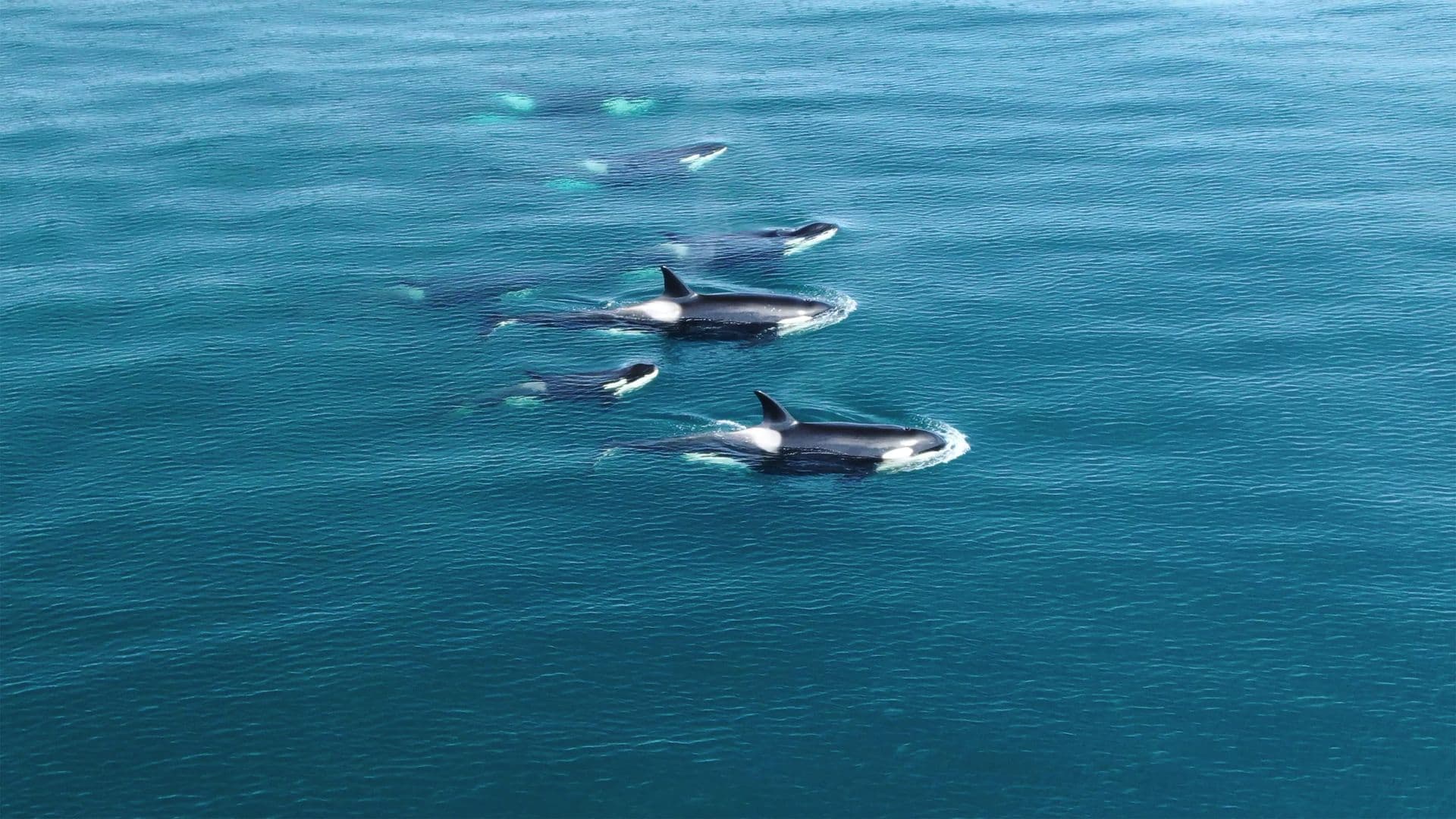
BREAKING: New research confirms that orcas, also known as killer whales, are communicating with an entirely new language, previously undocumented by scientists. This alarming discovery comes amid reports of orcas attacking yachts off the coast of the Gibraltar Strait, highlighting the urgent need for understanding these marine predators.
Scientists have long known that orcas possess sophisticated communication skills, with different populations exhibiting unique “dialects.” However, the newly identified language among a specific group of orcas attacking yachts is a groundbreaking revelation that could change the way we understand these intelligent creatures, according to Unilad.
This particular pod, led by a female orca named Vajth Gladis, has shown an unprecedented level of silence compared to typical orca behavior. Researchers have documented about 700 incidents of these attacks, which have included the sinking of multiple yachts and sparked widespread discussion on social media regarding the implications for luxury yacht owners.
Dr. Reno de Stefnis, a marine biologist who has studied orcas for over 30 years, stated, “These orcas were thought to be very quiet. We have now realized that their calls are completely, completely different from all others. It’s like discovering a new human language in the middle of Europe.”
The study, published in the Journal of Marine Science and Engineering, identified vocalizations from approximately 40 orcas that travel from the Gibraltar Strait to the Atlantic coast of the Iberian Peninsula, occasionally reaching the English Channel. Notably, only around 15 orcas from this group participate in the yacht attacks, which suggests a specialized communication method used exclusively for these encounters.
The implications of this discovery are profound. Dr. De Stefnis emphasized that the differences in communication are vast, suggesting these orcas may not understand other populations, similar to the distinction between Arabic and Latin languages. This raises pressing questions about how orcas interact with each other across different regions and the potential impacts on their behavior and hunting strategies.
While orcas are apex predators with no natural enemies, their intelligence and physical prowess make them formidable hunters. They prey on a wide range of marine life, including herring, blue whales, and even great white sharks. Despite their aggressive hunting skills, there has never been a recorded incident of orcas fatally attacking humans in the wild, although there have been cases in captivity.
As these developments unfold, the research community urges boaters and yacht owners to remain vigilant in the waters around Gibraltar. The unique behavior of this orca pod not only poses risks to luxury vessels but also raises critical concerns about the impact of human activities on marine ecosystems.
This urgent discovery is expected to spark further research and monitoring of orca populations, as scientists aim to uncover the full implications of this new language and its effects on both orcas and their interactions with humans. Stay tuned for more updates as this story develops.