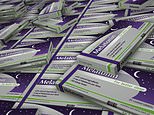
A recent investigation by consumer watchdog Which? has revealed that the sleep supplement melatonin is being sold illegally on social media and various online marketplaces in the UK. This medication, which is available only by prescription in the country, has gained popularity for its purported benefits in aiding sleep.
The investigation highlights that numerous sellers are advertising melatonin without the necessary regulatory approvals, raising significant health concerns. The findings indicate that individuals seeking relief from sleep disturbances are increasingly turning to these unauthorized channels. This poses risks not only due to the potential for counterfeit products but also because users may not receive proper medical advice on appropriate dosages and usage.
Which? found that listings for melatonin are prevalent on platforms like Instagram and Facebook, as well as on popular e-commerce sites. These channels are often used to target individuals who may be struggling with sleep issues, offering promises of quick and easy solutions without the safeguards that typically accompany prescription medications.
The legality of purchasing melatonin without a prescription stems from concerns over its safety and efficacy. Regulatory authorities in the UK have established strict guidelines to ensure that such medications are dispensed only when deemed necessary by a qualified healthcare professional. The lack of oversight in online sales raises alarms about the potential for misuse and adverse effects.
In response to these findings, health experts are urging consumers to be cautious when considering online purchases of melatonin. Without proper guidance, individuals may risk their health by self-medicating. The potential for serious side effects, particularly when combined with other medications, underscores the importance of consulting a doctor before starting any new treatment.
The investigation has prompted calls for stricter enforcement of regulations governing online sales of prescription medications. Consumer safety advocates are emphasizing the need for platforms to take greater responsibility in monitoring and removing illegal listings. They argue that more robust measures are essential to protect vulnerable populations from unverified products.
As the demand for sleep aids continues to rise, the issue of illegal sales of melatonin serves as a critical reminder of the importance of adhering to established health guidelines. Consumers are encouraged to seek professional medical advice and to utilize legitimate channels for obtaining prescription medications to ensure their safety and well-being.
In conclusion, the sale of prescription-only melatonin without proper oversight is not only illegal but also poses significant health risks. The findings from Which? underscore the urgent need for both regulatory authorities and online platforms to work together to safeguard public health.