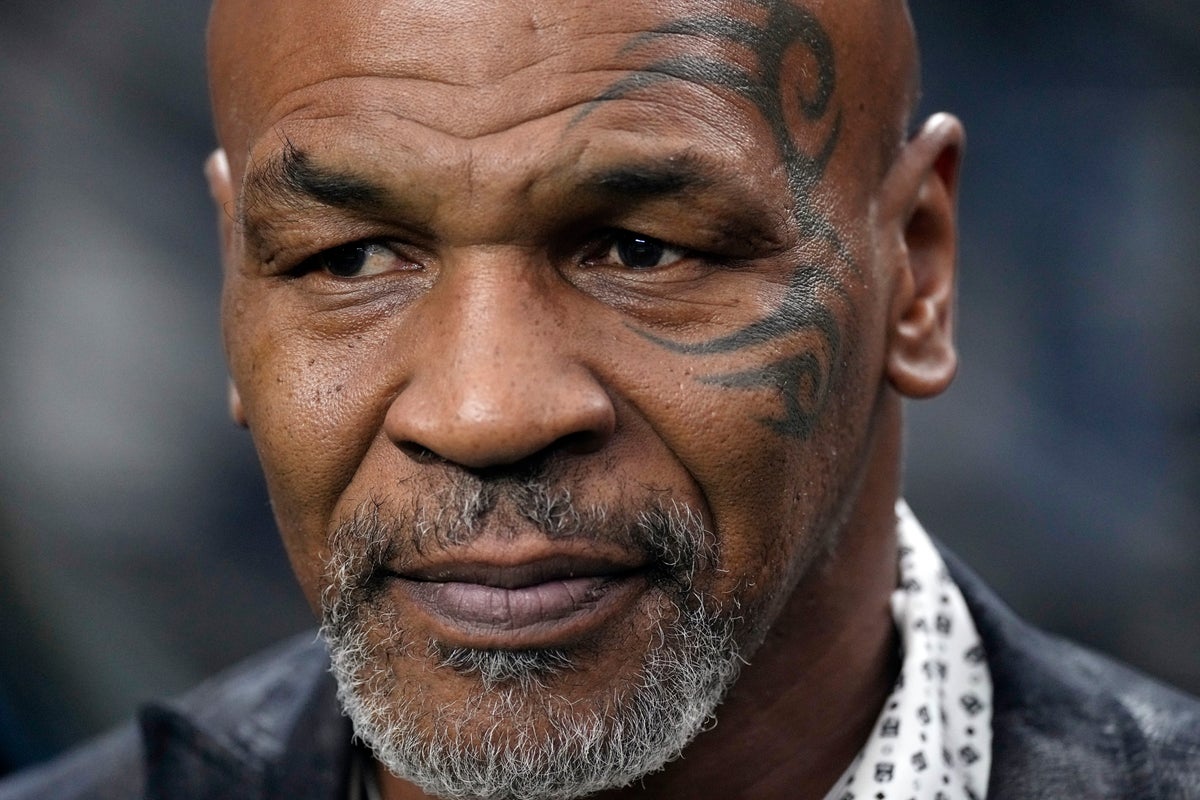
Boxing legend Mike Tyson has gained attention for his emotional appearance in a Super Bowl advertisement that addresses his past struggles with junk food addiction. In an interview on February 11, 2024, Robert F. Kennedy Jr., the Secretary of Health and Human Services, commended the ad as a significant moment in Super Bowl history. “It’s an extraordinarily powerful ad,” Kennedy stated during his segment on Fox News’ The Sunday Briefing. He described junk food as a form of “spiritual warfare” that has had devastating effects on public health in the United States.
Tyson, who once weighed as much as 345 pounds, shared his personal journey in the advertisement, revealing the emotional impact of his sister’s death from obesity-related complications. In the striking black-and-white ad, he candidly states, “I was so fat and nasty, I would eat anything.” The advertisement promotes healthier eating habits and directs viewers to RealFood.gov, a website established by the Trump administration that outlines revised healthy eating guidelines aimed at reducing processed food consumption.
Health Advocacy and Controversy
The ad is sponsored by MAHA Center Inc., a governmental advocacy group led by Tony Lyons, a Kennedy ally. The group’s mission aligns with Kennedy’s focus on promoting healthier lifestyles amid rising concerns about diet-related health issues. While many health experts commend the initiative, some have voiced concerns regarding the ad’s messaging.
Lindsey Smith Taillie, an associate professor of nutrition at the University of North Carolina Gillings School of Global Public Health, expressed reservations about the ad’s emphasis on shame as a motivator for dietary change. She noted, “It certainly isn’t an effective strategy for promoting better eating, individual shame.” This perspective highlights an ongoing debate about the most effective approaches to encourage healthy eating habits.
Reactions from Nutrition Experts
Kennedy’s administration has received mixed reactions regarding its efforts to promote whole foods. While experts recognize the importance of reducing processed food intake, they also question the new food pyramid introduced by the administration. The inverted pyramid notably places meat, cheese, and dairy at the forefront, which has raised eyebrows among nutritionists.
Susan Mayne, a professor of epidemiology at the Yale School of Public Health, commented on the new guidelines, stating, “What first stood out to me is the new inverted pyramid, where meat, butter, and whole milk were given really striking prominence.” Mayne further pointed out that while protein is emphasized, plant-based options such as beans are noticeably absent from the spotlight, raising concerns about the balance of the guidelines.
The contrasting viewpoints highlight the complexities of promoting nutritional health in America. As Tyson’s ad gains traction, it serves as a catalyst for discussions about the societal impact of food choices and the role of public health messaging in shaping dietary habits. The emphasis on personal stories, like Tyson’s, may resonate with many but also invites scrutiny on the effectiveness of using shame as a motivator for change.
As the conversation continues, the implications of Tyson’s heartfelt message and the responses from health experts will likely shape future initiatives aimed at improving nutritional health across the nation.