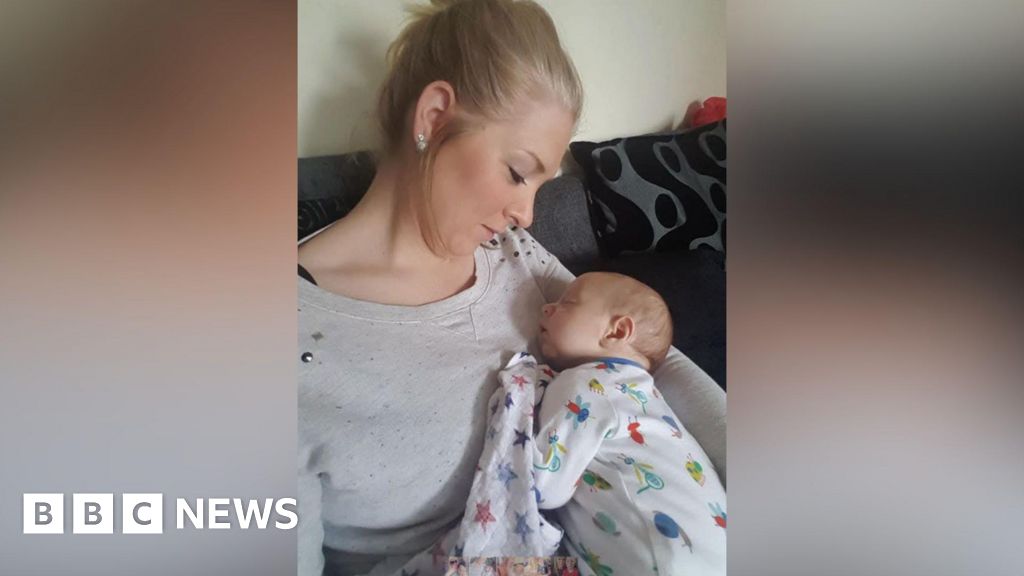
A mother from North Somerset has recounted the remarkable experience of her unborn son receiving blood transfusions while still in the womb. Laura Fricker was pregnant with her son, Sebastian, now eight years old, when medical professionals diagnosed him with severe anaemia, necessitating two intrauterine transfusions. “I absolutely had no idea that this could even happen; I’d never heard of babies having transfusions,” Fricker stated.
This procedure highlights a significant need for blood donation, as the NHS Blood and Transplant (NHSBT) service faces a shortfall of over 200,000 donors annually to meet increasing demand. Fricker, who was 14 weeks pregnant at the time, contracted parvovirus B19 from her daughter, who had slapped cheek syndrome. This virus can lead to foetal anaemia in a small number of cases. “I didn’t think for a million years that anything would be an issue; I thought I’d be immune,” she explained.
Rare Procedure Offers Hope
Intrauterine transfusion is a rare but vital procedure conducted in specific circumstances. According to NHSBT, this process requires highly skilled foetal medicine professionals. It involves using an ultrasound scan to assess whether a foetus is at risk of anaemia. Fricker underwent the procedure twice, first at 17 weeks and again at 19 weeks of her pregnancy. The procedure involves inserting a needle through the mother’s abdomen and into the foetus’s bladder.
“You could see on the screen the baby wriggling around and the needle going in and then the bubbles of blood going in,” Fricker recalled. “Even now, I get a bit emotional talking about it because it’s a pretty big thing.” Many who hear her story express amazement at the complexity and importance of such medical interventions.
The demand for blood donations is staggering, with more than 5,000 donations required daily, translating to around 1.8 million donations each year. NHSBT requires one million active donors to ensure a safe and reliable blood supply.
Urgent Call for Donors
Vicki Hines, a senior sister with NHSBT in Taunton, emphasized the urgent need for new blood donors, particularly younger individuals who can donate throughout their lifetimes. “We’re looking especially for younger donors who have got a lifetime of donation available to them,” Hines said. Her perspective is deeply personal; she has Von Willebrand disease, an inherited blood disorder that affects clotting.
Hines has undergone multiple transfusions during surgeries, including caesarean sections, where donated blood products were crucial to prevent complications. “It helped in my work with NHSBT because I could see both sides of the process,” she noted.
For those interested in making a life-changing impact, the NHSBT provides a straightforward way to sign up as a donor via their website. Blood donation not only saves lives but also provides essential support to families like Laura Fricker’s, reminding us of the profound effects of community generosity.