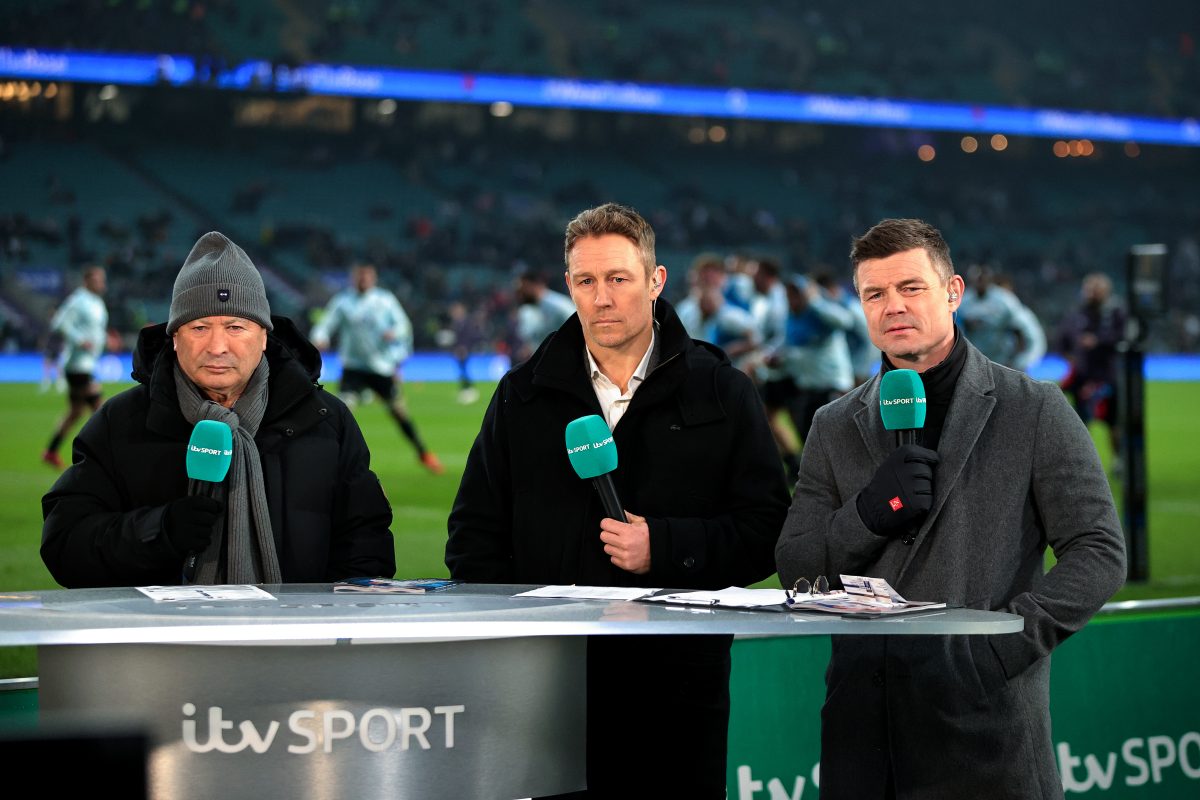
ITV has announced the implementation of in-game advertising during the Six Nations rugby tournament, a move that aims to sustain free-to-air sports broadcasting. Starting on March 16, 2024, the broadcaster will feature split-screen advertisements during natural pauses in play, such as scrums and line-outs. This strategy seeks to address the rising costs of sports rights while maintaining public access to major sporting events.
Experts believe this approach is a response to the mounting financial pressures on broadcasters. Ed Mullins, senior director of inventory and partnerships at StackAdapt, explained to City AM that the escalating costs associated with sports rights necessitate new monetization strategies. “The cost of sports rights continues to surge, and broadcasters simply can’t rely on traditional ad breaks alone if they want to keep major tournaments accessible to mass audiences,” Mullins stated.
This innovation, while potentially alienating some casual viewers unfamiliar with the rules of rugby, is viewed as a necessary step to ensure the continued airing of the Six Nations and other significant tournaments without requiring subscription fees. Mullins added, “Fans may bristle at first, but there’s a commercial reality here. If broadcasters can’t find new ways to monetize live sport, the likely outcome isn’t fewer ads, it’s more content moving behind paywalls.”
ITV’s Investment in Rugby Broadcasting
ITV’s commitment to free-to-air sports includes a substantial investment, reportedly around £80 million, to secure broadcasting rights for the inaugural Rugby Nations Championship, which guarantees that all of England’s international matches will be available to viewers without charge until December 2029. This strategic partnership sees ITV sharing coverage of the Six Nations with the BBC, although ITV has exclusive rights to air all of England’s matches ahead of the public service broadcaster.
The introduction of in-game advertising represents a significant shift for ITV, particularly as the network also prepares to play a crucial role in broadcasting the upcoming Fifa World Cup. Mullins emphasized the importance of how these advertisements will be presented, stating, “The real risk isn’t the presence of ads, it’s how they’re delivered. If broadcasters overload the experience or disrupt key moments, audiences will push back quickly.”
Future of Sports Broadcasting
The move to incorporate advertising during gameplay could reshape the landscape of sports broadcasting. While some viewers may initially resist the change, experts argue that if managed effectively, this model could become a standard practice in live sports viewing. The challenge for ITV and other broadcasters will be to strike the right balance between monetization and viewer experience.
As the sports broadcasting industry evolves, strategies like ITV’s may be essential for maintaining access to major events for a broad audience. With rising costs posing a threat to free-to-air programming, innovative solutions such as in-game advertising might just be what is needed to keep these beloved sports accessible to all.