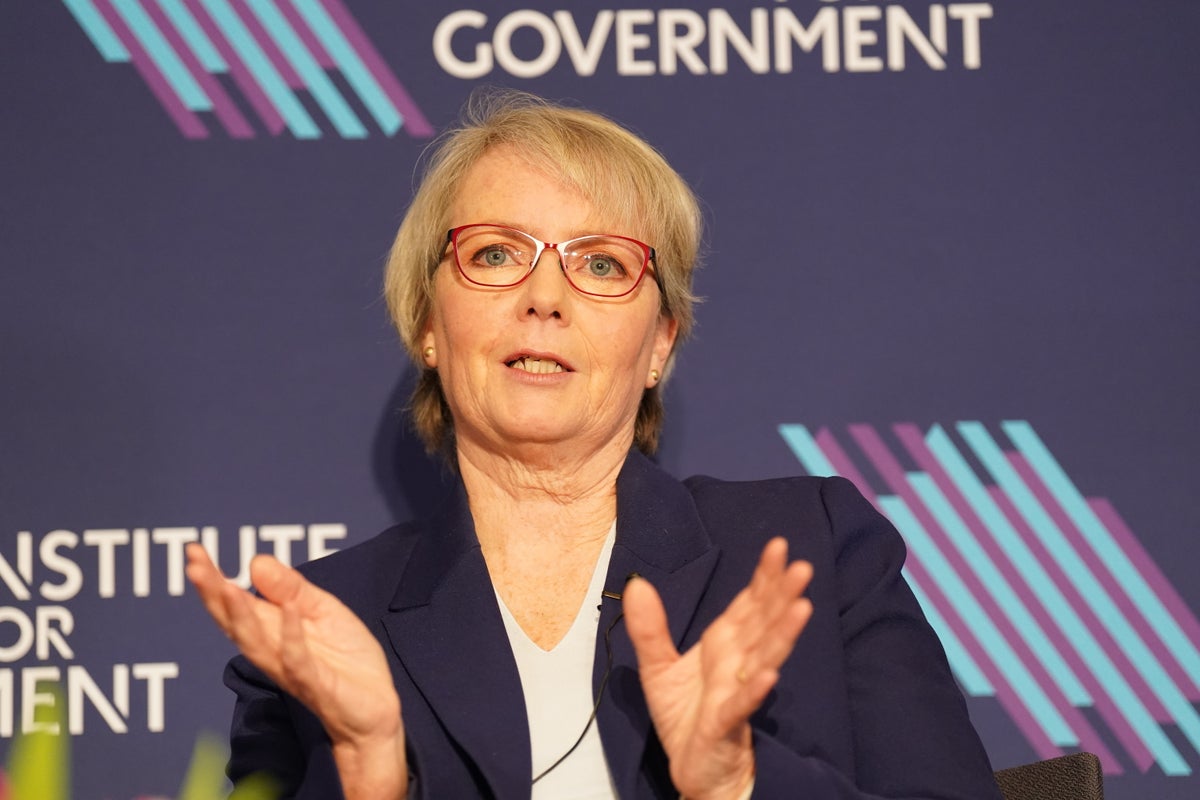
The UK government has acknowledged a lack of clarity on how its proposed immigration reforms will affect NHS staff. Health Minister Karin Smyth stated that the Department for Health and Social Care does not possess information on the national impact of changes targeting those seeking indefinite leave to remain (ILR) in the UK. This admission comes as a consultation on the reforms nears its conclusion.
The proposed changes aim to extend the period required for individuals to achieve settled status from five years to ten years, with some applicants potentially facing a waiting period of up to 15 years. While NHS doctors and nurses are exempt from these new rules, the reforms will impact staff in social care and private healthcare, particularly those working on NHS-contracted cases intended to alleviate service backlogs. Framed as a strategy to bolster the government’s immigration stance and reduce arrivals, the policy has drawn significant criticism.
Critics, including Labour MP Neil Duncan-Jordan from Poole, have condemned the government’s approach as “un-British,” suggesting it panders to right-wing sentiments. Trade bodies have also expressed strong opposition, with the Royal College of Nursing (RCN) describing the proposals as a “grave error.” The Unison union warned that the changes would create a divide within the NHS, categorizing workers into “high-skilled” and “low-skilled” roles.
In response to a parliamentary inquiry by Duncan-Jordan, Smyth remarked, “The department does not hold information on the number of existing National Health Service workers nationally… who could be affected by proposed changes to the rules on indefinite leave to remain.” The Department for Health and Social Care has emphasized the importance of avoiding over-reliance on international recruitment and plans to publish a workforce strategy in March 2024.
The ongoing consultation regarding these ILR reforms is set to conclude in two weeks. Currently, individuals in the UK on specific valid visas qualify for ILR after five years. The new proposals would change this, requiring many to wait ten years and potentially 15 years for some. Applicants would also need to fulfill additional requirements, such as language proficiency and demonstrating a measurable economic contribution.
Home Secretary Shabana Mahmood introduced the consultation in November, asserting, “To become a part of this country, permanently, is therefore not a right but a privilege – and one that must be earned.”
Duncan-Jordan responded critically to Smyth’s comments, stating, “The Government is pushing through sweeping immigration changes, yet the Department for Health and Social Care does not even know how many NHS and care workers will be affected. That should ring alarm bells.” He further noted the disconnect within the government, pointing out that while the Casey Review promises a new strategy for social care, the Home Office’s actions threaten to undermine the workforce essential to the sector.
The number of applications for a health and care worker visa in the UK nearly halved last year, dropping from approximately 123,300 in 2024 to around 61,000. This decline followed the introduction of new rules last summer that ended overseas recruitment for care workers and increased the minimum salary for skilled workers to £41,700. Although NHS doctors and nurses may still qualify for settlement after five years, lower-skilled workers who arrived during the “Boris wave” from 2022 could face a 15-year wait.
Amber Jabbal, director of policy at the Royal College of Nursing, indicated that their analysis suggests one in ten registered nurses could be affected by the proposed changes. She warned that thousands of essential workers might be “driven away” from health and care settings during a time when staff shortages are already a pressing issue. Jabbal stated, “International nursing staff are crucial to the functioning of our health and care services. We should be thanking them for the sacrifices they make to care for us, not seeking to make their lives more difficult.”
Helga Pile, head of health at Unison, characterized the introduction of these proposed changes as “reckless,” noting that every overseas worker in the NHS without residence rights would be affected. She cautioned that the reforms would leave key workers in limbo for up to 15 years, complicating long-term planning in healthcare. Pile added, “NHS staff are all part of one team, but that will be split apart by the Home Office’s view about who is high or low skilled. Ministers must conduct a proper impact assessment on the health and care sector before these plans go any further.”
Dora-Olivia Vicol, chief executive of the Work Rights Centre, called for a detailed impact assessment, stating, “Without it, this consultation is a farce.” A spokesperson for the Department of Health and Social Care reiterated their pride in the NHS being one of the most diverse workforces globally, emphasizing the value of contributions from overseas staff. However, they also highlighted the necessity of reducing reliance on international recruitment to bolster opportunities for domestic talent.
The ongoing debate surrounding these proposed immigration changes highlights significant concerns about the future of the NHS workforce and the potential ramifications for health and social care services across the United Kingdom.