The inaugural meeting of the North Sea Future Board did not address the Energy Profits Levy, a significant tax on oil and gas companies, according to board member Michael Shanks. He confirmed that while the levy was not on the agenda, he is aware of the varying perspectives surrounding it.
Shanks, who represents the interests of the oil and gas sector in the United Kingdom, indicated that the lack of discussion on the windfall tax reflects a broader strategy for the board. The meeting, which took place in October 2023, focused primarily on future plans and the sustainability of energy resources in the North Sea region.
Implications of the Energy Profits Levy
The Energy Profits Levy, introduced in 2022, aims to tax excess profits generated by energy companies during times of high oil and gas prices. Critics argue that it could deter investment in the sector, while supporters believe it is a fair response to soaring profits amid rising living costs for consumers.
Shanks acknowledged that the board’s members have varying views on the levy. He noted, “I know what people’s views are on it,” suggesting that while it was not discussed, the topic remains significant in the context of ongoing energy debates in the UK. The absence of the levy from the agenda might indicate a strategic choice to prioritize other pressing matters related to energy transition and sustainability.
Future Directions for the North Sea
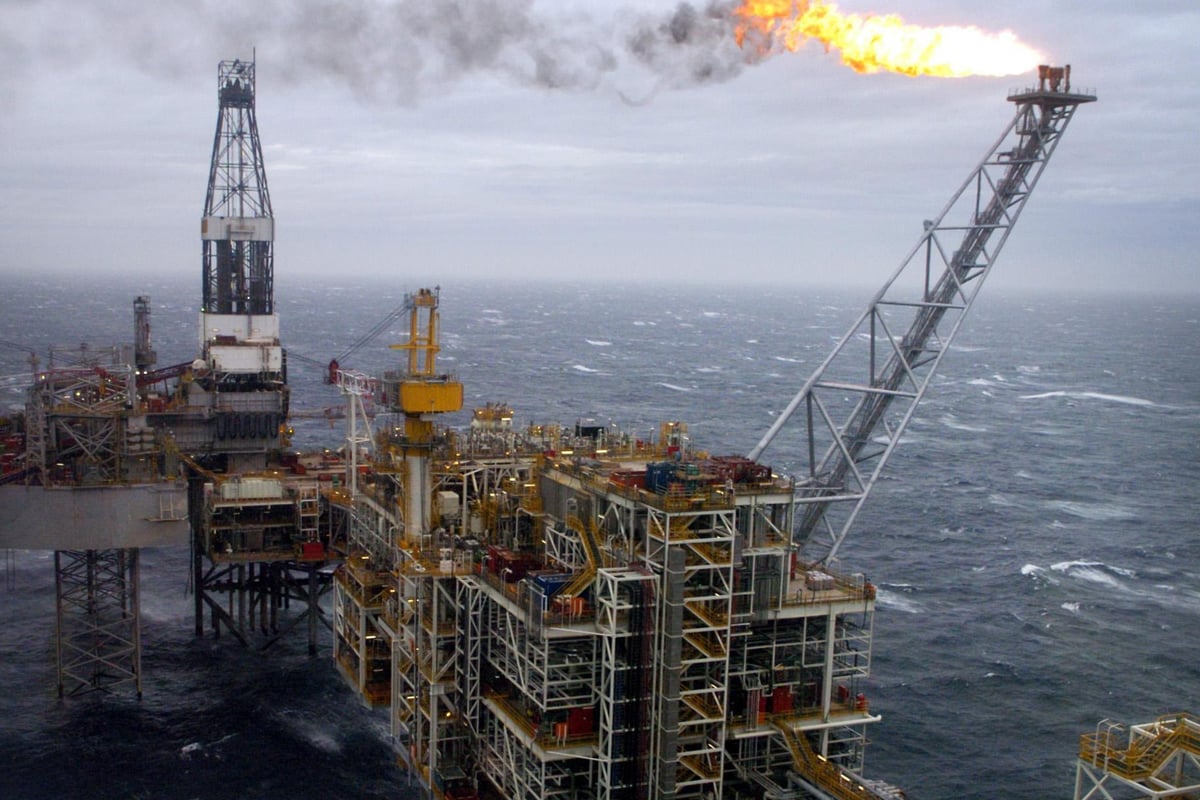
The North Sea Future Board is tasked with guiding the future of energy production in the North Sea, particularly as the region shifts towards renewable sources. This transition is crucial as the UK aims to meet its climate targets while ensuring energy security.
Members of the board, which includes representatives from various sectors, are expected to tackle issues such as investment in green technologies and the phasing out of fossil fuels. The absence of the windfall tax from initial discussions could signify a focus on these longer-term goals rather than immediate fiscal policies.
As the energy landscape continues to evolve, the North Sea Future Board will likely need to address the implications of the Energy Profits Levy in future meetings. Stakeholders from both the energy sector and the general public are keen to see how the board navigates these complex issues, balancing the need for investment with fiscal responsibility.
The outcomes of these discussions will have far-reaching implications for the UK’s energy policy and its commitment to achieving a sustainable and secure energy future.