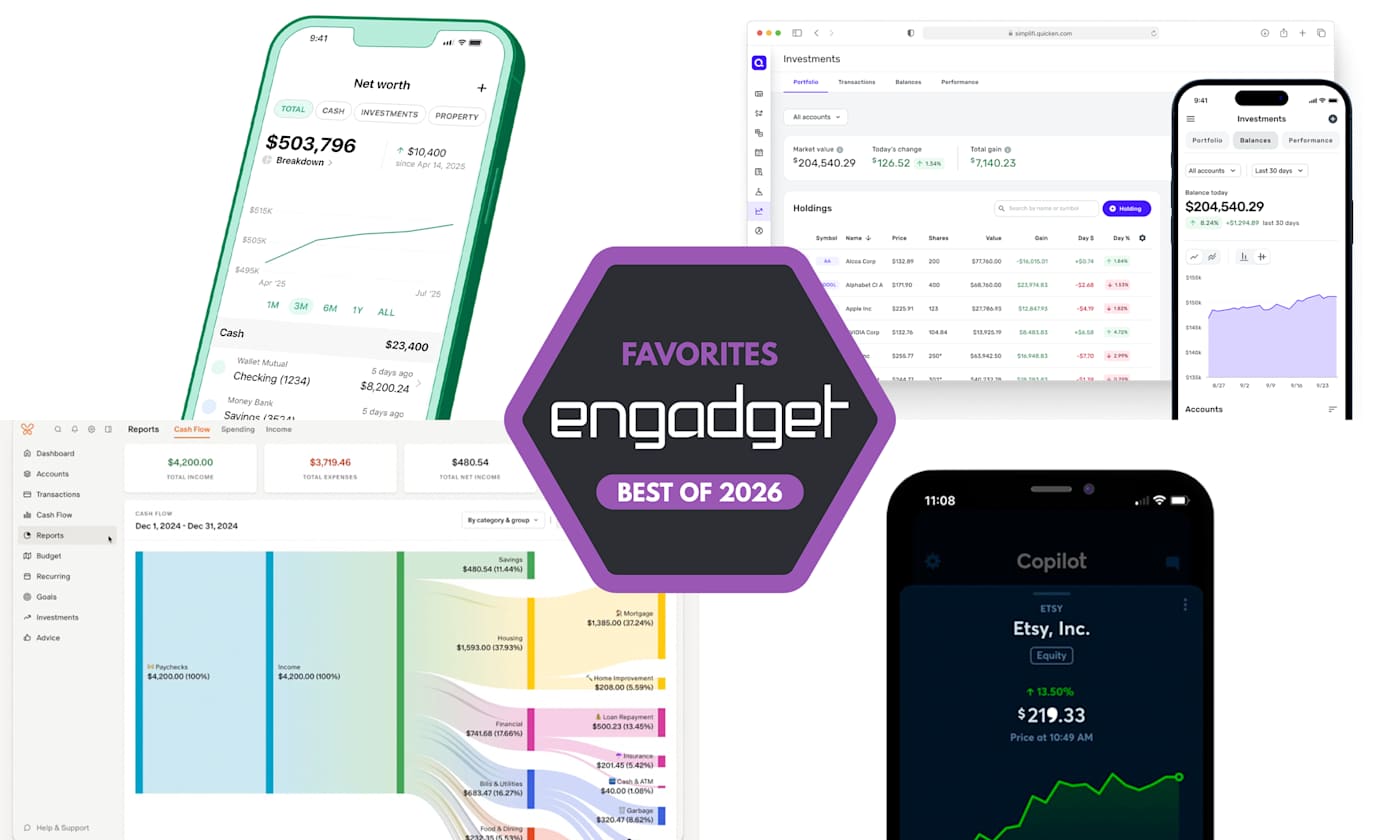
Managing personal finances can be simplified with the right budgeting app, especially as users seek alternatives following the shutdown of Mint in December 2023. Parent company Intuit redirected Mint users to Credit Karma, yet many are exploring new options to effectively track spending and save for future goals. The following overview highlights some of the best budgeting apps for 2026, tailored to various financial needs.
Top Budgeting Apps for 2026
For those looking to streamline their financial management, several apps stand out. Here are the top contenders:
1. **Quicken Simplifi**: This app is recognized for its user-friendly design and comprehensive features. It offers a clean interface that allows users to easily view balances, spending patterns, and upcoming payments. Setting up Simplifi is straightforward, and it connects efficiently to various accounts, including Fidelity. While it lacks integration with Zillow, it does provide unique features such as refund tracking and customizable spending categories. One drawback is the absence of a free trial.
2. **Monarch Money**: Founded by a former Mint product manager, Monarch Money offers advanced budgeting tools but has a steeper learning curve. Users can create detailed reports, track assets, and set customized recurring payments. The latest updates have improved its functionality, including the ability to track Apple Cash and Apple Card transactions. However, the mobile app may feel less intuitive compared to its web counterpart.
3. **NerdWallet**: As a well-known personal finance resource, NerdWallet also provides a completely free budgeting app. Users can track net worth, cash flow, and credit scores without any hidden fees. The app emphasizes the popular 50/30/20 budgeting method but lacks customization options for spending categories. Despite its simplicity, the setup process can be tedious due to multiple security verifications.
4. **Copilot Money**: Currently exclusive to iOS and Macs, Copilot Money distinguishes itself with a visually appealing interface and AI-powered expense categorization. The app allows integration with Amazon and Venmo, providing detailed transaction insights. While promising, its limited availability on platforms may hinder broader adoption.
5. **YNAB (You Need a Budget)**: Emphasizing intentional spending, YNAB employs a zero-based budgeting approach that requires users to allocate every dollar effectively. Although it has a steep learning curve, it encourages users to rethink their financial habits. The app’s focus on current funds rather than forecasting may benefit those with tight cash flow.
6. **PocketGuard**: Although previously a solid free option, PocketGuard has shifted to a limited trial model, requiring users to select a paid plan after the trial period. The app provides a straightforward interface but has faced criticism for its lack of polish and functionality compared to other options.
Conclusion: Finding the Right Fit
As users transition from Mint, the search for a suitable budgeting app has intensified. Each of the apps highlighted above offers unique features and capabilities designed to cater to different financial needs. Whether users prioritize simplicity, detailed analytics, or free access, there is likely an app that fits their requirements.
For those still navigating their choices, exploring these options can lead to better financial management and a clearer path toward achieving financial goals. As technology continues to evolve, these budgeting tools will likely adapt and improve, making personal finance management more accessible for everyone.