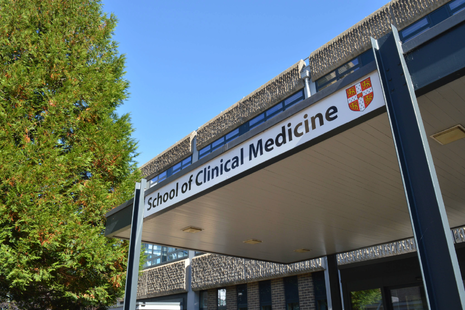
A new study led by researchers at Cambridge University aims to identify premature babies who may require additional educational support before they start school. The research focuses on 1,000 infants admitted to neonatal intensive care units (NICUs) at three NHS hospitals in the east of England, including the Rosie Hospital in Cambridge, Luton and Dunstable University Hospital, and Norfolk and Norwich University Hospital.
The study will track the physical and mental health of these children, as well as their educational outcomes, until they reach the age of 16. Preliminary findings indicate that one in three babies admitted to a NICU fails their school readiness assessment at the age of five, a rate that is double that of the general child population in the UK. The Department for Education has expressed interest in the study’s findings, providing funding through UK Research and Innovation to explore the most effective interventions.
Potential Interventions and Their Impact
Current educational support measures include programs like Sure Start, psychological assistance, and enhanced parental support. The research team is considering additional interventions, such as one-on-one sessions focusing on language development, reading, and numeracy. Small-group classes aimed at improving emotional, social, memory, and attention skills may also play a significant role in aiding these children.
Approximately one in ten babies are admitted to NICUs due to premature birth or medical complications such as low birth weight or breathing difficulties. A critical component of the study will involve analyzing results from the government’s school readiness assessment, which evaluates skills such as dressing independently and basic counting at the end of the reception year.
David Rowitch, a professor of pediatrics at Cambridge and the principal investigator of the study, noted that it is surprising that school readiness has not been previously examined in this context. “There are 70,000 children admitted to NICUs each year in the UK, and we don’t know how they perform in school because linking their outcomes to school readiness has not been conducted,” he stated.
Understanding Long-Term Outcomes
The study, funded by a £4 million grant from the Wellcome Trust, will also analyze blood samples and genetic data to identify potential biomarkers that could signal which children are most in need of early educational support. Researchers will engage with parents about their child’s experiences in intensive care, their development, and their readiness to begin school.
Catherin Aiken, a professor from Cambridge’s Department of Obstetrics and Gynaecology and the chief investigator of the study, emphasized the importance of addressing parental concerns. “Parents often ask us to predict their child’s long-term outcomes. We aim to provide them with clearer answers and guidance on how they can help their child succeed.”
Aiken also pointed out that not every child with a challenging start will face difficulties later in life. “We know they have a higher chance than most children of needing extra support, but we need to understand the nuances that determine which children thrive and which do not.”
Rowitch further highlighted the necessity of identifying learning issues before children start school. “Waiting until age five to discover a problem is not ideal. We want to be proactive in identifying children who should enter an intervention program,” he explained. Early intervention is vital, as children who struggle in their school readiness assessments are at a greater risk of facing challenges in adulthood, including health issues and potential incarceration.
“This study aligns with the overarching prevention medicine research strategy of the Cambridge Children’s Hospital,” Rowitch added. Construction of the new Cambridge Children’s Hospital is expected to commence soon on the Cambridge Biomedical Campus. The research has the potential to significantly influence educational strategies and improve outcomes for vulnerable children across the UK.