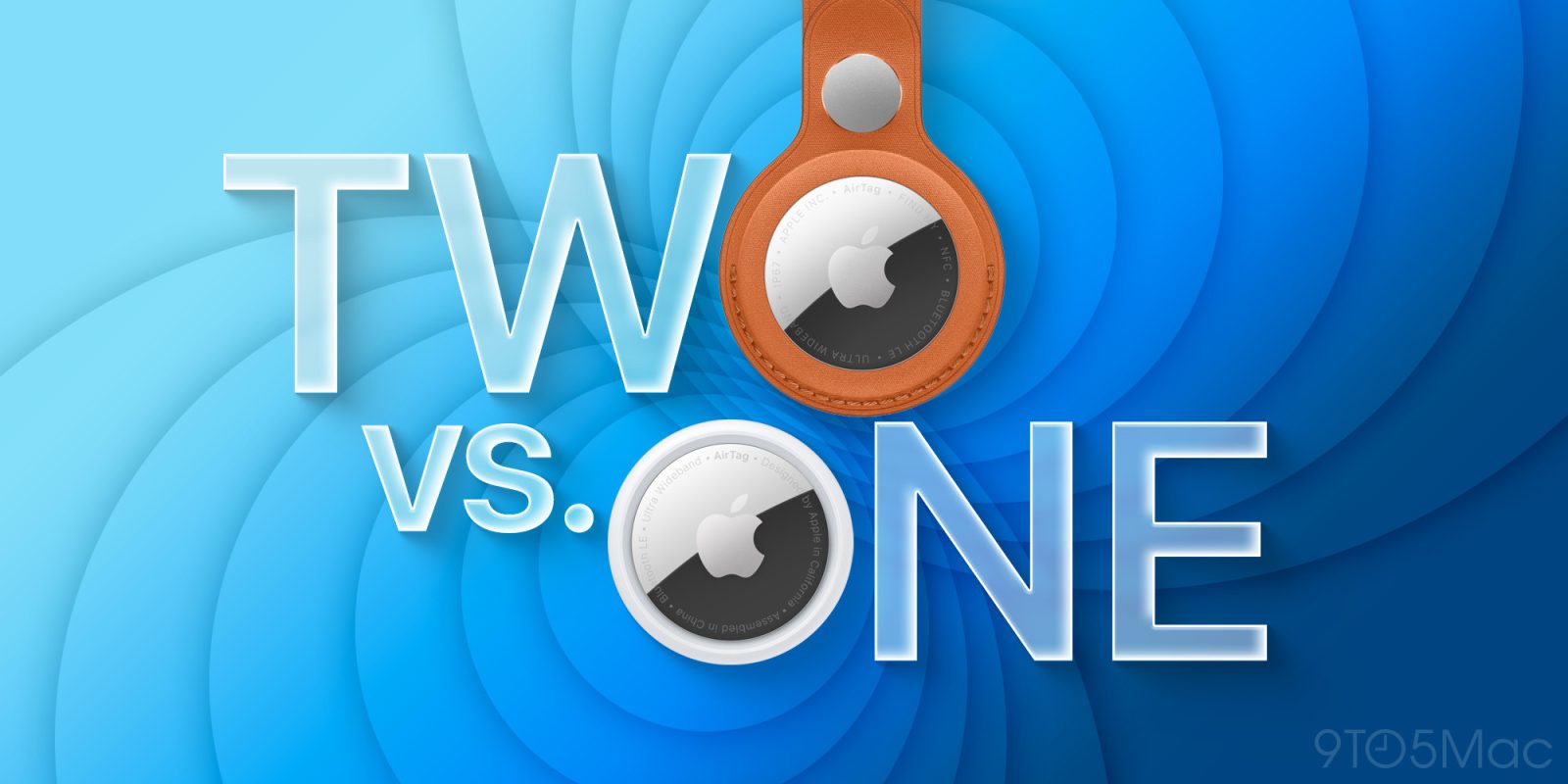
Apple has officially launched the highly anticipated successor to its tracking device, the AirTag 2, nearly five years after the original model debuted. This new version brings a range of enhancements aimed at improving user experience and privacy protections.
Enhanced Precision Finding and Bluetooth Connectivity
One of the standout features of the AirTag 2 is its upgraded Precision Finding capability, now powered by a second-generation Ultra Wideband chip. This enhancement allows users to locate their lost AirTags from a distance up to 1.5 times greater than the original model. To take full advantage of this extended range, users need to have an iPhone compatible with the new technology. Additionally, owners of compatible Apple Watch models can also utilize the Precision Finding feature, a functionality that was not available with the first AirTag.
The new AirTag also boasts an improved Bluetooth chip, which Apple claims will “expand the range at which items can be located.” Although specific metrics on this improvement have not been disclosed, it is expected to enhance the overall tracking experience for users.
Improved Sound and Privacy Features
Another significant upgrade is the speaker, which is now reported to be up to 50% louder than that of the original AirTag. Apple states that this enhancement allows users to hear the AirTag’s sound from up to twice as far away, making it easier to locate lost items that may have been difficult to find previously.
In response to privacy concerns that arose with the original AirTag, which was reportedly used for unwanted tracking, Apple has introduced new privacy measures with the AirTag 2. While the company has not detailed all the enhancements, it has mentioned a “suite of industry-first protections” aimed at safeguarding users.
Continuity in Design and Pricing
Despite the new features, several aspects of the AirTag 2 remain unchanged. The battery life continues to deliver “more than a year” of use before requiring a replacement. The design and size of the new model mirror those of its predecessor, which means existing accessories, including popular options like the Elevation Lab TimeCapsule, are compatible with the AirTag 2. This continuity allows users to transition to the new model without needing to replace their accessories.
Pricing for the AirTag 2 remains consistent with the original, making it accessible for those looking to upgrade. As consumers weigh the benefits of the new features, questions arise about which enhancements will ultimately motivate the decision to upgrade.
With its combination of improved functionality and ongoing commitment to user privacy, the AirTag 2 aims to solidify Apple’s position in the tracking device market. As the launch unfolds, many will be watching to see how these upgrades resonate with users and impact the broader landscape of personal tracking technology.