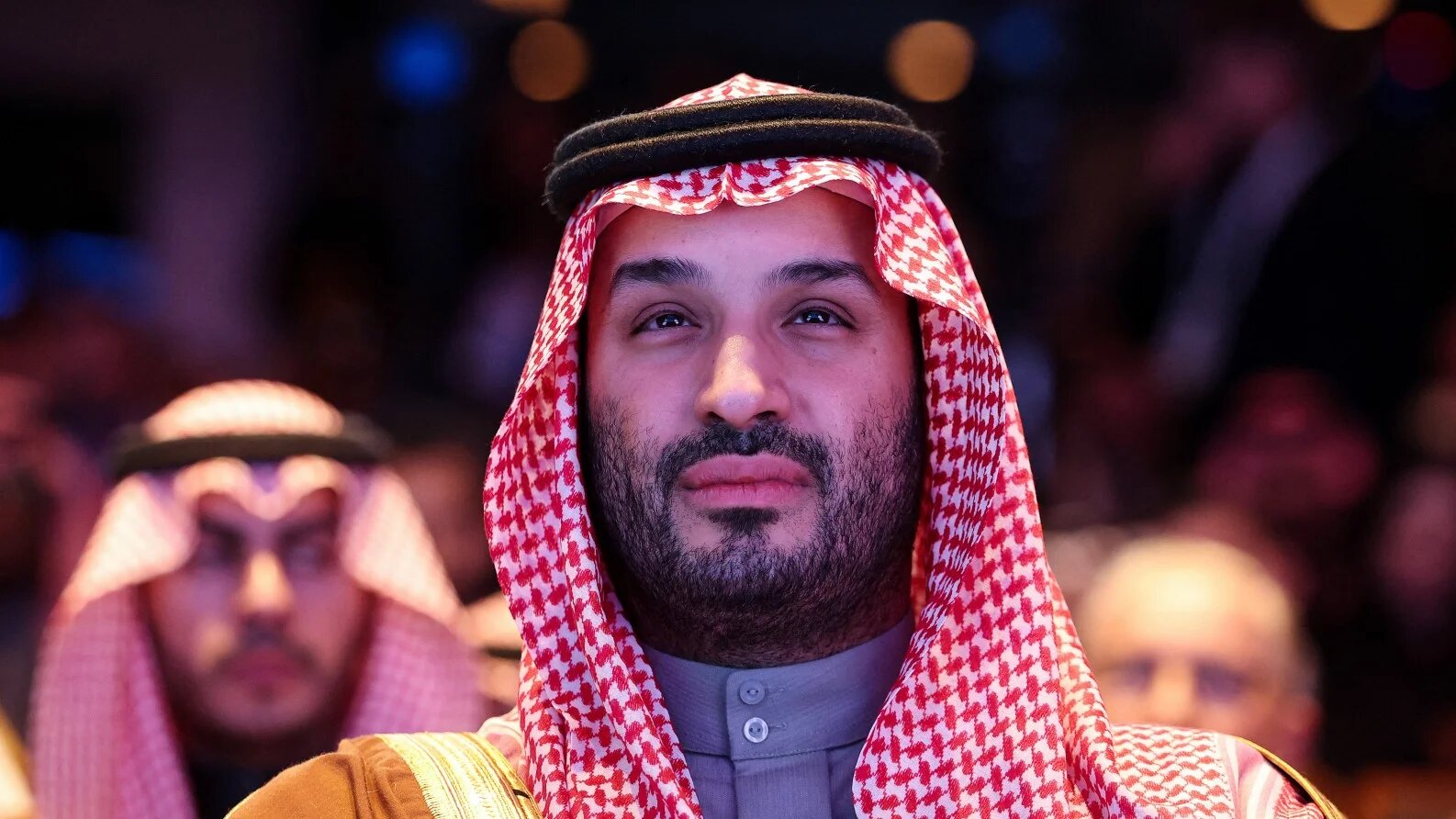
Saudi Arabia’s Public Investment Fund (PIF) has requested the nation’s wealthiest families to increase their investments in domestic projects as the government reevaluates or cancels several high-profile mega-projects. A report by Bloomberg indicates that officials from the PIF, along with the Ministry of Investment, convened with these families on the Red Sea coast to discuss collaboration on new initiatives and to encourage partnerships with foreign investors interested in the Saudi market.
This shift comes as significant projects, which were central to Crown Prince Mohammed bin Salman‘s Vision 2030 aimed at diversifying the oil-dependent economy, face delays or reductions. Recently, construction of the Mukaab, a massive cube-shaped structure planned for downtown Riyadh, has been suspended. Additionally, the government has announced that the Trojena ski resort, part of the ambitious Neom project, will be downsized and will no longer host the 2029 Asian Winter Games.
The Financial Times has reported that the Neom megacity, once touted as a transformative development, is also undergoing significant redesign and scale-back. Analysts suggest that Saudi Arabia is recalibrating its expectations, focusing on sectors where it has a competitive edge, such as technology and tourism.
The kingdom has made strides in technology, purchasing advanced AI chips from Nvidia and establishing data centers across various regions, including from the Red Sea to major cities like Riyadh and Dammam. The relatively low commercial electricity prices, which are 30 to 50 percent cheaper than the global average due to abundant fossil fuel supplies, provide a compelling incentive for new investments.
In January, the government introduced new regulations allowing foreign ownership of property, further aiming to attract international capital. As of now, the non-oil sector contributes over 55 percent to Saudi Arabia’s real GDP, showcasing the kingdom’s ongoing efforts to reduce its reliance on oil revenues.
Despite these advancements, the kingdom faces challenges. Oil remains a crucial revenue source, accounting for around 61 percent of the government’s income according to the 2025 budget. Current oil prices hover around $60 per barrel, significantly below the $100 per barrel threshold needed for budget balance, prompting the kingdom to engage more actively in international debt markets.
In 2024, Saudi Arabia surpassed China as the most active issuer of international debt within emerging markets. In January 2026 alone, it issued over $20 billion in international bonds, demonstrating robust demand despite tightening liquidity conditions within the kingdom. The government has encouraged state-owned banks to increase lending to private enterprises and young home buyers, although these institutions are also turning to debt markets due to higher capital requirements imposed by the state.
The PIF’s outreach to wealthy families is viewed as part of a broader strategy to fill the investment gaps left by state banks. These families, controlling billions in assets, could significantly contribute to funding initiatives that support the kingdom’s economic objectives.
While there appears to be no immediate tension between these affluent families and Saudi financial officials, the crown prince has a history of relying on their financial support. In 2017, several wealthy individuals, including billionaire Alwaleed bin Talal, faced intense pressure for funds that were characterized as part of a crackdown on corruption, resulting in significant financial settlements.
As Saudi Arabia navigates these complexities, its ongoing commitment to economic diversification remains evident. The International Monetary Fund (IMF) recently raised its GDP growth forecast for the kingdom from 4 percent to 4.5 percent for 2026, positioning Saudi Arabia among the top G-20 economies.
The future of the nation’s ambitious plans remains intertwined with its ability to adapt to both domestic and international economic realities while securing the necessary investments to sustain its developmental goals.