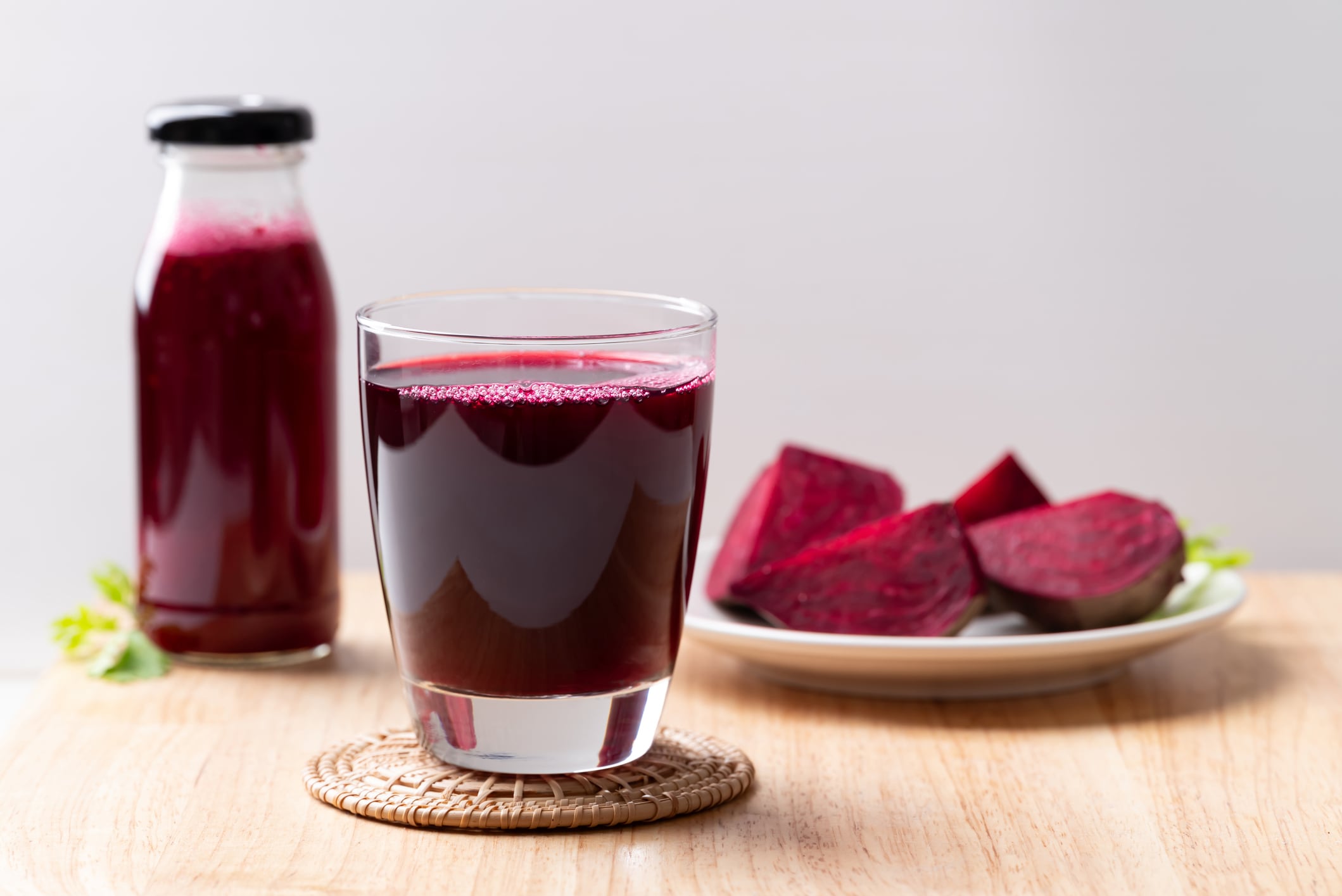
A recent study involving 20 male basketball players has revealed that consuming beetroot juice, rich in nitrates, before warm-up can significantly enhance power and jump height. Conducted by researchers at Beijing Sport University and other institutions in China, the findings indicate that the timing of supplementation is crucial for maximizing athletic performance.
The study highlights that while beetroot juice can boost performance, its effects are time-sensitive. Players who ingested a nitrate-rich dose of beetroot juice approximately 2.5 hours before competition experienced notable improvements in their performance during the initial eight minutes following warm-up. However, the benefits did not persist beyond this period, suggesting that the timing of consumption is essential.
The global market for beetroot juice, a recognized ergogenic aid, was valued at approximately USD 14.66 billion in 2023 and is projected to grow to USD 22.68 billion by 2030, with a compound annual growth rate (CAGR) of 6.5% from 2024 to 2030. This growth reflects the increasing recognition of beetroot juice for its potential health benefits, including improved cardiovascular performance and enhanced athletic capability.
Understanding the Research Findings
The researchers proposed a specific protocol based on their results, emphasizing the importance of a 0 to 8-minute performance window. They recommend that athletes consume a single dose of beetroot juice containing approximately 8.4 mmol of nitrate before engaging in a tailored warm-up routine. This warm-up should culminate with a blood flow restriction (BFR) enhanced plyometric protocol, designed to be completed four to eight minutes before the start of competition.
Warming up is essential for athletes as it not only optimizes neuromuscular function but also enhances overall performance and reduces the risk of injury. The study utilized post-activation potentiation (PAP) techniques, which temporarily boost the muscle’s ability to perform explosive movements. Traditional maximal loading methods to induce PAP can be impractical or risky; therefore, BFR has emerged as a beneficial alternative. BFR simulates high-intensity stress through low-load exercises, making it a valuable tool for athletes.
Previous research has indicated that combining BFR with plyometric exercises can improve jump performance within the crucial four to eight-minute window post-activation. The nitrates found in beetroot juice convert to nitrites and subsequently to nitric oxide, a process that is particularly effective under ischemic conditions created by BFR.
Study Methodology and Implications
In the study, participants were randomly assigned to receive either beetroot juice or a placebo in a crossover design, with a seven-day washout period between treatments. After a 2.5-hour rest, they underwent a warm-up and were fitted with BFR belts at 50% arterial occlusion pressure (AOP). Subsequently, they performed a five-minute plyometric jump sequence.
Results indicated that beetroot juice significantly enhanced jump height, calculated from take-off velocity, peak power, and peak rate of force development during the first eight minutes post-ingestion. In contrast, the placebo group exhibited higher jump performance at the twelve-minute mark, while no performance enhancements were noted in either group at sixteen minutes. The researchers emphasized that the lack of sustained benefit beyond eight minutes highlights the necessity for precise timing in practical applications.
Despite the promising findings, the study acknowledges its limitations and calls for further longitudinal research to explore the effects of longer-term supplementation with beetroot juice.
This research sheds light on the potential for targeted supplementation strategies in sports, particularly for athletes looking to enhance their performance through scientifically-backed methods. The insights gained from this study could pave the way for more effective warm-up protocols and optimized competitive strategies in basketball and other athletics.
For further details, see the study published in Front. Nutr. on January 22, 2026, titled “Acute beetroot juice supplementation augments early neuromuscular performance after blood flow restriction: a crossover study in elite basketball players,” authored by R. Nie et al.