UPDATE: NATO is ramping up its military presence across the Arctic, with key air bases playing critical roles in the alliance’s strategy in the face of rising tensions. As geopolitical threats intensify, the urgency to secure these strategic locations has reached a new high.
The United States currently operates ten military installations in Alaska, including the significant Joint Base Elmendorf-Richardson (JBER), which houses over 5,500 troops. This base is crucial for multi-service commands, including the US Air Force Alaskan Command. JBER’s recent expansion plans aim to enhance operational capacity, doubling its ability to support various aircraft by 2026.
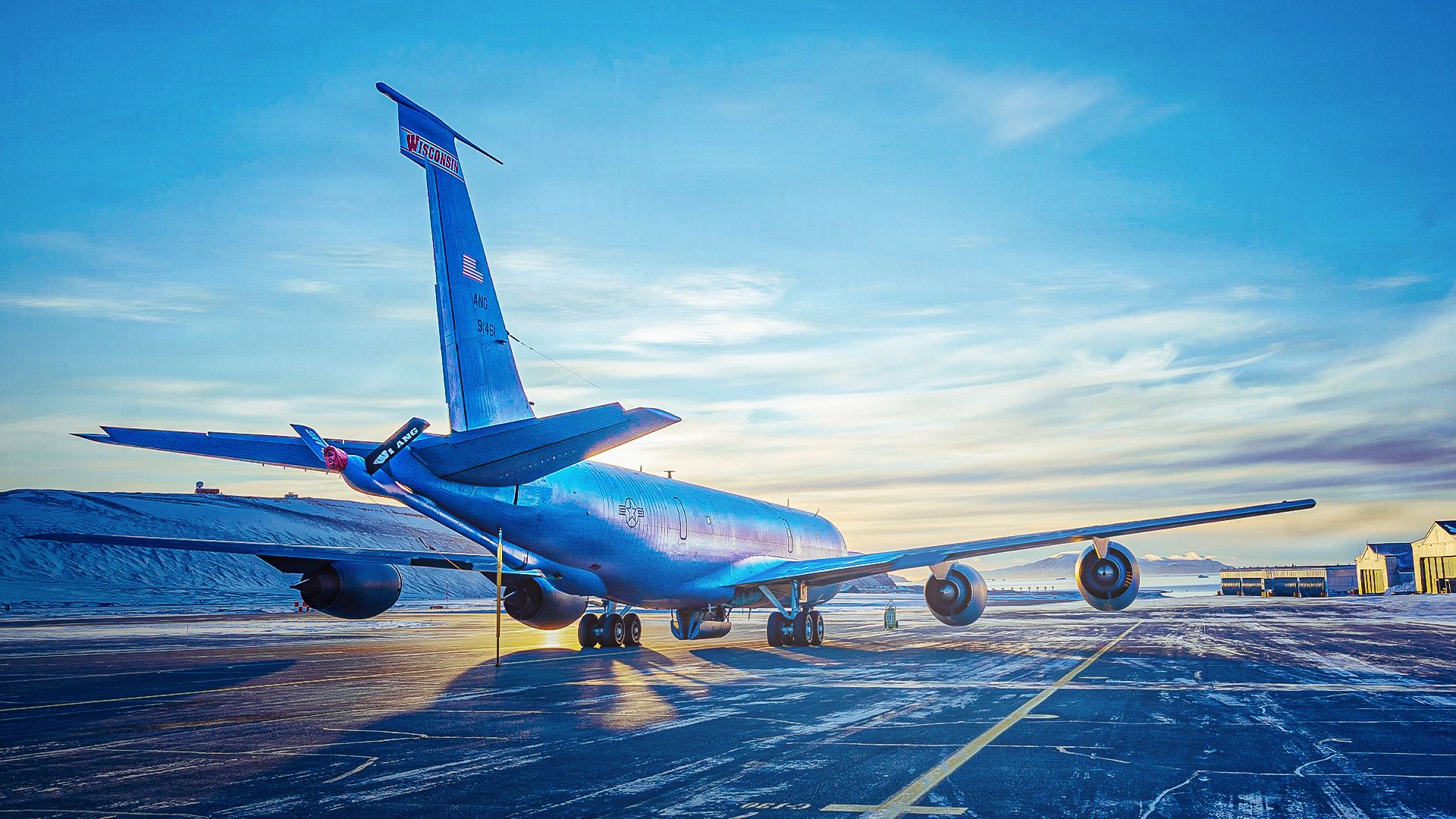
In Greenland, the US maintains the Pituffik Space Base, the northernmost US military facility. This base, with a staff of 100-200 troops, is vital for missile warning and space surveillance. Recent reports highlight the arrival of Danish, French, and German forces to bolster security at this outpost amid concerns of regional instability.
Norway has established Evenes Air Station as NATO’s forward station for advanced air power. Currently hosting over 300 troops, Evenes is equipped to swiftly deploy F-35A fighters to intercept unidentified aircraft, underscoring NATO’s commitment to airspace security in the region.
Finland’s Rovaniemi Air Base, located directly on the Arctic Circle, is enhancing its capabilities in preparation for the arrival of F-35A Lightning II aircraft by 2026. This base, which currently supports over 400 troops, will play a pivotal role in NATO’s Arctic defense strategy.
In Sweden, Luleå-Kallax Air Base serves as a critical supply hub for NATO operations. With a troop presence exceeding 800, this base is integral to staging large-scale NATO exercises and monitoring Russian military activities in the region.
As military activities increase, the stakes are high. NATO’s strategy reflects a pressing need for enhanced cooperation and readiness among member nations to address evolving threats. The integration of advanced technologies and joint training exercises at these bases is crucial for maintaining security in the Arctic.
With the situation developing rapidly, military analysts stress the importance of these installations in ensuring NATO’s air dominance across two continents. The geopolitical landscape is shifting, and the actions taken today will resonate for years to come.
Stay tuned for further updates on NATO’s Arctic operations and the implications for global security.