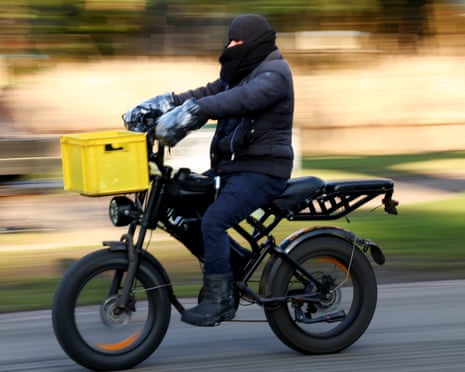
Amsterdam is set to implement a ban on “fatbikes,” a type of electric bike with wide tires, in response to a significant increase in serious accidents involving these vehicles, particularly among children. The decision comes from the city’s head of transport, Melanie van der Horst, who has noted alarming trends in safety reports.
In the Vondelpark, a popular area for cyclists, these electric bikes are frequently seen speeding through the lanes during busy hours. Despite a factory speed limit of approximately 24 kilometers per hour (15 mph), many riders modify their bikes to reach speeds of up to 40 kilometers per hour (25 mph). VeiligheidNL, a Dutch safety organization, estimates that around 5,000 fatbike riders seek treatment in emergency departments annually, with a significant number of incidents involving young riders aged 12 to 15.
Van der Horst’s announcement follows increasing pressure from various stakeholders, including road safety experts and concerned citizens. She stated that “unorthodox measures” are necessary to improve safety in the city. With the ban starting in Vondelpark, Amsterdam joins other municipalities like Enschede, which are also considering similar restrictions.
The reactions from riders in the park have been mixed. Henk Hendrik Wolthers, a 69-year-old fatbike user, expressed his frustration at the impending ban. “This is the quickest means of transport in the city, and you should be able to use it,” he said. Other cyclists share his sentiment, arguing that the problem does not lie with the bikes themselves but with rider behavior and speed management.
Concerns have emerged about the impact of fatbikes on public safety. Florrie de Pater, chair of the Fietsersbond Amsterdam cycling association, noted that the prevalence of fast-moving bikes is driving older individuals and children off the roads. “Because of the dangers of those cycling fast, especially older people over 55 or 60, simply leave their bikes at home,” she explained. Parents are increasingly hesitant to let their children cycle to school due to safety fears.
Medical professionals are also weighing in on the debate. Marcel Aries, a brain injury specialist at Maastricht University Medical Center, advocates for more stringent measures. “Governments and municipalities should consider unpopular bans as public health responses to congested streets and increasing speed differentials between vehicles and cyclists,” he stated. His perspective aligns with that of Marlies Schijven, a professor of surgery at the Amsterdam University Medical Center, who called for broader action beyond a park-specific ban.
The growing trend of electric bike use in the Netherlands reflects a larger movement towards active mobility. According to data from RAI Vereniging and BOVAG, 48% of bicycles sold in 2024 were electric, with an additional 13% classified as fatbikes. In Amsterdam, cycling accounts for one-third of all journeys, highlighting the importance of addressing safety concerns in a city that heavily relies on this mode of transport.
As cities worldwide increasingly embrace cycling as a viable means of transportation, the situation in Amsterdam may serve as a cautionary tale for other urban areas. The discussions surrounding fatbikes underscore the urgent need for effective regulations and safety measures that protect all road users. The balance between promoting active transport and ensuring public safety will be crucial as municipalities navigate these challenges.