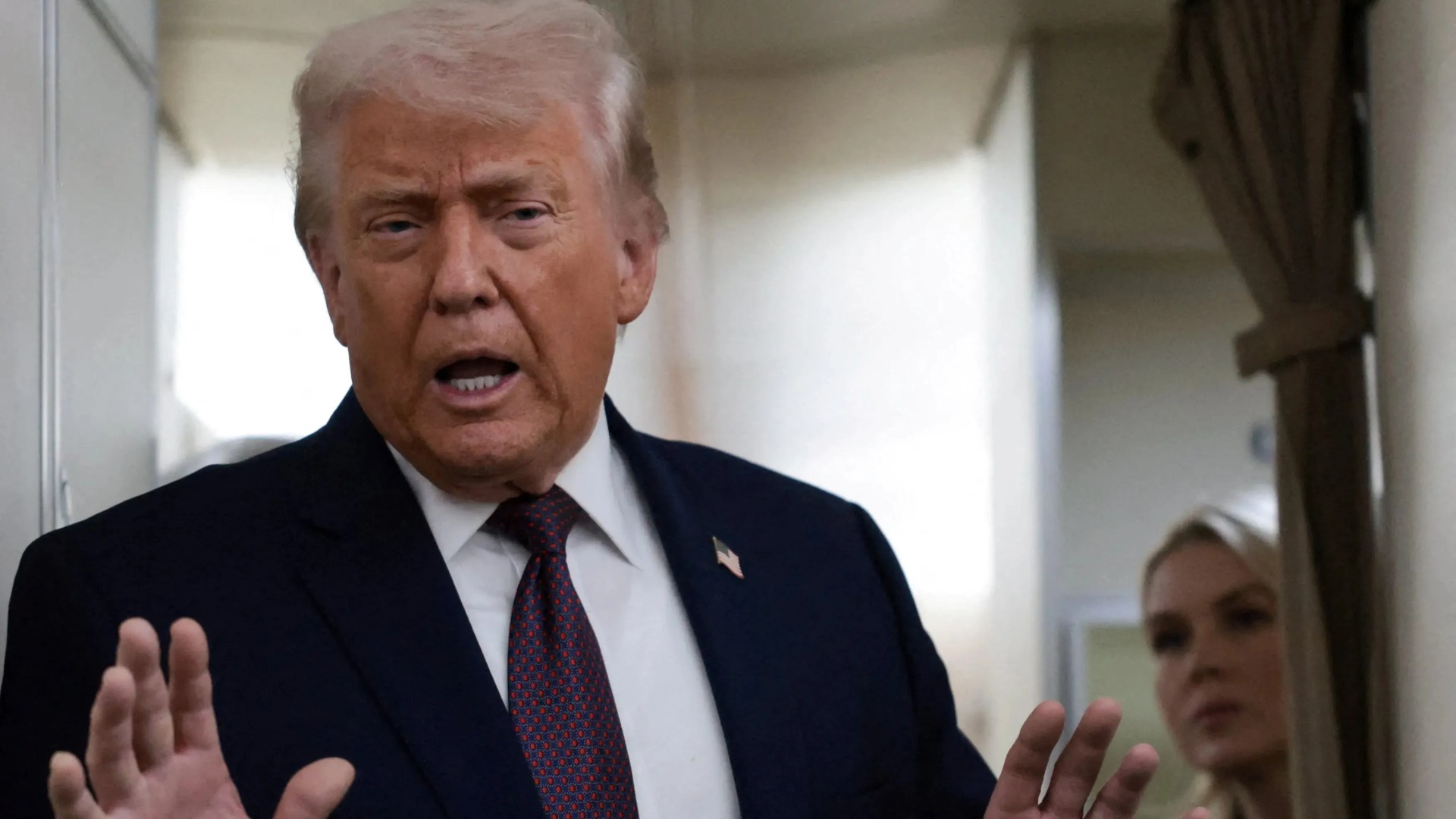
The United States has announced a significant reduction in support for its allies, including the United Kingdom, as part of its newly released National Defence Strategy. This 34-page document emphasizes an “America First” approach, urging nations in Europe and Asia to take greater responsibility for their own defense. The strategy criticizes long-standing partners for their reliance on American military support, a situation that has persisted for decades.
The document opens with a stark assertion: “For too long, the US government neglected – even rejected – putting Americans and their concrete interests first.” This statement sets the tone for a strategy that reflects a shift in Washington’s foreign policy priorities. The new approach not only calls for increased self-reliance among allies but also adjusts the perception of threats posed by global powers, particularly China.
While the strategy maintains that the US does not aim to dominate China, it positions Beijing as a stabilizing force in the Indo-Pacific region that must be deterred from expanding its influence over the US and its allies. The document clarifies that the goal is “not to dominate China, nor is it to strangle or humiliate them,” suggesting a more measured approach to US-China relations.
In a move reminiscent of former President Donald Trump’s earlier foreign policy, the strategy emphasizes a renewed focus on the Western Hemisphere over global commitments. It endorses what some are calling the “Donroe Doctrine,” which prioritizes South America over Asia in defense strategy. The plan includes directives for the Department of War to “provide credible options to guarantee US military and commercial access to key terrain,” highlighting locations such as Greenland and the Panama Canal.
The document also calls for cooperation with partners like Canada, but emphasizes that these nations must “do their part to defend our shared interests.” This assertion comes following recent tensions between Trump and Canadian Prime Minister Mark Carney during the World Economic Forum in Davos. Carney expressed offense at Trump’s claim that “Canada lives because of the United States.”
To reinforce its commitment to an “America First” philosophy, the strategy re-evaluates traditional alliances, with a focus on prioritizing US interests. The last National Defence Strategy was released in 2022 under President Joe Biden, which identified China as America’s primary challenge.
In recent remarks, Trump indicated that he would pursue “exactly what we want” regarding Greenland, following a NATO deal that he claims grants the US “total access” to the mineral-rich territory. This assertion comes amid discussions to enhance US military presence in Greenland, a strategy that has been in place since the Cold War but has seen a significant reduction in recent years.
Trump stated that he had a “very productive” meeting with NATO Secretary-General Mark Rutte, where they reportedly reached a preliminary agreement regarding Greenland. The US is expected to engage in further discussions with Denmark and Greenland concerning updates to a 1951 agreement governing military access to the Arctic island. Reports indicate that the new strategy aims to prohibit Chinese and Russian investments in Greenland.
Rutte confirmed that it is now up to senior commanders of the defense pact to work out the specifics of additional security requirements, expressing confidence that they could address these matters swiftly, potentially as early as 2026.
During his statements in Davos, Trump cast doubt on whether NATO’s 32 member countries would support the US in a crisis, saying, “I know them all very well. I’m not sure that they’d be there. I know we’d be there for them.” This comment overlooks the sacrifices made by NATO allies, particularly during the Afghanistan conflict post-September 11, where many allied troops, including 457 British soldiers, lost their lives alongside US forces.
Despite his earlier skepticism, Trump later praised British troops, referring to them as “among the greatest of all warriors,” indicating a complex relationship with international allies as his administration navigates this new defense strategy.