Young entrepreneurs are making significant strides in the artificial intelligence sector, with many starting their own businesses straight out of university. Among them is Arnau Ayerbe, who, before graduating from the University of Bath in 2024, secured a role as an AI engineer at JP Morgan. Feeling uninspired by the corporate environment, Ayerbe, along with his childhood friend Pablo Jiménez de Parga Ramos and university peer Bergen Merey, founded Throxy in London in 2023. Their company specializes in creating AI agents for sales teams and has successfully raised nearly £5 million over two funding rounds, achieving annual sales of almost £1.2 million.
The trend of young entrepreneurship is gaining momentum, particularly among those born between 1997 and 2012, known as Gen Z. According to data from Enterprise Nation, 62% of this demographic expresses a desire to start their own business. This shift is also reflected in the British Business Bank’s Start Up Loans programme, which indicates that the number of loans awarded to Gen Z founders has doubled in the past five years.
Long Hours and Hard Work Define Young Ventures
For the founders of Throxy, the journey has been both rewarding and demanding. Ramos highlights the intense work culture, stating that they operate on a “9-9-6” schedule, working from 9 am to 9 pm, six days a week. Ayerbe candidly notes, “If I had known the amount of effort and work I needed to do to take the company to this point, I would probably have never started it.”
One of their significant advantages is their comfort with AI technology. Ayerbe recalls working with early models of ChatGPT during research projects before their public release. He describes the experience as “magic,” believing that AI has the potential to transform the way humans work for the better. The founders of Throxy aspire to join the ranks of companies valued at over $1 billion (£740 million), commonly referred to as unicorns. Research by investment network Antler suggests that the average age of entrepreneurs who create AI unicorns has decreased from 40 in 2020 to 29 in 2024.
Overcoming Age Bias in Business
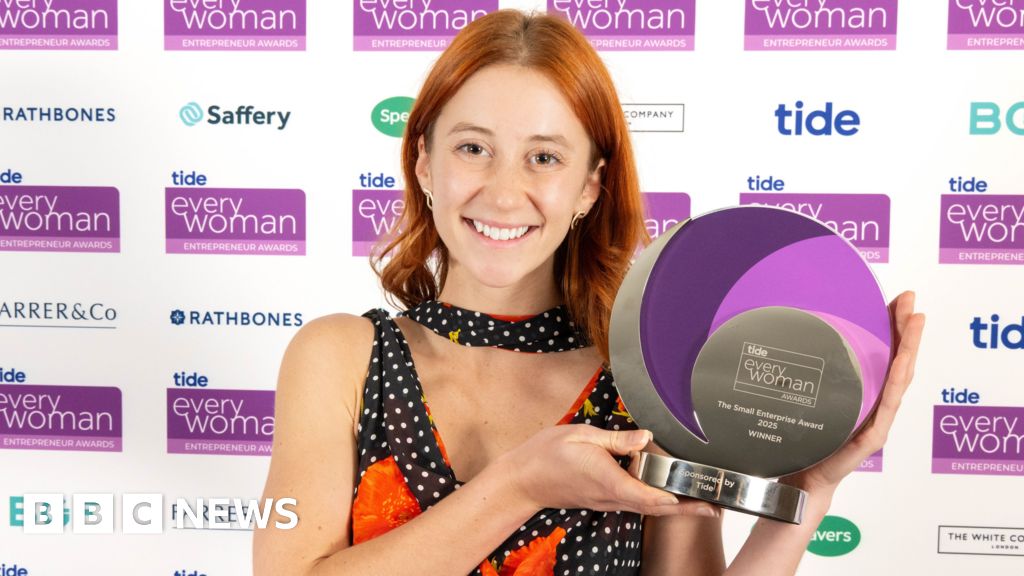
Despite their achievements, young entrepreneurs often face challenges related to age bias in the corporate world. Rosie Skuse, a business owner in her early 20s, frequently encountered misconceptions about her role. Often mistaken for an assistant, Skuse would need to clarify that she was, in fact, the boss. “Some people wouldn’t even shake my hand. It was really tough,” she recalls. Now 29, Skuse is the founder and CEO of Molto Music Group, a music and entertainment agency serving prestigious clients such as The Dorchester and Soho House. Her company, which launched in 2019, has navigated challenges including the Covid-19 pandemic and achieved a turnover of £1.6 million by 2025.
Skuse emphasizes the importance of adaptability in her journey. “I have no business education. It’s all been trial by fire and learning as we go,” she states. Despite her youth, she believes that leading a young company can offer a fresh perspective that distinguishes her from competitors.
The experiences of seasoned entrepreneurs provide valuable insights for younger counterparts. Lee Broders, 53, who founded his first business at 26 after a decade in the military, warns that rapid growth can obscure fragile foundations. “Speed can often hide fragile foundations. Growing something quickly doesn’t always equal sustainability or robustness,” he advises.
Meanwhile, Sarah Skelton, co-founder and managing director of Flourish, a recruitment firm, notes that younger founders might lack the leadership skills typically developed in traditional work environments. “You have to have lived experiences to be really strong at that leadership piece,” she explains. Skelton points out that building a robust network is crucial for business growth, something that may be challenging for younger entrepreneurs just starting out.
As the landscape for young entrepreneurs continues to evolve, the combination of ambition, technological proficiency, and determination appears to position them well for success in an increasingly competitive market.